

Easy-to-digest carbohydrates are low in fiber and fat, which helps your body absorb them quickly. You can eat them to fuel intense workouts or when you have an upset stomach. For steady, longer-lasting energy, choose options with some fiber or pair refined carbs with protein or fat.
1. Bananas
Mizina / Getty Images
Bananas have natural starches that turn into simple sugars as they ripen. Your body breaks these down for fuel quickly. Choose bananas when you want:
Ripe bananas are high in FODMAPs and may not be suitable for those with irritable bowel syndrome (IBS).
What are FODMAPs?
FODMAPs are certain carbohydrates your body may struggle to digest. They can ferment in your intestines (gut) and cause abdominal (stomach) bloating, cramps, or an upset stomach, especially if you have IBS.
2. White Rice
SimpleImages / Getty Images
White rice lacks the fiber-rich outer layer found in brown rice, making it easier to digest. Your body also quickly converts it into sugar, which your muscles and brain can use for energy. It works well when you need:
- A low FODMAP, low-fiber option
- A gluten-free option
- Bland foods due to nausea or morning sickness
- Energy for workouts
3. Cream of Rice
Arx0nt / Getty Images
Cream of rice is a refined cereal made from finely ground or milled rice. While it lacks the nutrients you get in oatmeal, it contains less fiber. This makes it easy to digest and more gentle on your stomach.
Cream of rice is a good option for:
- Bland diets
- Gluten-free diets
- Low-fiber diets
- Those with nausea or diarrhea
4. White Bread or Toast
bhofack2 / Getty Images
Your body digests white bread faster than whole-grain bread, giving you quick energy. Toasted bread is good for a bland diet because the heat changes the starch structure, making it easier on your stomach. It is a good choice for:
- A low FODMAP or low-fiber diet
- Before or after exercise
- Those recovering from illness or surgery
- When you have mild nausea or morning sickness
Allergy Note
Choose gluten-free bread if you have gluten intolerance or celiac disease.
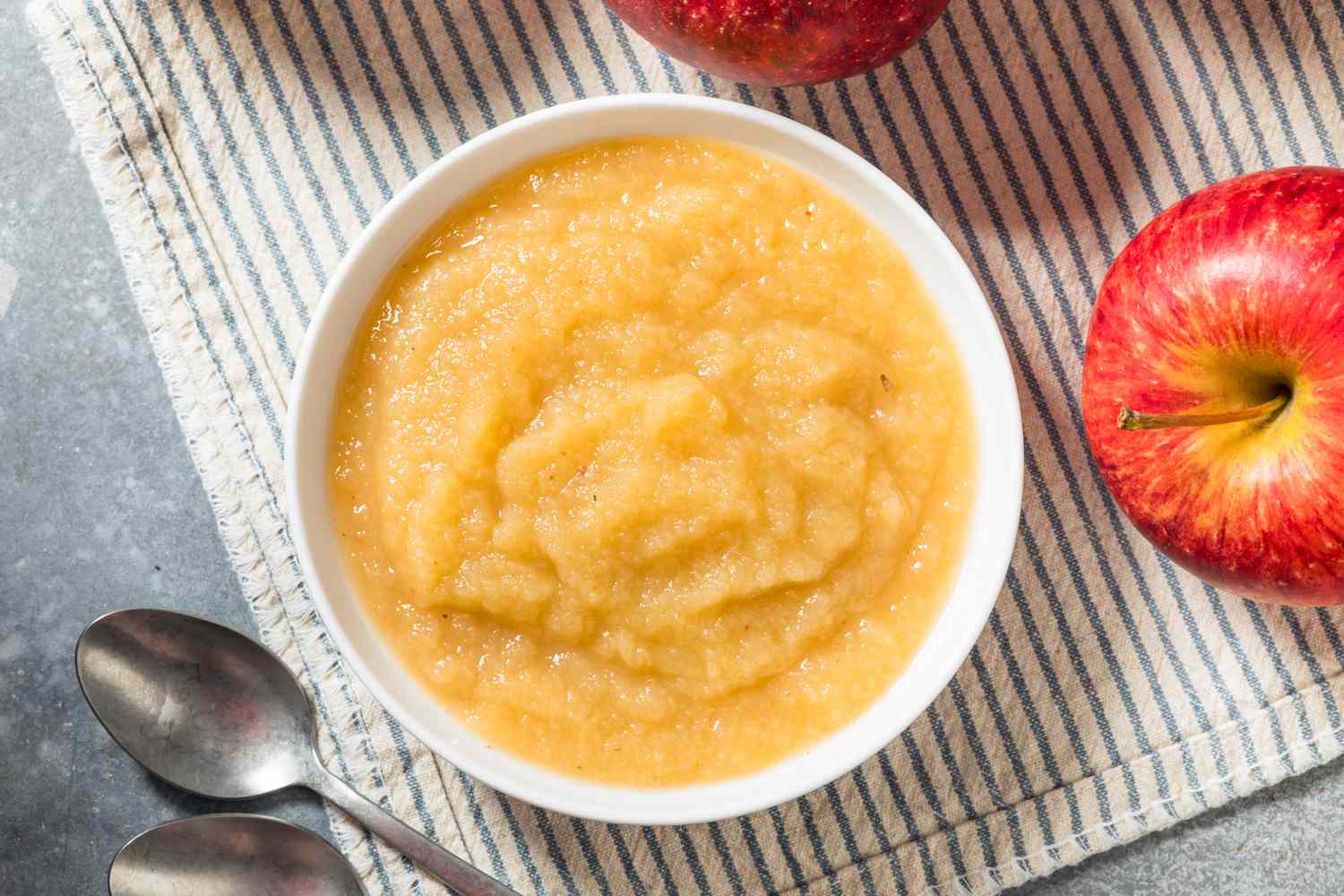
5. Applesauce
Brent Hofacker / 500px / Getty Images
Applesauce has less fiber than raw apples because cooking breaks down the fiber structure. This makes it easier to digest and gives you quick energy. You may find applesauce helpful when you need:
- A bland food due to nausea, diarrhea, or inflammatory bowel disease (IBD) flares
- A gluten-free or low-FODMAP option
- A soft, easy-to-chew food
- Fuel before or after endurance activities
6. Potatoes (Peeled)
Arx0nt / Getty Images
Potatoes provide an easy-to-digest starch. This is especially true when you boil or mash them. You can remove the skin to lower the insoluble fiber, which reduces digestive strain and makes it a low-fiber option.
They are a good choice when you need:
- A bland, filling food due to illness, morning sickness, or nausea
- A gluten-free option
- A low FODMAP option (when you don’t eat the skin)
- Before or after exercise, especially during higher training volumes, endurance cycling, or running in marathons
7. Saltine Crackers
Tom Windeknecht / Getty Images
Saltine crackers are easy to digest because they contain little fiber. Most also contain salt, which is helpful if you need to replace sodium after sweating or illness. They are a classic choice when you need a light, steady energy, but don’t have much appetite due to:
- Illness, nausea, or surgical recovery
- Morning sickness or pregnancy-related nausea
- Travel or motion-related upset stomach
Saltine crackers are also a low FODMAP option. If you have celiac disease or a gluten intolerance, choose gluten-free table crackers.
8. Pretzels
Olga Yastremska / Getty Images
Pretzels give you quick energy because your body processes their refined flour fast. Pretzels work well when you need:
- A convenient, on-the-go snack for travel or running errands
- A source of energy during or after exercise
- A bland, easy-to-digest food when recovering from nausea or vomiting
Be cautious if you are watching your sodium (salt) intake, as the classic hard, salted pretzels have 744 milligrams of sodium per 10 pretzels.
9. Honey
SimpleImages / Getty Images
Honey gives you fast energy because it contains simple sugars your body absorbs quickly. Honey is naturally gluten-free. Some studies show that consuming honey before intense exercise can improve muscle recovery and reduce soreness.
You may find it helpful during:
- Endurance events
- Episodes of low blood sugar
- Strength training
Honey is also convenient. You can pack honey sticks, packets, or suckers and mix honey into water, tea, or smoothies. You can also drizzle it on a banana or cream of rice for an extra boost of quick fuel.
If you have diabetes, use honey sparingly, pair it with protein or fat, and monitor your blood sugar. Most people who are on a low FODMAP diet avoid honey.
10. Dates
Nungning20 / Getty Images
Dates provide carbohydrates and natural sugars for quick energy. They also contain potassium and iron, which help your muscles work better and aid recovery after a workout. Plus, they have natural enzymes that help your stomach break down food and absorb nutrients more easily.
People choose dates as:
- A natural alternative to energy gels
- A quick way to manage low blood sugar
- Fuel for endurance events, like cycling, hiking, marathons, or trail running
However, dates are not a good option for a low FODMAP diet. Limit portions if you are watching your sugar intake or have diabetes, as one date has 16 grams of sugar.
When to Choose Easy-to-Digest Carbs
Easy-to-digest carbs are short-term, immediate energy sources. They are useful as:
- Bland options during illness or nausea
- Fast relief for low blood sugar
- Performance fuel for athletes
However, they should not be the foundation of your diet because they break down quickly and cause your blood sugar to rise fast and drop soon after.
For everyday meals and steady energy, aim for a diverse diet that includes:
:max_bytes(150000):strip_icc()/ProfilePictureVerywell-382fc2934d094ccca87fb8df24aff298.jpg)