

:max_bytes(150000):strip_icc():format(jpeg)/VWH-GettyImages-1354575555-f1af2ba769244df5844a7583e604d3b2.jpg)
Magnesium and potassium are essential minerals that play numerous vital roles in your body and are found in a variety of foods. Not getting enough magnesium or potassium can cause nutrient deficiencies, which may lead to various health issues.
1. Leafy Greens
Crispin la valiente / Getty Images
Leafy green vegetables, like spinach, kale, and romaine lettuce, promote overall health due to their rich nutrient profiles, which include magnesium and potassium.
Two cups (60 grams [g]) of raw spinach contain the following:
- Magnesium: 47 milligrams (mg) / 11% of your Daily Value (DV)
- Potassium: 334 mg / 7% DV
According to one review, eating leafy green vegetables supports metabolism and helps protect against various health conditions.
2. Edamame
Waqar Hussain / Getty Images
Magnesium and potassium in edamame may reduce the risk of heart disease and stroke. In one study, individuals who took magnesium and potassium supplements experienced a reduction in systolic blood pressure.
One half cup (78 g) of shelled edamame contains:
- Magnesium: 50 mg / 12% DV
- Potassium: 338 mg / 7% DV
3. Bananas
Kateryna Bibro / Getty Images
Eating bananas regularly may help improve cholesterol levels. Along with other nutrients present in bananas, magnesium and potassium may reduce all-cause mortality in adults with high cholesterol and dyslipidemia.
One medium banana (118 g) contains:
- Magnesium: 32 mg / 10% DV
- Potassium: 422 mg / 9% DV
4. Raisins
Thanasis / Getty Images
Raisins are a quick and easy snack that may support bone health.
One small box (43 g) of raisins contains:
- Magnesium: 16 mg / 4% DV
- Potassium: 320 mg / 7% DV
Magnesium and potassium work synergistically in various ways. These minerals work together to aid the synthesis of vitamin D in your body. Evidence suggests that adequate intake of magnesium and potassium can improve bone mineral density and reduce the risk of fractures.
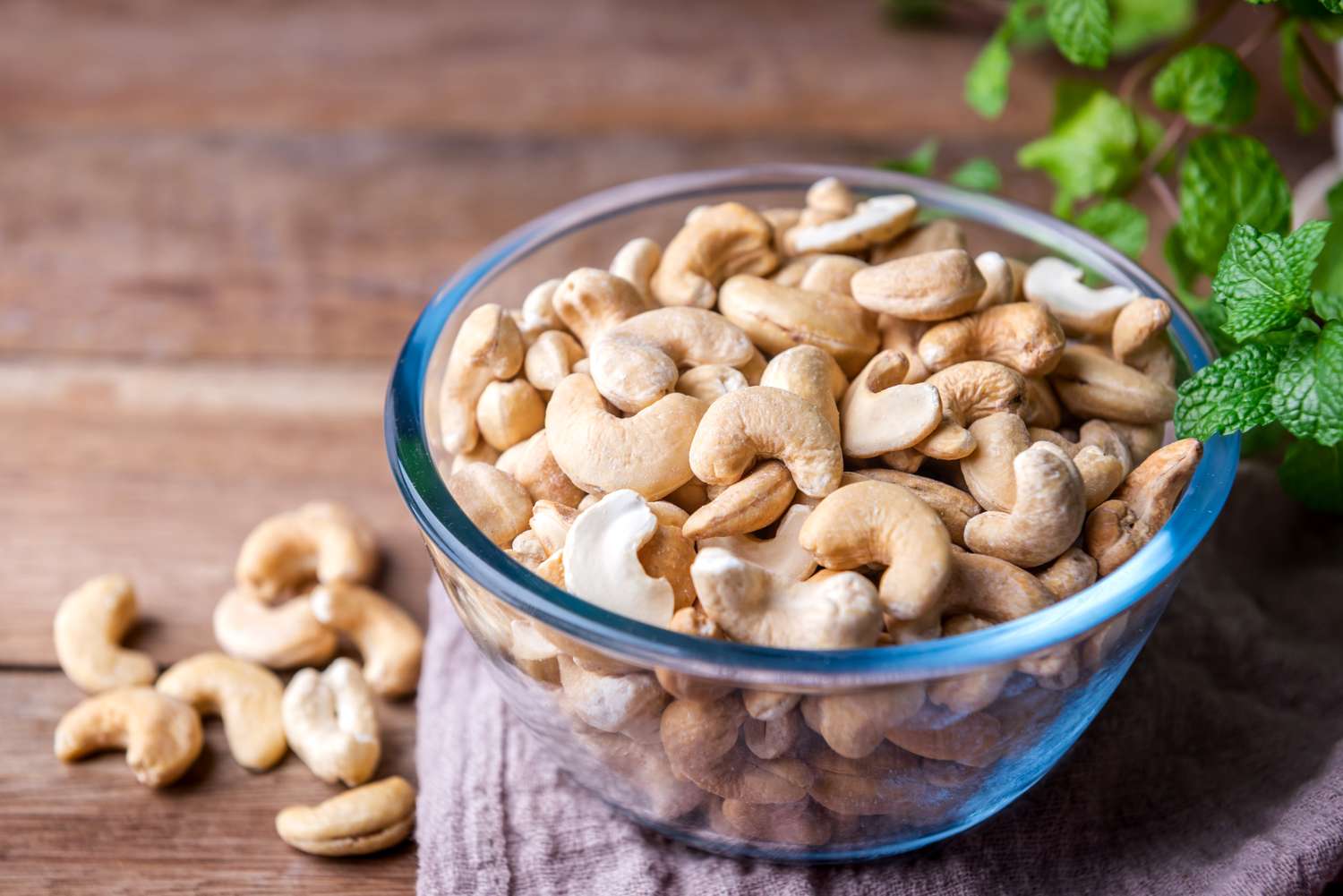
5. Cashews
Huizeng Hu
Cashews contain both magnesium and potassium, but are exceptionally high in magnesium.
A one-ounce (28 g) serving of cashews contains:
- Magnesium: 83 mg / 20% DV
- Potassium: 187 mg / 4% DV
Consuming the recommended amounts of magnesium may help prevent a potassium deficiency, as the two minerals help maintain each other’s balance. Low magnesium and potassium levels may cause heart arrhythmias and other issues.
6. Potatoes
EasyBuy4u / Getty Images
Research shows that people who eat potatoes are more likely to have adequate levels of potassium, magnesium, and other nutrients. Additionally, a high intake of minerals (such as magnesium and potassium) is associated with improved weight management in adults with type 2 diabetes.
One small potato (~170 g) with skin contains:
- Magnesium: 39 mg / 9% DV
- Potassium: 722 mg / 15% DV
7. Salmon
WS Studio / Getty Images
Salmon is thought to be beneficial for brain health, heart health, inflammation, and more.
Three ounces (85 g) of salmon contains:
- Magnesium: 23 mg / 5% DV
- Potassium: 309 mg / 7% DV
Magnesium and potassium in salmon may help regulate the levels of cortisol and melatonin, two hormones crucial for sleep. Vitamin D and omega-3 fatty acids found in salmon may also aid sleep due to their impact on the sleep-wake cycle.
8. Oats
Arx0nt / Getty Images
Consuming oats and other whole grains is associated with higher intake of vitamins and minerals, including magnesium and potassium.
One half cup (40 g) of rolled oats contains:
- Magnesium: 50 mg / 12% DV
- Potassium: 140 mg / 3% DV
Magnesium and potassium are essential to muscle contractions. Magnesium helps maintain the levels of potassium and other electrolytes within skeletal muscle cells, supporting proper function.
9. Kidney Beans
Dmitrii Ivanov / Getty Images
Kidney beans may help maintain a normal heart rhythm, thanks in part to their high magnesium and potassium content.
One study found that kidney beans may improve blood flow and blood pressure, which promotes a normal heartbeat. Magnesium and potassium found in kidney beans help regulate the electric flow of ions in the heart to maintain a normal rhythm.
One half cup (128 g) of canned kidney beans contains:
- Magnesium: 35 mg / 8% DV
- Potassium: 304 mg / 6% DV
10. Cow’s Milk
SmileStudioAP / Getty Images
Cow’s milk is a good source of magnesium, potassium, and other essential electrolytes, including calcium and sodium.
One cup (8 oz) of cow’s milk contains:
- Magnesium: 27 mg / 6% DV
- Potassium: 366 mg / 8% DV
Research indicates that consuming cow’s milk after exercise aids in replenishing fluids and electrolytes, resulting in a more balanced overall electrolyte status. This may help you adapt to long-term exercise training and aid post-exercise recovery.