

:max_bytes(150000):strip_icc():format(jpeg)/VWH-GettyImages-1166846817-b7ed47dc11464f47be829ed3ec6127ed.jpg)
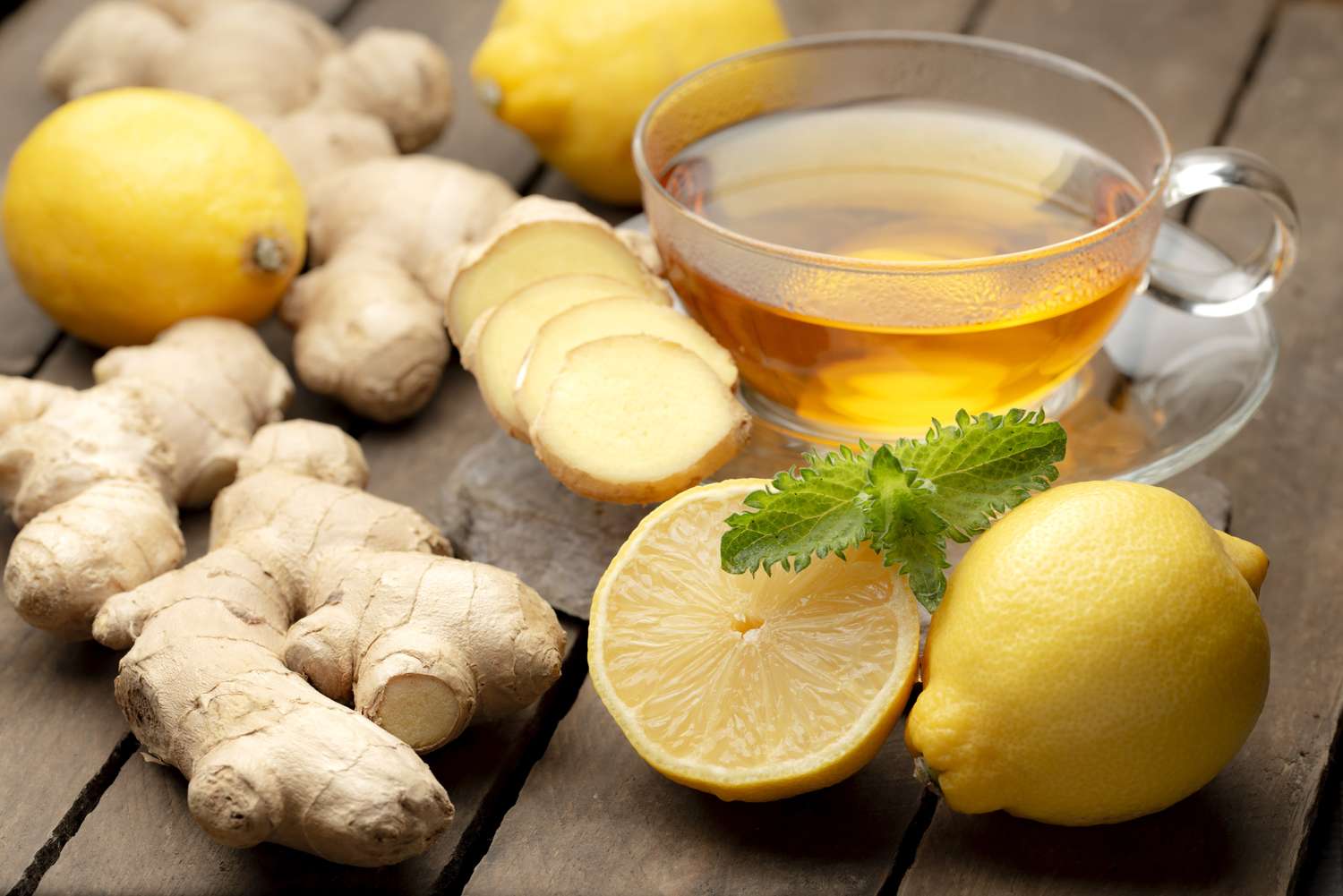
Ginger is often the go-to ingredient for a natural approach to alleviating digestive issues, such as nausea or an upset stomach. While it’s undoubtedly a good option, other foods support digestion more effectively than ginger.
1. Kefir
alpaksoy / Getty Images
Kefir is a fermented milk drink rich in diverse probiotic strains that help maintain smooth digestion. It can be made either with dairy milk or non-dairy alternatives, such as coconut, oat, or almond milk. Kefir has a slightly tart flavor that’s more pronounced than yogurt.
Research suggests that drinking kefir can aid digestion, reduce gas, and support a healthy gut microbiome. This is because microbes from the fermentation process help break down food more efficiently and produce short-chain fatty acids that protect the gut lining.
Try this: Drink kefir as a morning drink with breakfast or add it to a smoothie to get a daily dose of friendly gut microbes.
2. Yogurt with Live Active Cultures
Westend61 / Getty Images
Yogurt is a fermented food that helps restore beneficial bacteria in the digestive tract, which may help ease issues like constipation and diarrhea.
Whether you prefer dairy or non-dairy yogurt, you can check to make sure it contains live active cultures by reading the product label. Just note that yogurt can be high in added sugar, depending on the brand, flavor, and ingredients used.
Yogurt is one of the easiest gut-friendly foods to incorporate into your diet on a regular basis.
Try this: Enjoy yogurt on its own, add it to smoothies, or make a meal out of it by topping it with granola, seeds, and berries.
3. Sauerkraut and Other Fermented Veggies
ollo / Getty Images
Sauerkraut is a fermented cabbage product that has been shown to support gut health by producing beneficial short-chain fatty acids. You might also enjoy other fermented vegetables, such as kimchi, carrots, or even green beans, all of which provide probiotics and fiber for a healthy digestive tract.
Try this: Add a spoonful of sauerkraut to sandwiches, burgers, or wraps, serve it atop soups and salads, or eat it alongside stir-fries.
4. Peppermint
Nemer-T / Getty Images
Peppermint has long been used to relieve stomach discomfort, such as gas, bloating, and cramping, thanks to its natural menthol compounds that help relax the muscles of the gastrointestinal tract. That’s why peppermint and its essential oils are commonly found as an ingredient in products designed to support digestive health.
Try this: Drink peppermint tea to reap the digestive benefits of peppermint.
5. Chia Seeds
Emilija Manevska / Getty Images
Chia seeds may be small, but they’re packed with soluble fiber, which absorbs water as it moves through your digestive tract, helping to promote regular bowel movements and remove waste from the body. In fact, chia seeds absorb up to 10 to 12 times their weight in water.
Furthermore, some people find chia seeds to be excellent travel companions, as they help prevent constipation. You can mix a small amount with water to make chia seed water.
Try this: Sprinkle some chia seeds onto salads, toss them into smoothies, or make chia pudding by mixing them with non-dairy milk.
6. Kiwi
Nungning20 / Getty Images
Kiwi has the unique benefit of containing actinidin, an enzyme that helps break down protein. Studies show that eating two kiwifruits per day can be effective in helping to ease constipation and promote regular bowel movements.
Try this: Enjoy kiwis on their own or slice them for salads, smoothies, or yogurt parfaits.
7. Papaya
Gingagi / Getty Images
Papaya contains a digestive enzyme called papain, which has been studied for its ability to aid in protein breakdown and support digestion. It may even help in some mild instances of heartburn or indigestion.
Try this: Papaya is delicious fresh or frozen, as a side to any meal or snack, added to smoothies, or served with oatmeal, yogurt, or cottage cheese.
8. Fennel
inewsistock / Getty Images
Fennel may not be a frequently talked-about vegetable, but it’s pretty versatile in the kitchen and contains compounds that may help relax the digestive tract. Fennel seeds and bulbs also have mild diuretic effects, which means consuming them may help your body manage extra water retention.
Try this: Add fennel seeds when cooking savory dishes, stews, and soups, or make a hot fennel tea.
9. Pineapple
bhofack2 / Getty Images
Pineapple contains bromelain, a digestive enzyme that helps break down proteins and may help reduce inflammation in the gut.
Try this: To reap its digestive benefits, eat pineapple alongside meals or add it to smoothies or stir-fries.
10. Oats
NataBene / Getty Images
Oats are a gentle, gluten-free grain that contains beta-glucans, a type of soluble fiber known for its digestive, anti-inflammatory, and cholesterol-lowering benefits. Many people find that oats are easier on the stomach in general, compared to other whole grains.
Try this: Make a warm oatmeal breakfast or overnight oats, add oats to smoothies, or use them as a base ingredient for homemade no-bake energy balls, along with things like peanut butter and raisins.