

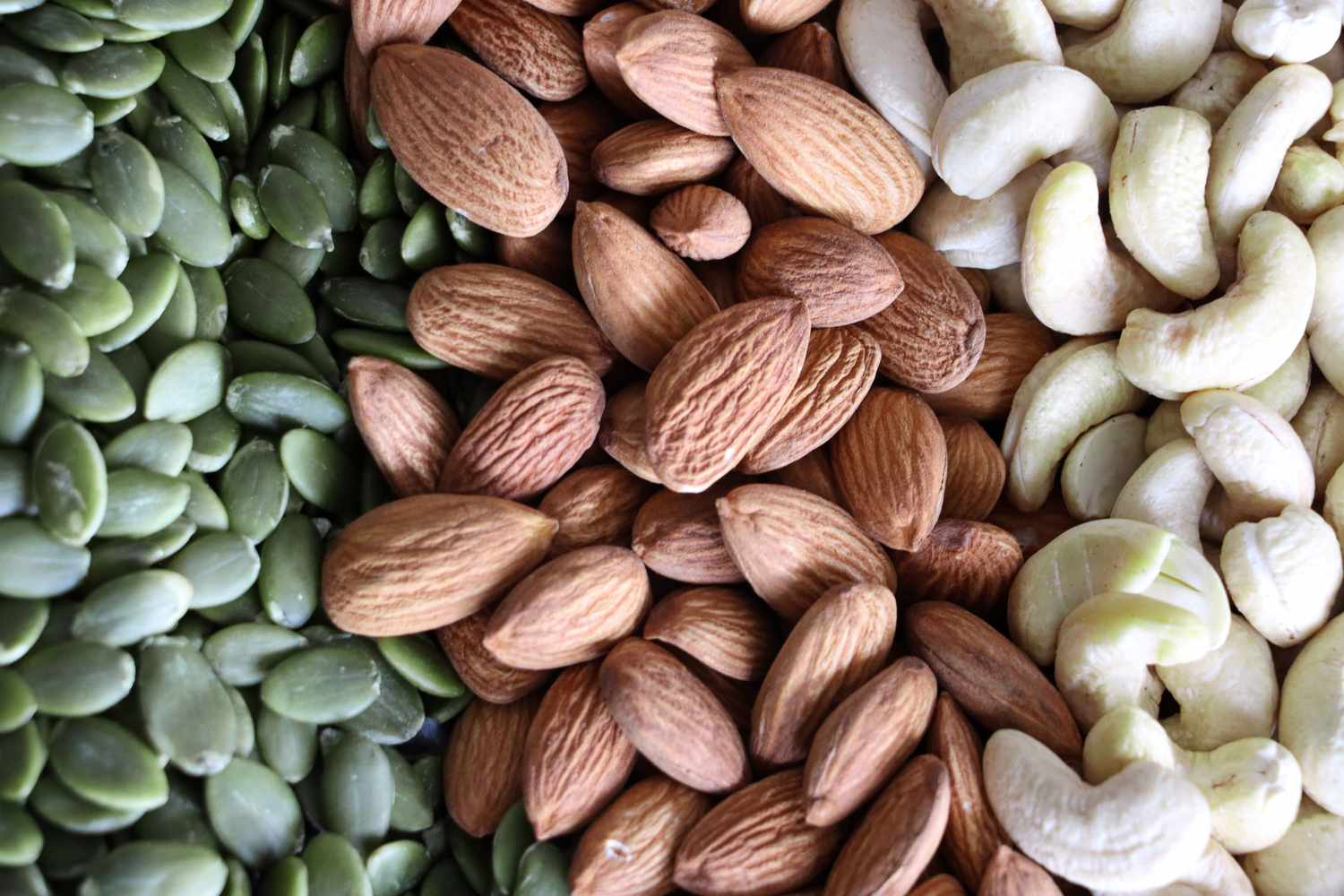
Zinc is an essential mineral that the body does not produce, so it must be obtained from one’s diet. Oysters and beef top the list of zinc-rich foods, followed by other seafoods, pork, poultry, cheddar cheese, and plant-based foods, like whole-grain fortified cereals and certain nuts and seeds.
1. Oysters
Mario Elias Munoz Valencia / Getty Images
Oysters are a “superfood” when it comes to zinc content, containing more zinc than any other food. A 3-ounce serving of raw Eastern oysters—approximately 6 medium-sized oysters—provides 33 milligrams (mg) of zinc. This amount is nearly 300% of the Daily Value (DV) for adult males and 400% of the DV for nonpregnant females.
What Is the Daily Value (DV)?
The U.S. Food and Drug Administration (FDA) developed Daily Values (DVs) as a reference for comparing the nutrient content of a serving of food or supplement dose with the recommended daily intake for a 2,000-calorie diet.
The recommended daily zinc requirement for adults is 8 milligrams (mg) for nonpregnant females and 11 mg for males.
2. Beef
Steve Lalich / Getty Images
Beef is packed with zinc, although not to the degree that oysters are.
As examples:
- Three ounces of roasted bottom sirloin, around the size of the palm of your hand, provides nearly 4 mg of zinc (36% to 50% DV).
- Three ounces of 97% lean pan-browned ground beef provides nearly 6 mg of zinc (54% to 75% DV).
3. Crab and Lobster
Atlantide Phototravel / Getty Images
Crab and lobster are great seafood sources of zinc:
- Three ounces of cooked blue crab meat—around the size of a deck of cards—contains a little over 3 mg of zinc (27% to 37% DV).
- One cup of cooked lobster provides almost 6 mg of zinc (54% to 75% DV).
Shrimp (another crustacean) and sardines (an oily fish) also contain zinc.
4. Pork and Poultry
Monica Todica / 500px / Getty Images
Animal proteins like pork, chicken, and turkey, are also good sources of zinc:
- A 3-oz serving of a bone-in, broiled center loin pork chop provides 1.9 mg of zinc (17% to 23% DV).
- Three ounces of roasted, skinless turkey breast contain 1.5 mg of zinc (nearly 17% to 19% DV).
- A rotisserie chicken thigh with the skin provides 1.4 mg of zinc (13% to 18% DV).
5. Cheddar Cheese
HandmadePictures / Getty Images
A slice and a half of cheddar cheese provides 1.5 mg of zinc, equivalent to a DV of around 14% to 19% for adult males and nonpregnant females, respectively.
Other dairy products that contain zinc, albeit to a lesser degree, are milk and yogurt.
6. Zinc-Fortified Whole-Grain Cereals
PamWalker68 / Getty Images
Numerous whole-grain breakfast cereals are fortified with zinc. For example, 1 cup of General Mills Total Raisin Bran contains 15 mg of zinc, exceeding the DV.
The problem is that while fortified cereals may contain sufficient zinc to meet the recommended daily requirement, some experts believe that less than 10% of the cereal’s zinc is actually absorbed in the gut.
High levels of phytate, a naturally occurring compound in whole grains, are to blame for the impaired gut absorption of zinc.
What Are Phytates?
Phytates bind to zinc, as well as to other important nutrients, namely iron and calcium, potentially blocking their absorption from the gut into the bloodstream.
7. Pumpkin Seeds
Liudmila Chernetska / Getty Images
One ounce of pumpkin seeds—approximately 142 seeds—contains about 2.2 mg of zinc, 18% to 25% DV).
Other seeds that contain zinc include:
Keep in mind that, like whole-grain cereals, seeds and other plant-based foods, such as nuts and legumes also contain phytates. As such, the zinc absorption is likely not as robust as it is with the above-mentioned animal-based sources of zinc.
8. Cashews
HUIZENG HU / Getty Images
One cup of dry-roasted cashews provides about 7.5 mg of zinc (68% to 93% DV).
Other nuts rich in zinc include:
9. Lentils
Taalulla / Getty Images
One half of a cup of cooked lentils provides 2.5 mg of zinc (23% to 31% DV).
Other legumes containing zinc include:
10. Eggs
Grace Cary / Getty Images
Eggs are a decent source of zinc; one large hard-boiled egg contains 0.5 mg (4% to 6% DV). The zinc content is most concentrated in the yolk of the egg.
How Do I Know If I Need a Zinc Supplement?
Most people, even those on a vegetarian diet, can get an adequate amount of zinc from a well-balanced diet. If a zinc deficiency is present, diagnosed through a blood test, a supplement may be necessary.
While zinc deficiency is rare in the United States, factors that increase the risk for it include:
:max_bytes(150000):strip_icc()/Colleen-Doherty-MD-660-9d8d5f15b5a8408d91816814d441735b.jpg)