

:max_bytes(150000):strip_icc():format(jpeg)/VWH-GettyImages-959244374-fe9fd89ec0a34de5a9d2a0a6fb08f0d0.jpg)
Kale is a good source of folate (vitamin B9), but other foods contain as much or even more of the nutrient. Most people need about 400 micrograms (mcg) of folate daily to make healthy cells and genetic material, or 600 mcg if pregnant, to prevent malformations of the brain and spine (neural tube defects) in the fetus.
1. Chicken Liver
gbh007 / Getty Images
Folate: 491 mcg in 3 ounces (oz)
Chicken liver is hard to beat as a source of folate. Just 3 oz gives you more than the recommended daily amount for adults, and it’s high in protein, vitamin A, and iron.
Try sautéed liver with shallots, or add it, diced, to a stir fry. Soaking the liver in milk or lemon can mellow the earthy flavor. Avoid overcooking liver, which can toughen the meat.
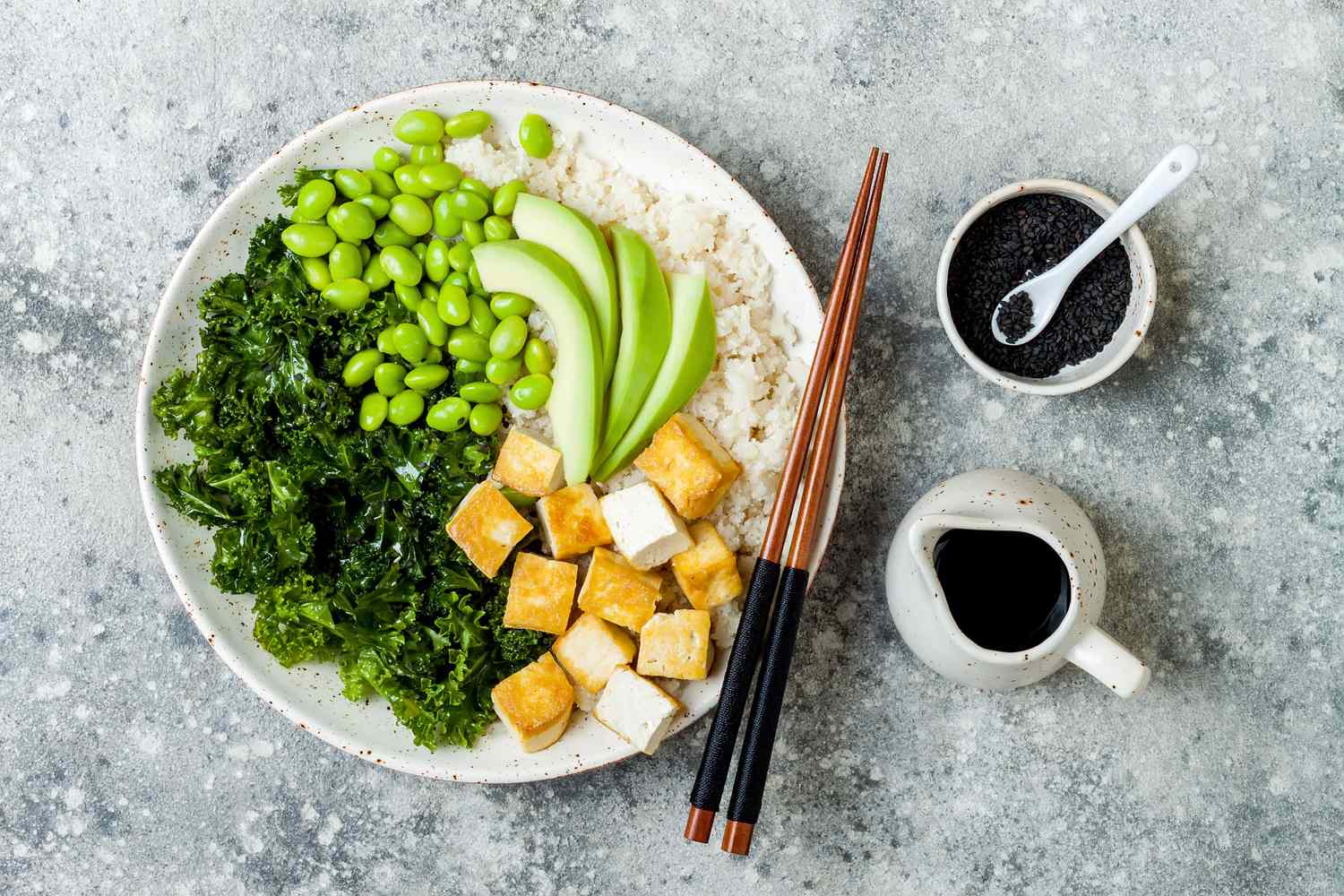
Folate in Kale
Raw kale provides 40 micrograms (mcg) per 2 cups, and cooked kale provides 75.7 mcg per 1 cup,
2. Edamame
bhofack2 / Getty Images
Folate: 482 mcg in 1 cup, cooked
Edamame (tender young soybeans) is an excellent source of folate. They are not low-calorie, with about 188 calories per cup, but they also provide 18 grams (g) of protein and are high in iron, copper, and magnesium.
Edamame are great as a snack on their own with a touch of sea salt, or you can mash them into a dip with garlic, lemon, and miso or hoisin sauce.
3. Asparagus
Rafinade / Getty Images
Folate: 268 mcg in 1 cup cooked
Asparagus, quick and easy to cook, is high in nutrients, including folate, potassium, vitamin K, and fiber. Asparagus is a delicious addition to a lemony pasta. Or, serve with fish and drizzled with tahini or another sauce.
4. Beef Liver
from_my_point_of_view / Getty Images
Folate: 221 mcg in 3 oz, pan-fried
Beef liver is also a top source of folate. It is also high in vitamin A and copper. Pan-fried liver and onions is a traditional dish that some find a comfort food.
5. Lentils
Rebeca Mello / Getty Images
Folate: 179 mcg in 1/2 cup, cooked
Legumes like lentils are a good plant-based source of protein and provide a lot of folate. Lentils have almost 9 g of protein per 1/2 cup, cooked, and also have plenty of fiber.
Lentil soup is a cozy dish, and you can add turkey sausage and greens like kale or spinach. Top rice with lentils, lean protein, and other veggies to make a one-dish meal rich in folate.
6. Brussels Sprouts
robynmac / Getty Images
Folate: 156 mcg in 1 cup, boiled
Brussels sprouts are high in folate and also provide fiber and vitamins C and K. This versatile vegetable can be boiled, roasted, or chopped (good for stir-fries).
7. Spinach
PoppyB / Getty Images
Folate: 116 mcg in 2 cups raw, chopped, 260 mcg in 1 cup, cooked
Spinach is a good substitute for many kale dishes, and a cup of chopped raw spinach has much more folate than kale. About half of the folate in spinach is lost when you cook it, but because it wilts when heated, it concentrates the nutrients.
You can add spark to a spinach salad with citrus, pistachios, and a ginger-soy dressing, or sauté it with garlic, toasted almonds, and pancetta.
8. Black-eyed Peas (Cowpeas)
FreezeFrameStudio / Getty Images
Folate: 100 mcg in 1 cup, cooked
Black-eyed peas are actually beans. They are rich in folate, protein, fiber, vitamins, and minerals. They are flavorful, with a meaty texture, and can be a good choice for a plant-based meal.
Boil them in broth or water with chopped onions, garlic, and celery. Add bay leaves, oregano, chili pepper to taste, smoked paprika, and leafy greens. If you use meat, try uncured ham or the traditional ham hock.
9. Avocado
Capelle.r / Getty Images
Folate: 59 mcg in 1 cup, sliced
If you’re looking to get folate from fruit, avocado is a strong choice. It’s considered a superfood, containing healthy unsaturated fat, fiber, and many vitamins and minerals.
Beyond guacamole, you can mash avocado as a substitute for mayonnaise in dishes, add small chunks to chicken salad or plant-based dishes like meatless chili, or make a lemony avocado “hummus.”
10. Fortified Cereal
Smitt / Getty Images
Folate: varies, but up to 450 mcg in 1 cup
Food producers fortify some breakfast cereals with folic acid, the synthetic form of folate. Many of the most popular cereals have added folic acid, and some have up to the full recommended daily amount.
Check the label to see how much is included, and check whether the cereal is made from whole grains or if sugar has been added.