

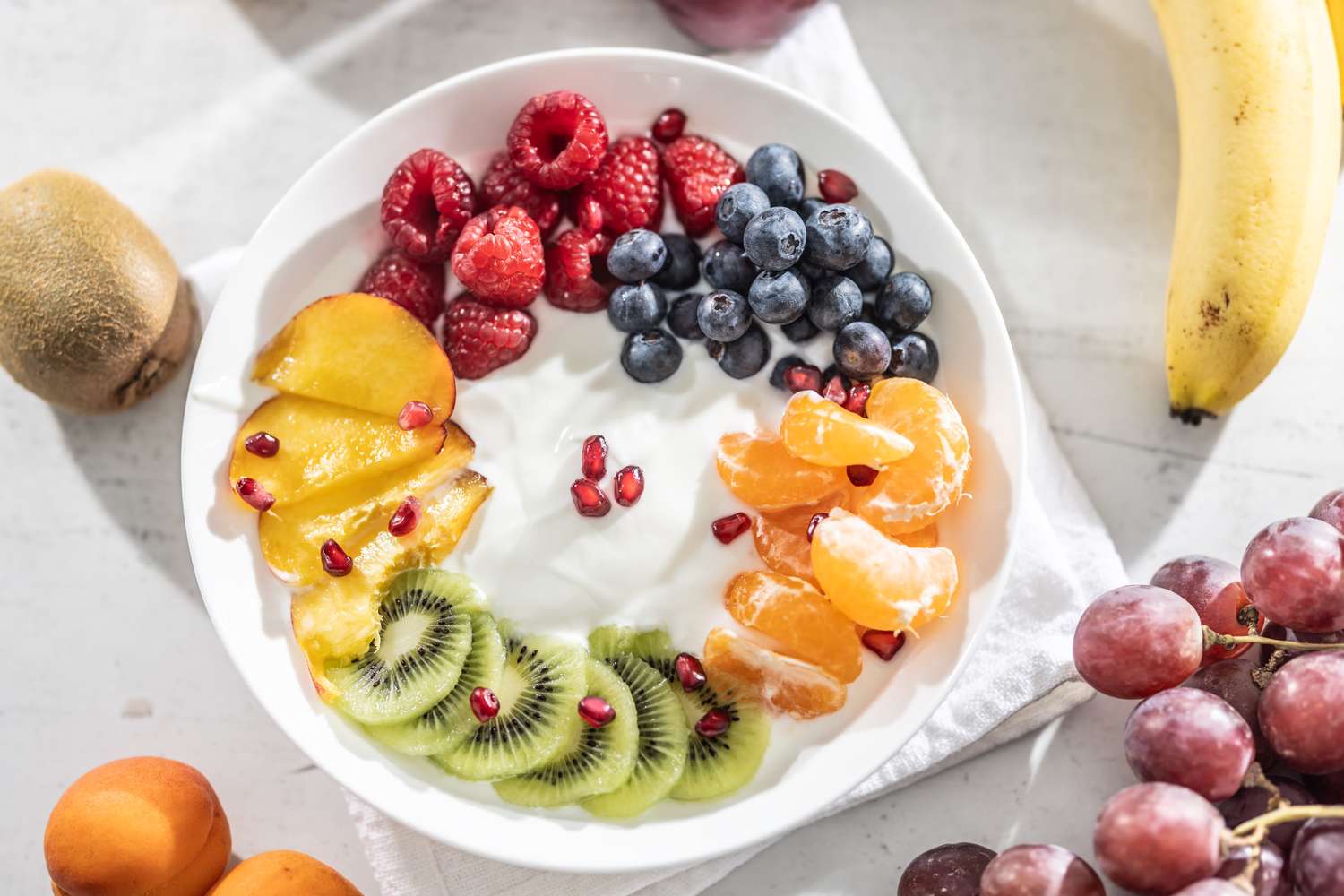
Experts recommend eating a breakfast rich in whole grains, fruits, vegetables, lean proteins, nuts, and healthy fats for heart health. These foods provide fiber, antioxidants, and heart-friendly fats while limiting saturated fat, added sugars, and sodium.
1. Whole Wheat Pancakes With Strawberries
istetiana / Getty Images
- Serving size: 1 small pancake
- Calories: 120
- Fiber: 3 grams
Using whole wheat flour instead of refined white flour adds more fiber, which helps lower cholesterol and supports steady blood sugar. Adding oats to the batter boosts fiber even more. Strawberries on top provide antioxidants and vitamin C, which may help support healthy blood vessels.
2. Oat Avocado-Berry Breakfast Bars
istetiana / Getty Images
- Serving size: 1 bar
- Calories: 152
- Fiber: 4 grams
Oats are a whole grain linked to lower LDL (“bad”) cholesterol. Avocado provides monounsaturated fats that may improve heart health, while berries add antioxidants.
Together, they create a portable bar with fiber, healthy fat, and nutrients that reduce inflammation and support heart health.
3. Egg, Avocado, and Black Bean Breakfast Burrito
istetiana / Getty Images
- Serving size: 1 burrito
- Calories: 289
- Fiber: 10 grams
A burrito combines protein and healthy fats in one meal. Eggs add protein, avocado offers heart-healthy fats, and black beans bring plant protein and fiber, which can help lower cholesterol. Wrapping it in a whole-grain tortilla makes it even more fiber-rich and filling.
4. Black Bean Chilaquiles
Simon McGill / Getty Images
- Serving size: 3/4 cup
- Calories: 235
- Fiber: 4 grams
Using black beans as the protein source makes this classic dish more heart-friendly. Beans provide soluble fiber that binds cholesterol in the digestive tract and helps remove it from the body.
Pairing them with whole-grain tortilla pieces and salsa rich in vegetables creates a satisfying breakfast that supports heart health.
5. Greek Yogurt with Whole-Grain Cereal and Berries
SimpleImages / Getty Images
- Serving size: 1 cup of yogurt with 1/4 cup of cereal and 1/2 cup of berries
- Calories: 287
- Fiber: 4 grams
Greek yogurt is high in protein and can help you feel full longer, while whole-grain cereal boosts fiber intake. Adding berries contributes antioxidants and natural sweetness.
Studies show that diets rich in fermented dairy (like yogurt) are linked with lower blood pressure and improved cholesterol levels.
6. Whole-Grain English Muffin with Peanut Butter and Apple Slices
billberryphotography / Getty Images
- Serving size: 1 English muffin, 2 tablespoons of peanut butter, and half an apple
- Calories: 383
- Fiber: 7 grams
This combination has multiple heart-healthy ingredients. It contains whole grains for fiber, peanut butter for unsaturated fats, and apples for both fiber and antioxidants. Compared to a breakfast pastry or white toast with butter, this option provides steady energy without excess saturated fat.
7. Cinnamon Quinoa with Peaches
Kathrin Ziegler / Getty Images
- Serving size: 1 cup
- Calories: 254
- Fiber: 4 grams
Quinoa is a complete plant protein and fiber-rich whole grain that may benefit heart health. Cinnamon has been linked to better blood sugar control, while peaches add vitamins and antioxidants that support healthy blood vessels.
8. Turkey Bacon and Spinach Quiche
CBAriansah / Getty Images
- Serving size: 2 wedges
- Calories: 136
- Fiber: 3 grams
Using lean turkey instead of bacon or sausage lowers the saturated fat and sodium content of a traditional quiche. Spinach adds potassium, which may help lower blood pressure. Eggs add protein and important nutrients like choline.
9. Sliced Fruit with Honey-Vanilla Yogurt Dip
istetiana / Getty Images
- Serving size: 1/2 cup of yogurt and 1 cup of fruit
- Calories: 194
- Fiber: 3 grams
Fruit adds vitamins, minerals, and fiber, while the yogurt dip provides protein. Choosing fresh fruit instead of sugary baked goods lowers added sugar intake and supports weight management—both important for reducing heart disease risk.
10. Smoked Salmon Bagel
Lucian Smoot / 500px / Getty Images
- Serving size: 1 bagel, 2 oz of salmon, and 1/4 cup of avocado
- Calories: 386
- Fiber: 4 grams
Salmon is one of the best sources of omega-3 fatty acids, which reduce inflammation, lower triglycerides, and protect against irregular heart rhythms.
Choosing a whole-grain bagel instead of refined white adds fiber and helps keep blood sugar stable. You can top your bagel with avocado (another source of heart-healthy fats), then add smoked salmon with dill, sliced onions, or capers.
:max_bytes(150000):strip_icc()/MorganPearsonHeadshot-f4e60d46bf1841febdcce502314aa6d6.JPG)