

:max_bytes(150000):strip_icc():format(jpeg)/VWH-GettyImages-1236061372-212e4538f2ab4cecb71b50ab094ae422.jpg)
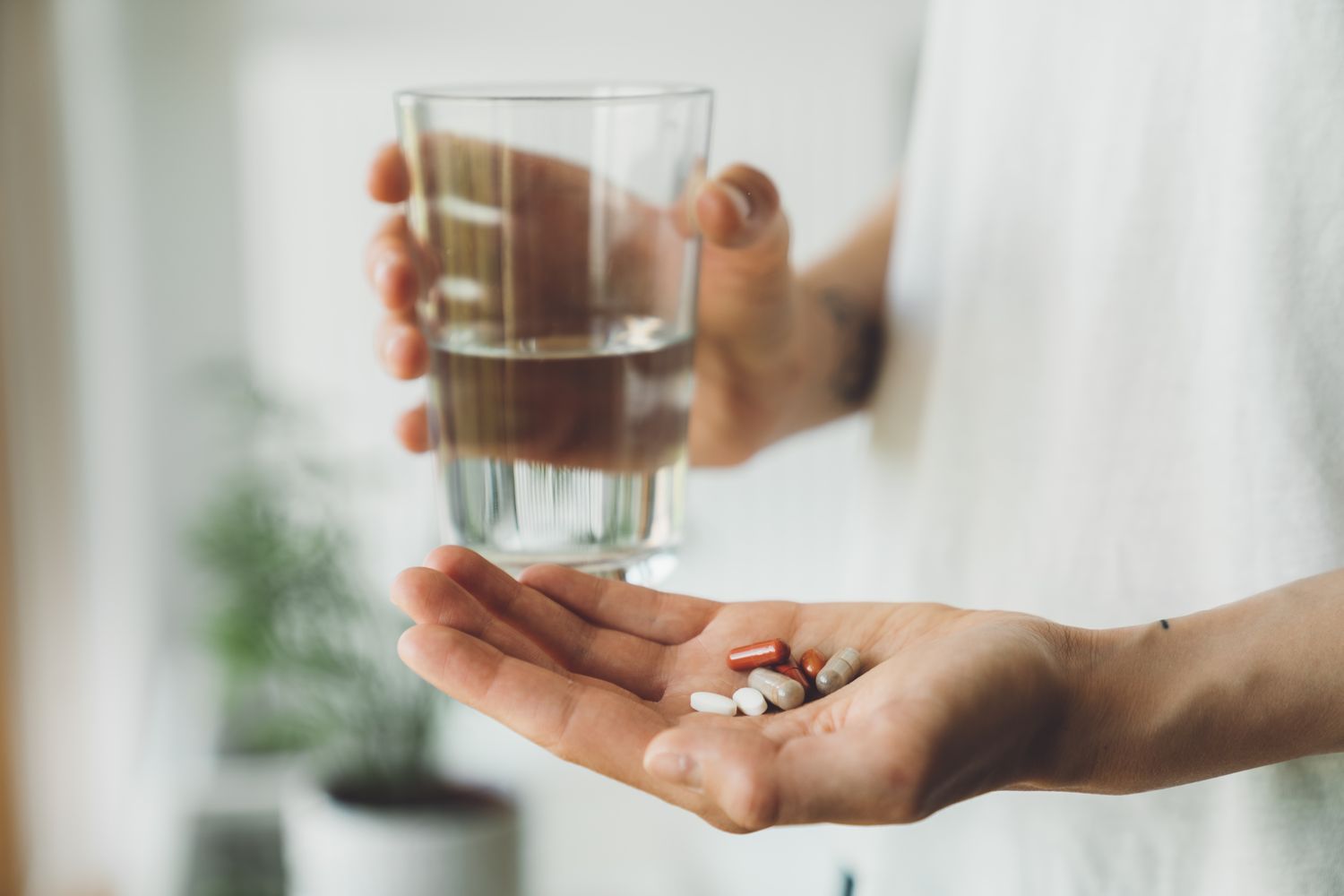
Certain herbal and dietary supplements can offer health benefits, but some can interact with medications, such as blood thinners. Vitamin E, ginkgo, garlic, ginger, and omega-3s are among those that can increase your risk of bleeding or other side effects.
1. Vitamin E
High doses of vitamin E supplements can impair the body’s ability to form blood clots.
Vitamin E can interfere with vitamin K metabolism, which is crucial for activating proteins that help stop bleeding by forming clots. It also reduces platelet clumping. It also reduces platelet clumping.
Taking too much vitamin E can increase the risk of bleeding, including the rare but serious risk of bleeding in the brain (hemorrhagic stroke). This risk is greater for those already on blood thinners like warfarin or antiplatelet medications such as aspirin or Plavix (clopidogrel).
2. Omega-3
Omega-3 supplements are commonly used to support heart health and improve cholesterol levels.
However, for most people taking standard doses, the risk of major blood-thinning is generally low.
3. Grapefruit Seed Extract
Grapefruit seed extract is often used for its ability to fight microbes. However, it can cause a risky interaction with blood-thinning medications.
Grapefruit contains substances that can affect how the body breaks down drugs. When taken with blood thinners, this interaction can increase the drug’s levels in your body, intensifying its effects. This can lead to serious side effects, such as bleeding, bruising, or excessive bleeding (hemorrhage).
4. Coenzyme Q10
Coenzyme Q10 (CoQ10) is an antioxidant supplement. It can also interact with blood-thinning medications, decreasing their effectiveness.
CoQ10 has a chemical structure similar to that of vitamin K, which is essential for the production of several blood-clotting factors. Due to its similarity, CoQ10 may interact with enzymes, potentially counteracting the effect of warfarin. This can hamper its ability to reduce blood clot formation, resulting in a risk of a dangerous clot (thrombosis).
There is very little to no clinical data on the interaction between CoQ10 and other blood thinners.
5. Don Quai
Dong quai is a traditional Chinese medicine known for its mild calming, pain-relieving, anti-spasm, anti-inflammatory, and blood-thinning effects.
It can increase the time it takes for blood to clot, potentially worsening bleeding. These effects can lead to excessive bleeding when combined with blood thinners like warfarin.
More research is required, but people taking this herb in combination with blood-thinning medications should be more cautious.
6. Ginseng
Ginseng is an herbal supplement with antioxidant benefits. It is also sometimes consumed as a tea. Some use it to improve fatigue and boost brain and immune health.
Ginseng can interact with blood thinners by increasing the risk of bleeding. It may slow blood clotting and prevent platelets from clumping together to form clots.
When combined with blood-thinning medication like warfarin, it can increase the effects and raise the risk of bleeding.
7. St. John’s Wort
St. John’s Wort is another traditional herbal Chinese medicine. It’s often used to help with symptoms of depression, though there’s not enough evidence to recommend it.
St. John’s Wort can significantly speed up the metabolism of many blood thinners, reducing their concentration and effectiveness. It should not be used with warfarin as it may reduce the effects of the drug.
8. Vitamin K
Vitamin K is known as the natural vitamin that promotes blood clotting. It makes specific proteins in the liver that cause blood to clot. These proteins are called clotting factors.
Taking vitamin K or supplements containing vitamin K can increase the clotting factors. Vitamin K or foods containing vitamin K can reduce the effectiveness of blood thinners, such as warfarin, due to increased clotting factors.
Avoid taking vitamin K supplements and be mindful of consuming vitamin K-rich foods while taking a blood-thinning medication. Foods rich in vitamin K include leafy green vegetables such as kale, spinach, and Brussels sprouts.
9. Ginger
Ginger dietary supplements are sometimes used for medicinal purposes, including nausea, osteoarthritis, menstrual cramps, and other conditions.
Although further research is needed, ginger may help prevent or slow down blood clotting. When taken in large amounts or concentrated supplements, it may enhance the effect of blood thinners such as warfarin, which can increase the risk of bleeding or bruising.
Although there has been no direct advisory, the Food and Drug Administration (FDA) advises healthcare providers to exercise caution in people who are on warfarin and also use ginger, garlic, and other dietary and herbal supplements.
10. Garlic
Garlic offers several heart health benefits, including blood pressure regulation, cholesterol management, and weight control, among others. Garlic supplements can interfere with your body’s blood-clotting abilities.
The findings of various studies suggest that garlic can decrease the antiplatelet and anticoagulant effects of aspirin and other blood-thinning medications, particularly warfarin. When taking blood-thinning medicines, it is better to avoid high doses of garlic supplements to prevent an increased risk of bleeding.
Talk to your healthcare provider about how much garlic is safe to consume while on blood thinners.
Other Supplements
Some other herbs may also not mix well with blood thinners, but the evidence is not strong. These include:
Talk to Your Healthcare Provider
Always consult your healthcare provider about all medications, dietary supplements, and herbal supplements you are taking to prevent potential interactions.