

:max_bytes(150000):strip_icc():format(jpeg)/VWH-GettyImages-1214887821-695fcbd093594a03acf7357e2df46a20.jpg)
Some foods get plenty of attention for being healthy, while others are often overlooked. Underrated foods like watercress, sardines, kiwi, and more are nutritious and offer many health benefits.
1. Watercress
Inga Rasmussen / Getty Images
Watercress is a leafy green with a peppery taste. Similar to kale, it is rich in vitamins, minerals, antioxidants, and fiber. Experts rank watercress as a powerhouse vegetable because it is low in calories and high in vitamins. One serving of watercress provides over 100% of the daily recommended amount of vitamin K, a fat-soluble vitamin necessary for blood clotting.
Watercress is also rich in antioxidants that may help reduce inflammation and lower the risk of certain cancers, including colon and skin.
To incorporate watercress into your diet, consider using it as a base for a salad or as a topping for your pizza or pasta dishes.
2. Lentils
etorres69 / Getty Images
Lentils are small, edible seeds in the legume family. Legumes are rich in fiber and plant-based protein. They also contain B vitamins, magnesium, potassium, and zinc. Lentils are a healthy choice for those following a vegetarian or vegan diet, as they provide about 25% of the daily protein requirement. They are also rich in iron, a nutrient typically found in meat.
Lentils can be enjoyed on their own or in a variety of soups and stews. Health benefits of lentils include:
- Promotes digestion
- Lowers the risk of constipation
- Improves gut health
- Reduces the risk of chronic conditions like heart disease and type 2 diabetes.
3. Cabbage
YelenaYemchuk / Getty Images
Cabbage is a cruciferous vegetable that is in the same family as Brussels sprouts and broccoli. Although it is less popular, it is just as nutritious. Cabbage comes in a variety of colors and textures. It is very low in calories while providing several vitamins and minerals.
Cabbage is rich in fiber, vitamin K, and folate. It is also a good source of antioxidants that prevent cell damage and lower inflammation. Research shows that consuming a diet rich in cruciferous vegetables, such as cabbage, may reduce blood levels of inflammatory markers.
To incorporate cabbage into your diet, consider making your own kimchi, coleslaw, or cabbage rolls.
4. Peas
Inna Brailchuk / Getty Images
Peas are affordable, easy to prepare, and loaded with healthy nutrients. This underrated food is often mistaken for a vegetable, but peas are actually a member of the legume family.
Like other legumes, they are rich in fiber and protein. The protein in peas and other plants may be easier for your digestive system to break down than protein from animal sources. The fiber in peas adds bulk to stool, making it easier to pass a bowel movement.
Add peas to your favorite soups, stews, or pasta dishes for a healthy addition.
5. Celery
zhikun sun / Getty Images
Celery is an often-overlooked vegetable rich in several vitamins and minerals. You may be used to adding diced celery to homemade soups, but celery is a star all on its own.
It is a good source of several antioxidants that help prevent cell damage and protect blood vessels from inflammation. These include:
- Vitamin C
- Beta carotene
- Flavonoids
In addition to cooking with celery, enjoy it raw with hummus or peanut butter.
6. Prunes
Milan Krasula / Getty Images
Prunes are dried plums known for their gut health benefits. You have likely heard that they are an effective treatment for constipation, thanks to their high fiber content.
Prunes have a laxative effect because they contain sorbitol, a sugar alcohol that speeds up the digestion process. Treating constipation with prunes and prune juice may also improve symptoms of an overactive bladder.
Prunes can be enjoyed on their own or added to yogurt or smoothies.
7. Kiwi
oykuozgu / Getty Images
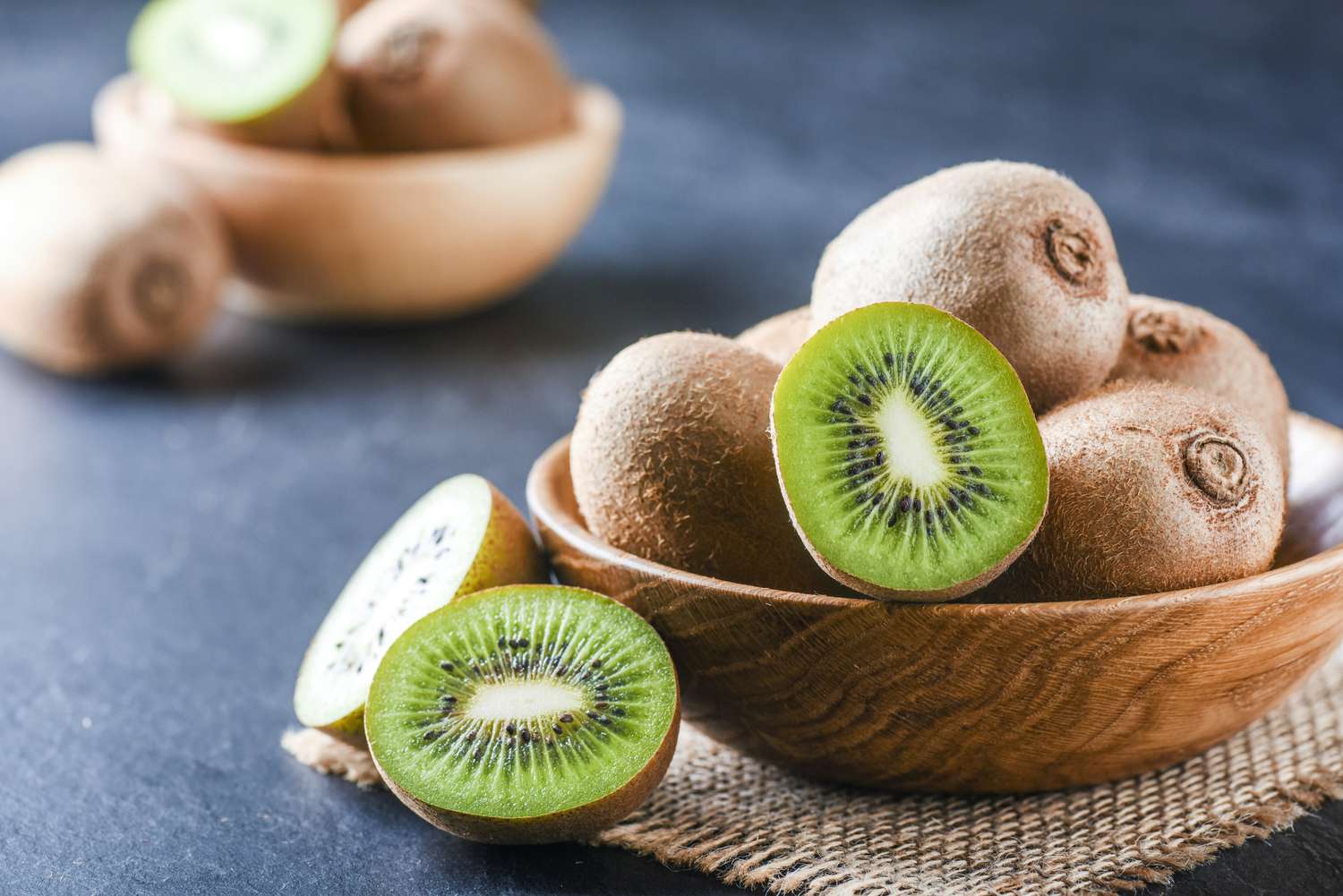
Kiwis are small green fruits rich in fiber, vitamins, minerals, and antioxidants. While not the most popular fruit, they’re sweet and tasty with several health benefits. Kiwis contain carotenoids, antioxidants that help protect against heart disease and certain types of cancer.
One study found that regularly eating kiwifruits may significantly lower blood pressure levels. Eating kiwis regularly may also lower total cholesterol and blood triglycerides.
Add sliced kiwis to a yogurt parfait or bowl of oatmeal. They’re also a delicious snack on their own.
8. Barley
SherSor / Getty Images
Barley is a whole grain rich in fiber, manganese, and selenium. Although less popular than similar grains, such as oatmeal, barley offers several health benefits. Barley is rich in fiber, manganese, and selenium.
Barley contains beta-glucan, a soluble fiber that forms a gel-like consistency in the digestive tract. This slows digestion, preventing blood sugar spikes and increasing nutrient absorption.
Over time, eating a diet rich in soluble fiber may reduce hunger and support a healthy weight. This type of fiber may also reduce the risk of metabolic disease.
When preparing barley, try soaking it first to increase its nutrient availability.
9. Sardines
dutourdumonde / Getty Images
Sardines are small fish that offer numerous health benefits and are rich in several vitamins and minerals, including:
- Calcium
- Protein
- Omega-3 fatty acids
- Magnesium
Eating a diet rich in omega-3 fatty acids may improve blood vessel function and reduce the risk of heart disease. One review found that people who consume the highest amount of omega-3 fatty acids are 15% less likely to die of heart disease.
Sardines may also help regulate blood sugar levels. A study found that consuming sardines once a week may lower the risk of developing type 2 diabetes.
To incorporate sardines into your diet, try spreading them on whole-wheat toast or crackers. They can also be used as a topper for salads, sandwiches, and pasta dishes.
10. Anchovies
Alberto Marrupe Gutierrez / Getty Images
Anchovies are small, flavorful fish that are popular in the Mediterranean diet, a healthy eating plan associated with heart health benefits. Anchovies contain selenium, omega-3 fatty acids, and antioxidants that may reduce the risk of certain cancers.
The omega-3 fatty acids in anchovies may boost brain health and improve mood. Research shows that eating a diet rich in omega-3 fatty acids may reduce the risk of dementia and Alzheimer’s disease.
Consider adding anchovies to pizza, pasta, or rice dishes for an added flavor.