

:max_bytes(150000):strip_icc():format(jpeg)/VWH-GettyImages-1399211587-20d158c0faf647568aa65cb8405bc090.jpg)
Oatmeal is a nutritious breakfast option rich in fiber, vitamins, minerals, and antioxidants. Adding protein- or fiber-rich toppings, such as nut butters or chia seeds, can help keep you full and satisfied for longer periods.
1. Nut Butters
EyeEm Mobile GmbH / Getty Images
Nut butters can add to your daily protein intake, with options including peanut butter, almond butter, and cashew butter.
Peanut butter contains approximately 3.84 grams of protein per tablespoon. It also provides antioxidants, vitamins, and healthy fats.
Adding just 1 tablespoon of nut butter to oatmeal may significantly increase its nutrient content. Choose natural options with no added sugars or hydrogenated oils.
2. Chia Seeds
everydayplus / Getty Images
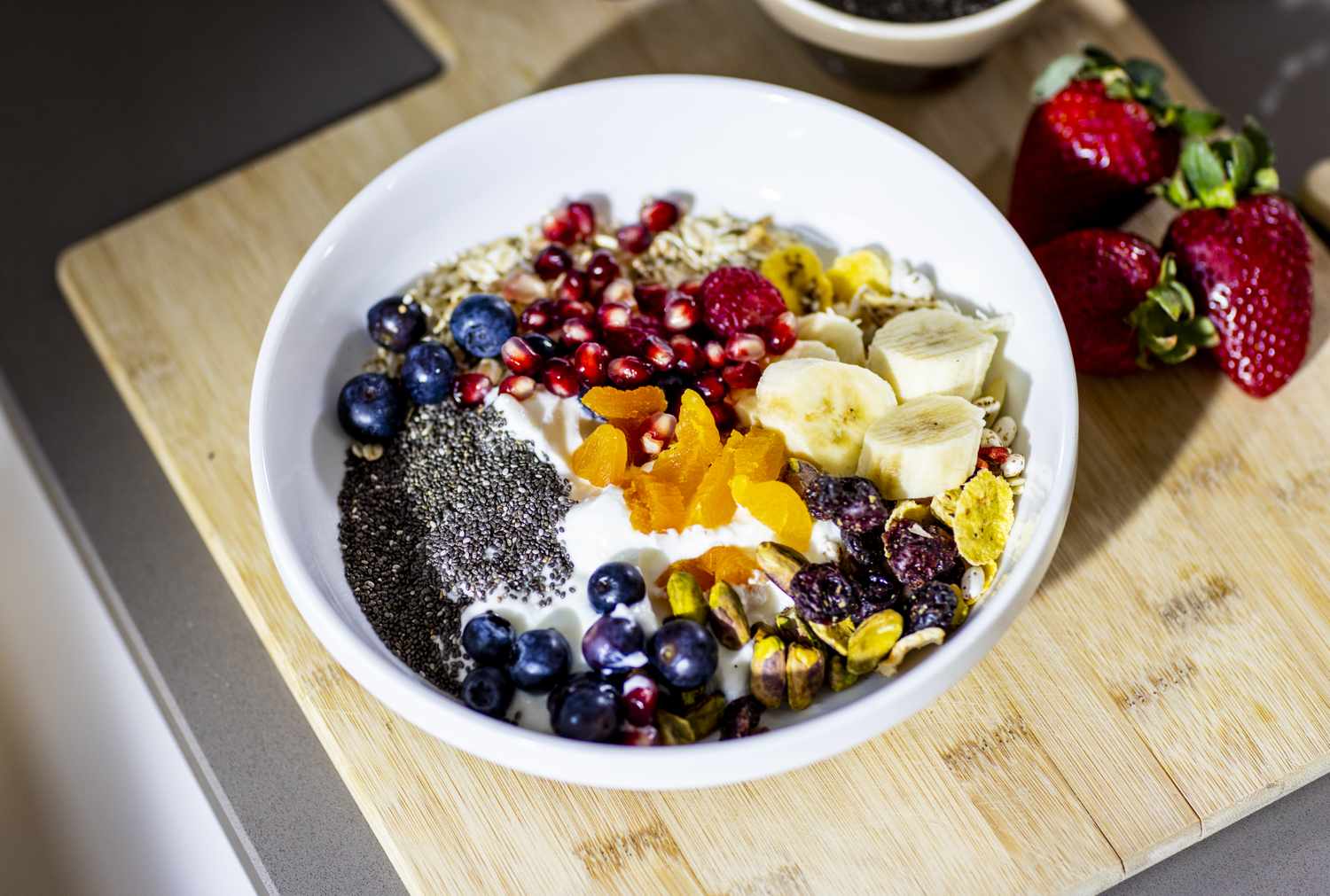
Chia seeds are an excellent source of both fiber and protein. They are also loaded with omega-fatty acids—essential fats that provide significant benefits to your heart, brain, and metabolism.
When immersed in liquid, chia seeds expand, which can contribute to increased satiety and prolonged fullness. Adding chia seeds to oatmeal enhances texture while providing a nutrient-rich breakfast option. A single tablespoon of chia seeds contains approximately 2.34 grams of protein and nearly 5 grams of fiber.
3. Flaxseeds
Veena Nair / Getty Images
Flaxseeds, like chia seeds, contain a variety of nutrients. They provide protein, fiber, omega fatty acids, and lignans—plant compounds associated with potential health effects.
Adding ground flaxseeds to oatmeal can increase its texture and nutritional content. One tablespoon of flaxseeds contains approximately 1.28 grams of protein and 1.91 grams of fiber.
4. Nuts
jirkaejc / Getty Images
Including chopped pecans, walnuts, macadamia nuts, or almonds in your oatmeal can add texture, protein, fiber, healthy fats, and antioxidants. Nuts are excellent sources of essential nutrients such as protein, fiber, and unsaturated fats.
When combined with oatmeal, nuts contribute to a breakfast that supports cardiovascular health, digestive function, and blood sugar management. Both oatmeal and nuts have been found to provide sustained energy and satiety.
5. Greek Yogurt
~UserGI15633745 / Getty Images
Greek yogurt is a valuable source of protein and probiotics (beneficial live microbes), contributing to prolonged satiety. A serving of 100 grams provides approximately 10 grams of protein.
When mixed into oatmeal, Greek yogurt offers a creamy and tangy flavor. Adding 2 tablespoons to your oatmeal creates a nutritionally balanced breakfast that supports digestive health and promotes a feeling of fullness.
6. Berries
nambitomo / Getty Images
Blueberries and raspberries are fiber-rich options to include in oatmeal. One-half cup, or 100 grams, of blueberries contains 2.4 grams of dietary fiber, while 100 grams of raspberries contains 6.5 grams.
Both blueberries and raspberries are labeled as superfoods based on their high antioxidant content. They provide antioxidants such as vitamin C, anthocyanins, and quercetin, which may help protect the body from free radical damage and inflammation.
Free radicals are unstable molecules that damage cells and DNA, potentially leading to chronic diseases and premature aging.
7. Banana Slices
toeytoey2530 / Getty Images
Sliced bananas can be added to oatmeal for additional flavor and nutrition. Bananas provide fiber, potassium, vitamins B6 and C, and several antioxidants such as flavonoids and amines. They also contain a small amount of protein.
The fiber content in bananas depends on their ripeness. One medium banana (approximately 115 grams) typically contains around 5.31 grams of total dietary fiber.
8. Diced Apple
Kevin Trimmer / Getty Images
Apples contain 2 grams of fiber per 100 grams, and oats have 10.4 grams per 100 grams. Combining chopped apples with oats can help you work towards the daily fiber recommendation of 25 grams for women and 38 grams for men.
9. Milk
alvarez / Getty Images
Adding dairy milk or plant-based milk to oatmeal changes its taste and nutritional profile. Using milk instead of water also produces a creamier oatmeal.
Milk increases the protein content of oatmeal, which is related to bone and muscle strength and satiety. Just 100 grams of non-fat dairy milk contains 8.44 grams of protein.
Dairy milk is also an excellent source of calcium and vitamin D, which support bone and dental health. Plant-based milks are commonly fortified with these nutrients.
10. Eggs
UPictures / Getty Images
Topping oatmeal with an egg can add to the oatmeal’s nutrition. Eggs are a complete protein source, providing all nine essential amino acids in the best ratios. One large egg contains about 6 grams of protein.
Eggs are loaded with healthy fats, including monounsaturated and polyunsaturated fats. They also contain lutein, zeaxanthin, choline, vitamin D, selenium, and vitamin A, which have been found to help prevent chronic disease.
11. Protein Powder
Madeleine_Steinbach / Getty Images
Oatmeal mainly consists of carbohydrates, so adding protein powder can adjust the nutritional profile. Including protein powder in oatmeal increases its protein content.
For example, 32 grams of protein powder adds approximately 25 grams of protein to oatmeal. Mix the protein powder into the oatmeal after cooking to reduce clumping.
Oatmeal Nutrition
Oatmeal is available in several varieties, such as steel-cut oats, rolled oats, and quick or instant forms.
Per cup, raw oats provide the following nutritional values:
- Water: 8.78 grams (g)
- Calories: 307
- Protein: 10.7 g
- Fat: 5.28 g
- Carbohydrates: 54.8 g
- Total dietary fiber: 8.18 g
- Sugar: 0.802 g
Additionally, oatmeal contains essential vitamins and minerals, including manganese, magnesium, iron, selenium, vitamin B1, phosphorus, and copper.
Whole oats also contain significant antioxidant compounds, such as avenathramides, ferulic acid, and phytic acid, which offer various health benefits, including reduced inflammation and lower risk for chronic disease.