

:max_bytes(150000):strip_icc():format(jpeg)/PainScale-56a6e17b3df78cf77290aa67.gif)
Key Takeaways
- Pain scales help doctors understand how much pain you feel.
- Numerical rating scales let you rate your pain using numbers from 0 to 10.
- The FLACC Pain Scale is for people who can’t describe their pain, such as small children.
Pain scales are essential tools that help healthcare providers assess your pain level and its impact. They use numerical ratings, facial expressions, or other elements to make allow providers to translate complex pain experiences into understandable data.
How Pain Scales Work and Why They’re Necessary
Healthcare providers have at least 11 types of pain scales to choose from. They generally fall into one of three categories:
- Numerical rating scales (NRS): Uses numbers to rate pain
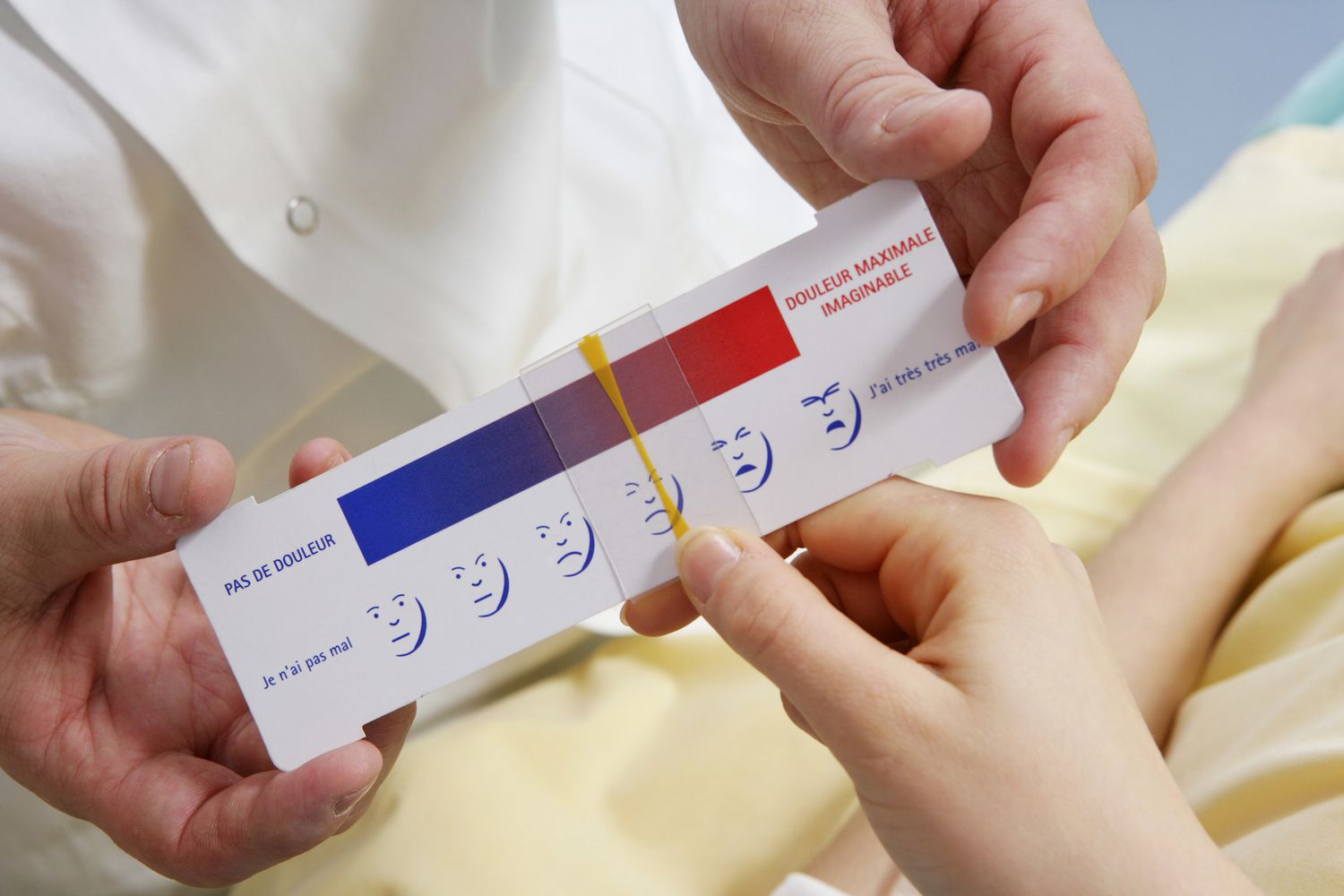
- Visual analog scales (VAS): Asks you to select a picture that best matches your pain level
- Categorical scales: Primarily uses words, possibly along with numbers, colors, or location(s) on the body
The scales may provide quantitative measurements. Quantitative scales answer the question, “How bad is your pain?” They’re helpful for gauging your response to treatment over time, as with chronic pain treatment.
The scales also may be qualitative and answer the question, “What does it feel like?” They can give your healthcare provider ideas about the cause of your pain, whether it’s associated with any medical problems you have, or whether it’s caused by the treatment itself.
No one particular pain scale is considered ideal or better than the others for every situation. Some of these tools are best suited for people of certain ages. Others are more useful for people who are highly involved in their own health care.