

:max_bytes(150000):strip_icc():format(jpeg)/Mesntrualproducts-37f885a886c54fc58cc549c3ee97bb77.jpeg)
Key Takeaways
- Vaginal itching can be caused by infections like bacterial vaginosis and trichomoniasis.
- Hormonal changes during your period can also lead to vaginal itching.
- Treatment depends on the cause and may include antifungals or antibiotics, steroids, or lubricants.
If your vagina itches during or after your period, hormonal shifts, allergic reactions to menstrual products, or infections may be to blame. Identifying the underlying cause is key to resolving discomfort and ensuring your continued well-being.
Isabel Pavia / Getty Images
1. Bacterial Vaginosis
Bacterial vaginosis (BV) is a common condition where the normal balance of bacteria is disrupted. When you have BV, you have an unhealthy balance of bacteria in the vagina. You can experience vaginosis after your period or at any time during the menstrual cycle.
BV is the most common vaginal condition in people ages 15 to 44.
The exact cause of BV is unknown, but it most often occurs in sexually active individuals.
BV can cause symptoms like:
You cannot treat BV at home. It requires a medical diagnosis and treatment with antibiotics.
2. Trichomoniasis
Trichomoniasis is a sexually transmitted infection (STI) that can cause vaginal itching at any time during the menstrual cycle. A parasite called Trichomonas vaginalis causes the condition.
Trichomoniasis infected more than 2 million Americans in 2018. In the U.S., it is the most common of all curable STIs.
Up to 70% of people with trichomoniasis do not have symptoms. But, those who do have symptoms may experience the following:
- Genital itching and irritation
- Painful urination
- Vaginal discharge
- Vaginal odor that smells fishy
Treating trichomoniasis needs prescription medication. If you suspect infection, see a healthcare provider. Reinfection is possible after treatment, so all partners should be treated at the same time to prevent it.
3. Hormonal Changes
The menstrual cycle includes three hormonal phases: follicular, ovulatory, and luteal. Your period begins the follicular phase.
While bleeding lasts three to seven days, the follicular phase lasts up to a couple of weeks. It ends when the level of luteinizing hormone surges. Hormonal fluctuations, especially low estrogen, can sometimes result in itching.
4. Vaginal Yeast Infections
A vaginal yeast infection, also called vaginal thrush, is a fungal infection in the vagina. Vaginal yeast infections are caused by a fungus called Candida. This fungus usually lives in your vagina in healthy amounts.
Rising estrogen levels during the menstrual cycle can kill the healthy bacteria that normally live in the vagina, which may lead to an overgrowth of Candida. The hormone progesterone, which also fluctuates during the menstrual cycle, helps the body destroy Candida.
Yeast infections are common. Those most at risk include individuals who are pregnant, use birth control pills, have diabetes, are immunocompromised, or are taking antibiotics.
Symptoms of thrush include:
- Vaginal discharge
- Vaginal itching
- Painful sex
- Painful urination
Yeast infections are treated with antifungal medicine.
Vulvovaginitis is inflammation or infection of the vulva and vagina. It can result in itching, pain, and discharge with odor. Yeast, bacteria, and STIs can cause it, but for some people, vulvovaginitis occurs more frequently during their period.
5. Dermatitis
Dermatitis is a skin condition that causes itching and irritation. Allergies, sensitivities, or an inflammatory disease like eczema cause dermatitis.
Contact dermatitis occurs when your skin reacts to a substance to which you are sensitive or allergic. Symptoms include itching, burning, and skin rash or blisters. The itching from dermatitis can be intense and disrupt a person’s ability to sleep or perform day-to-day tasks.
The best way to treat dermatitis is to prevent it. Therefore, try to identify the trigger and avoid it. In the meantime, topical steroids can help relieve itch and inflammation. Allergy testing may be a good idea to help narrow down allergens.
If vaginal itching starts during menstruation, it could be due to hormonal fluctuations or sensitivities to the menstrual products you are using.
6. Sensitivities and Allergies
You may be sensitive or allergic to specific products, especially those that come in contact with your vulva or vagina during your period. Sensitivities may lead to itching.
Some common products that could lead to vulvar or vaginal itching include:
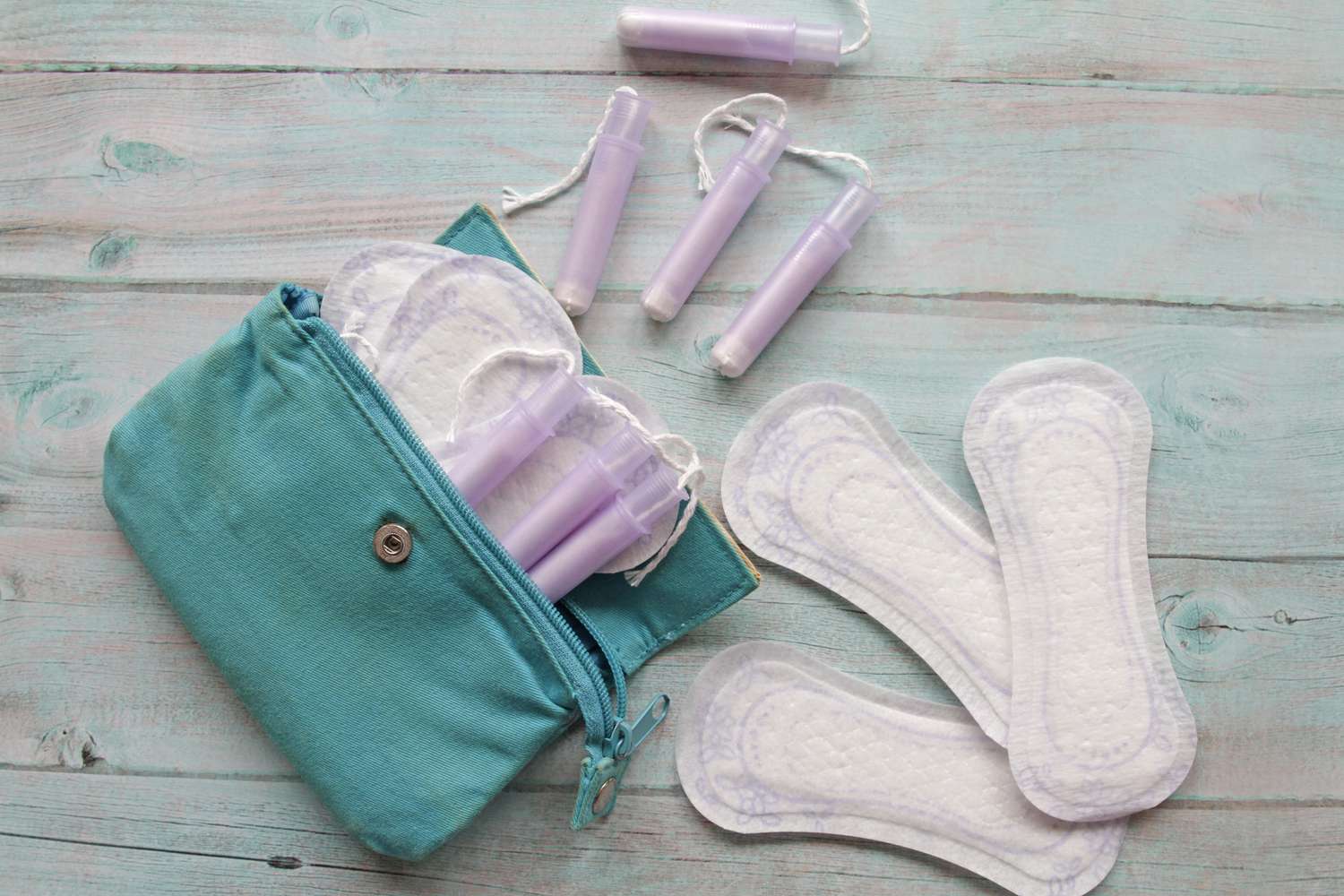
- Tampons, pads, and other menstrual products
- Fabric softeners
- Laundry detergents
- Soaps
Scented items tend to cause more irritation on sensitive skin. Thus, you may want to stick to unscented menstrual products, soaps, and detergents made for people with skin sensitivities.
7. Psoriasis
Psoriasis is an autoimmune skin condition that causes scaly, itchy patches on the skin. It can occur anywhere on the body—even the genitals.
Anyone can develop psoriasis, but it is not contagious. Instead, it occurs when your body’s immune system attacks your body’s tissues.
Symptoms of genital psoriasis include:
- Red, inflamed, flaking skin
- Itching
- Dry, cracked skin
Even if you treat psoriasis elsewhere on your body, it’s important to tell your healthcare provider about psoriasis on your vagina or vulva. That’s because the skin on your genitals is thinner and more sensitive. Your healthcare provider may suggest a different treatment for that area.
8. Lichen Planus
Lichen planus is a condition that causes itchy bumps on the skin. Anyone can get lichen planus, but it is most common in middle-aged people. The cause of lichen planus is unknown. One theory is that it is an autoimmune disease.
Lichen planus bumps can occur anywhere on the skin, including the genitals. Symptoms of lichen planus include:
- Patches of scaly skin
- Itching
- Blisters
- Genital pain
Antihistamines may relieve the itch associated with lichen planus. In addition, a healthcare provider may prescribe topical and systemic steroids. They may also suggest light therapy and retinoic acid.
9. Lichen Sclerosus
Lichen sclerosus is an inflammatory skin disorder that affects the vulva and perineum. Researchers believe it is caused by immune dysfunction, genetics, and hormones.
Not everyone with the condition experiences symptoms. Those who do may have vulvar itching and find that sex feels painful. In addition, the genitals may appear white, thin, and wrinkled.
Healthcare providers commonly use steroids to manage the symptoms.
10. Atrophic Vulvovaginitis
Atrophic vulvovaginitis is a condition where the skin of the vulva and vagina is dry and painful. It is most common in post-menopausal people. It also occurs during lactation, cancer treatments, and with some medications.
Symptoms of atrophic vulvovaginitis include:
- Vaginal dryness
- Irritation in the vulva and vagina
- Pain during intercourse
- Spotting due to small tears
- Urinary urgency and incontinence
- Recurrent urinary tract infections (UTIs)
- Vaginal itching
Lubricants can often help with vaginal dryness, especially during sexual activity. In addition, healthcare providers routinely prescribe progesterone and estrogen hormone therapy.
11. Medication Side Effects
Some medications can contribute to vaginal itching, including antibiotics, immune-suppressing drugs, and steroids. That’s because these medications can disrupt the normal balance of bacteria and yeast, leading to itching.
12. Cancer
Less frequently, itching can be a symptom of any cancer, especially skin cancer. In addition, cancer treatment can sometimes cause itching.
Cancers that affect the genital area include:
Regular screenings help catch cancers in their early stages when they are most treatable. Thus, it’s important to get pap smears and other recommended cancer screenings regularly. If you are undergoing cancer treatment and experiencing itching as a side effect, talk to your oncologist for treatment options.
How to Stop Vaginal Itching
Fortunately, there are some things you can do to manage vaginal itching when it does occur. Sometimes you can control itching at home. Other times, you’ll need to see a healthcare provider for treatment.
Home Remedies
It is important to maintain good hygiene during all parts of your menstrual cycle. Keep the vulva clean with plain water and a gentle, unscented soap, and avoid douching.
Home remedies can help you manage the discomfort of vaginal itching. You might use them for minor situations that don’t require medical support, and you can also use them alongside standard medical care to soothe skin and provide relief.
Home remedies include:
- Applying a cool compress
- Taking a colloidal oatmeal bath
- Eliminating scented menstrual products
- Switching to detergents for sensitive skin
- Wearing breathable, cotton underwear
Applying aloe vera or coconut oil externally can help manage the symptoms of vulvar itching. Note that these products should not be placed in the vagina.
Typical Medical Treatments
Medical treatment depends on the cause of vaginal itching. A healthcare provider will first diagnose your condition and then prescribe treatment.
Treatment may include:
- Antifungal medication
- Antibiotics
- Topical or systemic steroids
- Allergy medication
- Hormone therapy
- Lubricants
When to See a Healthcare Provider
You should see a healthcare provider if you are worried about your symptoms or have signs of infection. In addition, the following symptoms warrant medical attention:
- Itching that is severe or persistent and accompanied by other symptoms
- Symptoms that don’t improve after using over-the-counter remedies
- Sores on the genitals
- Pain or tenderness in the pelvis or vaginal area
- Unusual vaginal discharge
- Pain during sex
- Pain or difficulty urinating