

:max_bytes(150000):strip_icc():format(jpeg)/GettyImages-71417934-6bf8bc20b92f44c0a127479c8bbfe61e.jpg)
Key Takeaways
- Exercise regularly to help lower your diastolic blood pressure.
- Improve your diet by following the DASH or Mediterranean diet to reduce your blood pressure.
- Limit high-sodium foods to help lower your diastolic blood pressure. Also, talk with your healthcare provider about medication.
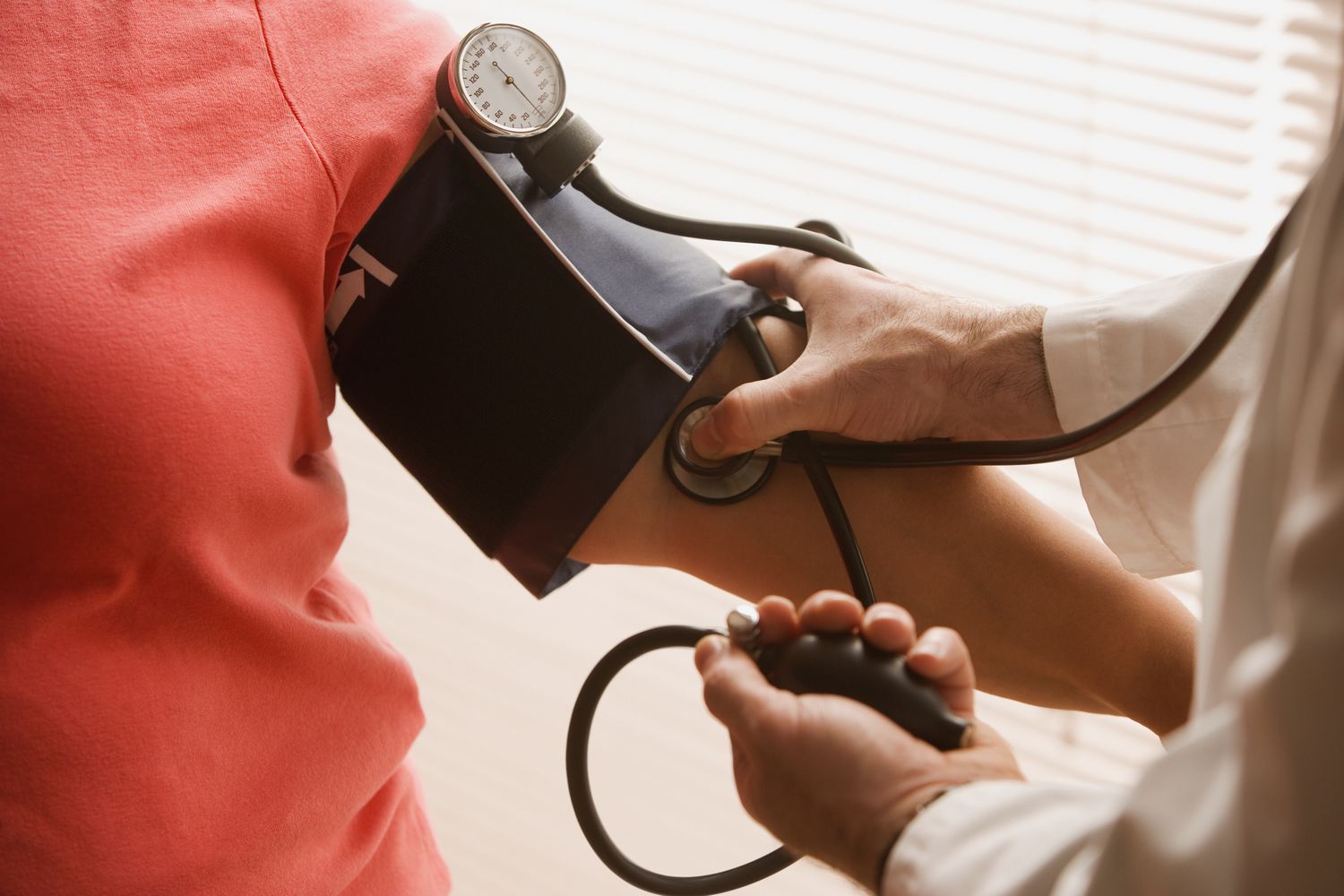
If you’re looking to reduce your diastolic blood pressure naturally, focus on integrating exercise and a balanced diet into your daily routine. These strategies can help maintain healthy blood pressure levels and improve your overall well-being.
Jose Luis Pelaez Inc / Getty Images
1. Engage in Exercise
Routine exercise can help lower diastolic blood pressure. Traditional aerobic exercise is recommended, but isometric training also offers benefits. It is safe for people with mobility challenges or recent injuries.
Other effective exercises for lowering blood pressure include:
- High-intensity interval training (HIIT)
- Dynamic resistance training
- Combined training (aerobics with weight lifting or other resistance training)
The American Heart Association suggests at least 150 minutes of moderate exercise weekly to lower blood pressure. Try walking, biking, or water aerobics, and include resistance training twice a week.
What Is Isolated Diastolic Hypertension?
Isolated diastolic hypertension (IDH) occurs when diastolic blood pressure is high (greater than 80 mm Hg), but systolic blood pressure is normal. It is relatively common, particularly in:
- Males
- Younger people
- People diagnosed with overweight and obesity, especially central obesity in young people
IDH is associated with an increased risk of cardiovascular events. Strategies to lower diastolic blood pressure involve lowering blood pressure overall.
2. Improve Your Diet
A heart-healthy diet can lower your blood pressure and reduce the risk of hypertension. The Dietary Approaches to Stop Hypertension (DASH) diet helps you enjoy nutritious meals while limiting high-salt and processed foods.
The Mediterranean diet focuses on fresh, healthy foods and replaces trans and saturated fats with olive oil. It limits red meat, salt, and excessive sugar intake.
A 20-year study suggests that long-term adherence to a Mediterranean diet is linked to lower systolic and diastolic hypertension. Improved blood pressure relies on consistent application of the diet.
The American Heart Association recommends choosing heart-healthy foods and reading food labels to avoid foods with added sodium or sugar.
3. Limit High Sodium Foods
Too much sodium intake promotes water retention in the bloodstream. Over time, the extra volume of blood can stress and stiffen blood vessels, leading to high blood pressure.
The average American consumes about 3,400 milligrams (mg) of sodium per day, and most of it comes from packaged and prepared foods. The American Heart Association recommends that most adults limit daily sodium intake to 1,500 mg.
Studies have shown that reducing sodium intake improves both systolic and diastolic blood pressure linearly, meaning the more you lower sodium intake, the more blood pressure decreases.
Ways to lower sodium intake include the following:
- Limit fast foods and pre-packaged foods.
- Request that your restaurant meals be prepared without salt.
- Eat more fresh, whole foods, such as fruits and vegetables.
- Choose unsalted nuts, seeds, canned vegetables, beans, and broths.
- Limit the salt you add when cooking.
- Use spices and herbs to add flavor when cooking.
- Don’t use a salt shaker at the table.
What Blood Pressure Numbers Mean
The diastolic blood pressure (the lower number of two blood pressure measures, or the “80” in 120/80) is the force exerted on your blood vessels between heartbeats. The upper number, systolic blood pressure, measures the force exerted during a heartbeat.
4. Maintain a Healthy Weight
Excess weight or obesity increases your risk of hypertension and affects both systolic and diastolic blood pressure.
Diet and exercise changes can help with maintaining weight as well as preventing blood pressure and other health problems. Losing even 10 pounds may help lower your overall blood pressure.
Research studies suggest a potential benefit from taking glucagon-like peptide-1 receptor agonist (GLP-1) medications. While they’re used for weight management, GLP-1 drugs like tirzepatide have been shown to have cardiovascular benefits, including lower blood pressure.
A higher body mass index (BMI) has been linked to a higher risk of elevated diastolic blood pressure. BMI is widely used in the medical community because it’s an inexpensive and quick metric to use, but it is a flawed measure that doesn’t fully account for factors such as body composition, ethnicity, sex, race, and age.
5. Eat Less Sugar
Foods with added sugars can add calories to your diet that may increase your risk of weight gain and obesity, which has a direct effect on both systolic and diastolic blood pressure.
Avoid foods and drinks that contain added sugars or sweeteners, such as:
- Soft drinks
- Sweetened coffee drinks
- Sports and energy drinks
- Sweetened teas
- Juice drinks
- Candy
- Baked goods, such as cakes, cookies, pastries, doughnuts, and muffins
6. Cut Back on Caffeine
When you limit your coffee drinking (or reduce other sources of caffeine), there can be an overall blood pressure benefit. People who use energy drinks like Red Bull experience increases in diastolic pressure as well as systolic pressure. These impacts occur in children, too.
Some studies have found no direct caffeine impacts on diastolic pressure but do find improvements in systolic and mean blood pressure when cutting back. More research is needed to understand the impact of caffeine.
A 16-ounce energy drink contains 70 to 240 milligrams (mg) of caffeine on average. About 400 mg per day is considered safe for most adults, according to the Food and Drug Administration, but the American Academy of Pediatrics (AAP) advises against their use by kids or teens.
7. Quit Smoking
Smoking tobacco changes the structure and function of your heart and the vessels that make up your cardiovascular system. It’s a response to hundreds of chemicals inhaled, not just tobacco.
Some studies have found that smoking is associated with diastolic hypertension even more than systolic hypertension. Secondhand smoke, e-cigarettes, and vaping should also be reduced or eliminated to protect against high blood pressure.
Quitting smoking reduces your risk of heart diseases, such as heart attack and stroke. Some studies suggest that the weight gain that occurs in many people who quit smoking can present a new risk for diastolic high blood pressure. Thus, weight management is recommended.
Smoking cessation resources are available to help you quit, and your healthcare provider can discuss medication and other options to boost your chances of success.
Systolic readings are generally considered more important in hypertension (high blood pressure). But researchers are learning more about the diastolic number and its link to heart attacks and strokes.
8. Limit Pollution Exposure
Air quality and levels of particulate matter are increasingly associated with the development of specific diseases, including heart health and high blood pressure.
Studies show long-term exposure to specific types of particulate matter increases the risk for elevated systolic or diastolic blood pressure.
Experts suggest the following:
- Walk or use public transportation to improve overall air quality where you live.
- Time your activities to limit exposure when the air quality index is poor.
- Choose outdoor exercise locations away from busy roads and traffic.
- Consider indoor air quality in terms of cooking, heating, and air filter use.
9. Reduce Alcohol Intake
Limiting or eliminating alcohol consumption can reduce systolic blood pressure, while excess alcohol raises it. Even people with otherwise healthy blood pressure levels can see increases with alcohol use.
An analysis of more than 20,000 people from seven studies found that people who consumed 12 grams of alcohol per day (about 5 ounces of wine, but less than one beer) had higher blood pressure than those who did not use alcohol. The effect was even stronger and increased when more alcohol was consumed.
A separate review of 36 studies concluded that heavy alcohol users who cut back to moderate intake lowered their systolic blood pressure by about 5.5 points and diastolic pressure by about 4 points.
Blood pressure treatment guidelines “strongly” recommend that people with high BP reduce or eliminate alcohol intake.
Can Drinking Water Lower Diastolic Pressure?
A 2020 study from Japan suggests that drinking water at levels to ensure hydration may lower systolic blood pressure, but does not affect diastolic blood pressure.
Although the importance of hydration for other health conditions is demonstrated by other studies, more research is needed to fully understand the effects on blood pressure.
10. Get Quality Sleep
Healthy sleep, without disruptions for seven to eight hours, has been linked to lower risks of high blood pressure in some studies. In fact, if you take daytime naps due to poor sleep quality, you may have a 12% higher chance of a high blood pressure diagnosis.
This study didn’t specify whether diastolic blood pressure was also affected.
Lifestyle changes are key to improving sleep hygiene, keeping in mind that poor sleep habits and quality also contribute to other heart health issues like sleep apnea and diabetes. Try to assess your environmental conditions, your screen time before sleep, and other factors you can change.
11. Manage Stress
Stress increases overall blood pressure, and relaxation lowers it. Mental stress may cause a rapid rise in diastolic blood pressure in some people, while others experience a more gradual rise.
A 2022 study found that participants had an estimated increase in diastolic blood pressure of 8.5 points when they felt highly stressed.
Reducing stress levels or finding stress-relief activities (sitting quietly, meditating, exercising, or reading) may help. Some recommended strategies for managing stress to prevent high blood pressure include:
- Yoga (tai chi may offer benefits, too)
- Meditation
- Breathing techniques
- Music therapy
- Mindfulness practices, like gratitude
12. Try Acupuncture
There is some evidence that acupuncture can improve high blood pressure, with studies done in a range of populations or focused on specific health conditions.
Some studies find acupuncture used along with medication works better than drugs alone to control high blood pressure, including diastolic blood pressure.
However, more research is needed. Talk with your healthcare provider about this option.
Acupuncture for Hypertension
A 2024 study that included data on 66 acupoints in the body found those most often used for hypertension were Tai-chong (LR3), Qu-chi (LI11), Zu-san-li (ST36), Feng-chi (GB20), and He-gu (LI4).
13. Eat More Potassium
Potassium intake is key to keeping a healthy tone in your body’s blood vessels. This benefit helps to lower blood pressure. The recommended daily intake of potassium is 2,600 milligrams (mg) for females and 3,400 mg for males.
The DASH diet helps to boost potassium intake. Examples of potassium-rich foods include:
- Apricots
- Lentils
- Acorn squash
- Prunes
- Potato
- Kidney beans
- Banana
- Milk and yogurt
- Spinach
- Tomatoes
Be aware that potassium can have adverse effects in people with certain health conditions, so talk about your diet plans with a healthcare provider before you begin.
14. Take Omega-3 Fatty Acid Supplements
Omega-3 fatty acids are known to have anti-inflammatory properties and offer heart health benefits, like preventing heart attack. A 2022 analysis of 71 studies found taking omega-3 supplements reduced systolic and diastolic blood pressure.
More studies are needed to understand how a specific dose may help to improve systolic and diastolic blood pressure. However, the optimal dose appears to be between 2 and 3 grams per day.
15. Take Garlic Supplements
Several studies suggest a benefit from garlic in reducing the risk of high blood pressure and other cardiovascular diseases. It’s believed it may help to relax blood vessel walls and help prevent high cholesterol.
Garlic’s anti-oxidant properties also may help to reduce diastolic blood pressure. Research studies report that garlic shows promise in boosting heart health but more study is needed.
In the United States, the Food and Drug Administration (FDA) does not regulate supplements the way it regulates prescription drugs. That means some supplement products may not contain what the label says. When choosing a supplement, look for independently tested products and consult a healthcare provider, registered dietitian nutritionist (RD or RDN), or pharmacist.
16. Use Probiotics
The emerging science shows a relationship between digestive health and the gut microbiome, and the potential for developing high blood pressure when the microbiome is imbalanced.
This may mean that the use of probiotics (yogurt, high-fiber fruits, pickled cucumber, fermented foods, and more) is important in managing blood pressure. More research is needed to understand the reasons why and whether probiotics can lower diastolic blood pressure specifically.
What Medications Lower Diastolic Blood Pressure?
Common medications lower diastolic blood pressure (and systolic blood pressure, as well). These include.
- Diuretics: Also called water pills, diuretics reduce fluid in your blood vessels, which lowers blood pressure. Examples include Lasix (furosemide) and Aldactone (spironolactone).
- Beta-blockers: These make the heart beat more slowly and with less force. Some beta-blocker medications include Tenormin (atenolol) and Lopressor (metoprolol tartrate).
- Angiotensin-converting enzyme (ACE) inhibitors: These relax blood vessels by lowering the production of the angiotensin II enzyme. Examples include Prinivil (lisinopril).
- Angiotensin receptor blockers (ARBs): These relax blood vessels by blocking the activity of the angiotensin II enzyme. Medications include Micardis (telmisartan).
- Calcium channel blockers (CCBs): CCBs relax blood vessels by lowering the rate of calcium entering blood vessel walls. Examples include Norvasc (amlodipine besylate)
Combination blood-pressure medications are also used. These medications may include drugs from different classes and may help control blood pressure better. Some examples include:
- Beta-blockers and diuretics
- Angiotensin-converting enzyme (ACE) inhibitors and diuretics
- Angiotensin-II antagonists and diuretics
- Calcium channel blockers and ACE inhibitors
How to Check Blood Pressure at Home
It’s a good idea to regularly check your blood pressure at home, especially if you have:
- Hypertension
- A recent high blood pressure reading
- A family history of high blood pressure or heart disease
You can buy a blood pressure cuff at a drug store or online. Here’s how to prepare for testing your blood pressure:
- Don’t exercise, smoke, or drink a caffeinated beverage for half an hour before your test.
- Empty your bladder and sit quietly for five minutes before checking.
- Remove any clothing that covers the area where you’ll place the cuff.
- Sit upright in a firm chair and place your feet flat on the floor, legs uncrossed.
- Put your arm on a table or other flat surface, with your upper arm at heart level.
Other tips for getting accurate readings include the following:
- Check the manufacturer’s instructions for placement and how to get an accurate reading.
- Take readings at the same time(s) every day because blood pressure has natural fluctuations.
- Take two or three readings one minute apart and record the results.
Is It Possible to Lower Diastolic Pressure Quickly?
Deep breathing exercises have been shown to reduce diastolic blood pressure quickly, along with quickly managing stress, although more research is needed to confirm these benefits.
A hot bath also temporarily lowers blood pressure as your veins dilate (open), but you should avoid water warmer than 105° F. Studies suggest this may be a risk for older people or those with cardiovascular issues, including high blood pressure that’s not controlled.
Exercise, quality sleep, and a healthy diet may give you results overnight or in a few days. Lifestyle changes and medications may take a few weeks to take effect.
When to See a Healthcare Provider
Anyone can have a high blood pressure reading from time to time. However, extremely high blood pressure can signal a significant health crisis, and sustained high pressures require evaluation.
When checking blood pressure at home, make an appointment with your healthcare provider if you have consistent readings that are slightly or moderately high. Contact your healthcare provider or seek emergency medical care immediately if you’re experiencing:
- Chest pain
- Shortness of breath
- Back pain
- Numbness or weakness
- Changes in vision
- Difficulty speaking
Do not wait to see if your blood pressure comes down. Delaying treatment could have life-threatening consequences.
An occasional high diastolic reading likely isn’t a cause for concern. Still, let your healthcare provider know if you’ve had one or more elevated readings at home or with a different provider.
Monitor your blood pressure for changes, especially if you’ve had high readings or have been diagnosed with hypertension.