

Selenium is an essential mineral that supports immune function, thyroid health, hormone metabolism, and overall cellular health, and about a quarter to nearly half of it is stored in your skeletal muscles. Deficiency is rare in the United States, but eating selenium-rich foods can help you make sure you’re getting enough.
1. Brazil Nuts
Brazil nuts are an excellent source of selenium. Selenium binds to protein, so protein-rich foods are usually high in this mineral. One ounce of Brazil nuts (about six nuts) contains 544 micrograms (mcg) of selenium.
Limit your intake of Brazil nuts to avoid excessive selenium intake.
2. Fish and Shrimp
Selenium is present in water, so many types of fish and shrimp are rich in the mineral. The following types of seafood are a good source of selenium:
- Yellowfin tuna: 92 mcg
- Sardines: 45 mcg
- Cooked shrimp: 42 mcg
3. Pork and Ham
Pork and ham are rich in protein and selenium. A 3-ounce pork chop contains 37 mcg of selenium. And three ounces of roasted ham provides 24 mcg.
4. Grains and Bread
Grains and bread are the primary sources of selenium for people in the United States. Grains and other plant-based foods absorb selenium from the soil.
Grain products include:
5. Beef Liver
The cut of meat affects the selenium content. A 3-ounce beef steak provides 37 mcg of selenium. Three ounces of beef liver have 28 mcg, and three ounces of ground beef contain 33 mcg.
6. Chicken and Turkey
Chicken and turkey are excellent sources of protein and selenium, with low calories. Three ounces of light-meat chicken provide 22 mcg of selenium. Three ounces of roast turkey contains 26 mcg of selenium.
7. Cottage Cheese
Dairy products like cottage cheese are rich in protein and selenium. One cup of 2% milk-fat cottage cheese has 20 mcg of selenium.
8. Sunflower Seeds
Sunflower seeds are a simple and tasty snack packed with healthy nutrients. A 100-gram (g) serving provides 18 mcg of selenium.
9. Eggs
Eggs are rich in protein and several minerals, including selenium. One large, hard-boiled egg provides 15 mcg of selenium. Consider preparing a batch of hard-boiled eggs over the weekend for quick breakfasts and salad toppers throughout the week.
10. Baked Beans
Baked beans are a hearty side dish perfect for people following a vegetarian or vegan diet. One cup of canned baked beans (plain or vegetarian) contains 13 mcg of selenium.
11. Brown Rice
Brown rice is rich in fiber, vitamins, and minerals and low in fat and calories. One cup of cooked, long-grain brown rice provides 12 mcg of selenium.
12. Mushrooms
Mushrooms provide a beefy, hearty flavor and texture. They are a great choice for people looking for non-meat protein sources. A half-cup serving of grilled portabella mushrooms has 13 mcg of selenium.
13. Oatmeal
Start your day with a tasty dose of fiber, vitamins, and minerals with oatmeal. One cup of cooked oatmeal has 13 mcg of selenium. Add a side of cottage cheese with fresh berries for more flavor and selenium.
14. Spinach
Most selenium-rich foods contain meat or animal products because selenium binds to protein. Fortunately, several plant-based foods, like spinach, also contain selenium. A half-cup of frozen, boiled spinach contains 5 mcg.
15. Milk and Yogurt
Milk and yogurt contain high amounts of protein, calcium, and selenium. One cup of low-fat, plain yogurt has 8 mcg, and one cup of 1% milk has 6 mcg.
16. Lentils
Lentils are edible seeds that are a type of legume. They are rich in several nutrients, including fiber and selenium. One cup of boiled lentils contains 6 mcg of selenium.
17. Pistachios
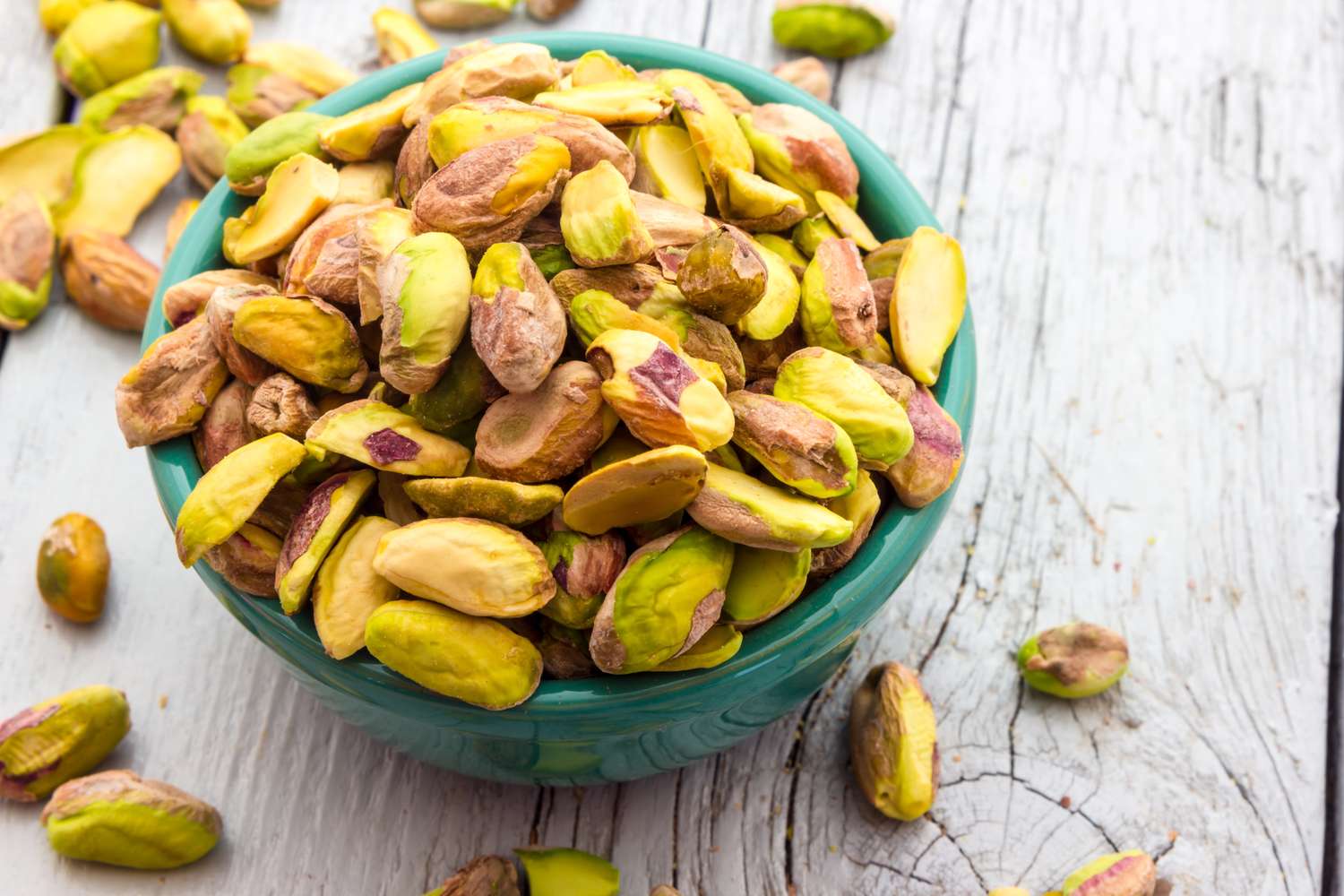
Pistachios are a quick and satisfying treat perfect for on-the-go snacking. One ounce of dry-roasted pistachio nuts contains 2 mcg of selenium. Try tossing a handful in your yogurt or oatmeal for even more selenium.
18. Peas
A half-cup of cooked green peas contains 1 mcg of selenium. To increase this amount, pair them with a selenium-rich main dish, such as roasted chicken or cooked shrimp.
19. Potatoes
One baked potato contains about 1 mcg of selenium. Enjoy your potatoes baked, roasted, or boiled for a satisfying bite.
20. Bananas
Bananas are often known for their potassium content, but they also provide selenium. One cup of sliced bananas has 1.5 mcg of selenium.
A Word From Verywell
Some selenium-rich meal and snack ideas include a burrito bowl with grilled chicken, brown rice and beans, a tuna fish sandwich on whole wheat bread, and a trail mix with sunflower seeds and Brazil nuts.
:max_bytes(150000):strip_icc()/AllisonHerriesRDN-6f20d8f589d94040a4db20699c4a8950.jpg)
| How Much Selenium Do You Need Each Day? | |
|---|---|
| Age | Daily Value |
| 0 to 6 months | 15 mcg |
| 7 months to 3 years | 20 mcg |
| 4 to 8 years | 30 mcg |
| 9 to 13 years | 40 mcg |
| 14 years to adult | 55 mcg |
What Are the Signs of a Selenium Deficiency?
Selenium deficiencies are rare in the United States. People with chronically low selenium levels are at an increased risk of the following conditions:
- Keshan disease: A heart condition that occurs in areas where selenium is low in the soil
- Kashin-Beck disease: A type of osteoarthritis
- Iodine deficiency: This can occur in people who are low in selenium
- Endemic myxedematous hypothyroidism: A thyroid condition that can happen when selenium levels are very low
Selenium Toxicity
It is possible to consume too much selenium. Signs of selenium toxicity may include:
- Breath has a garlic odor
- Diarrhea
- Hair loss, brittleness
- Irritability
- Metallic taste
- Nausea
- Skin rash
:max_bytes(150000):strip_icc()/carriemadormo3-0d20d62434bb4344bdea385664529e28.jpg)