

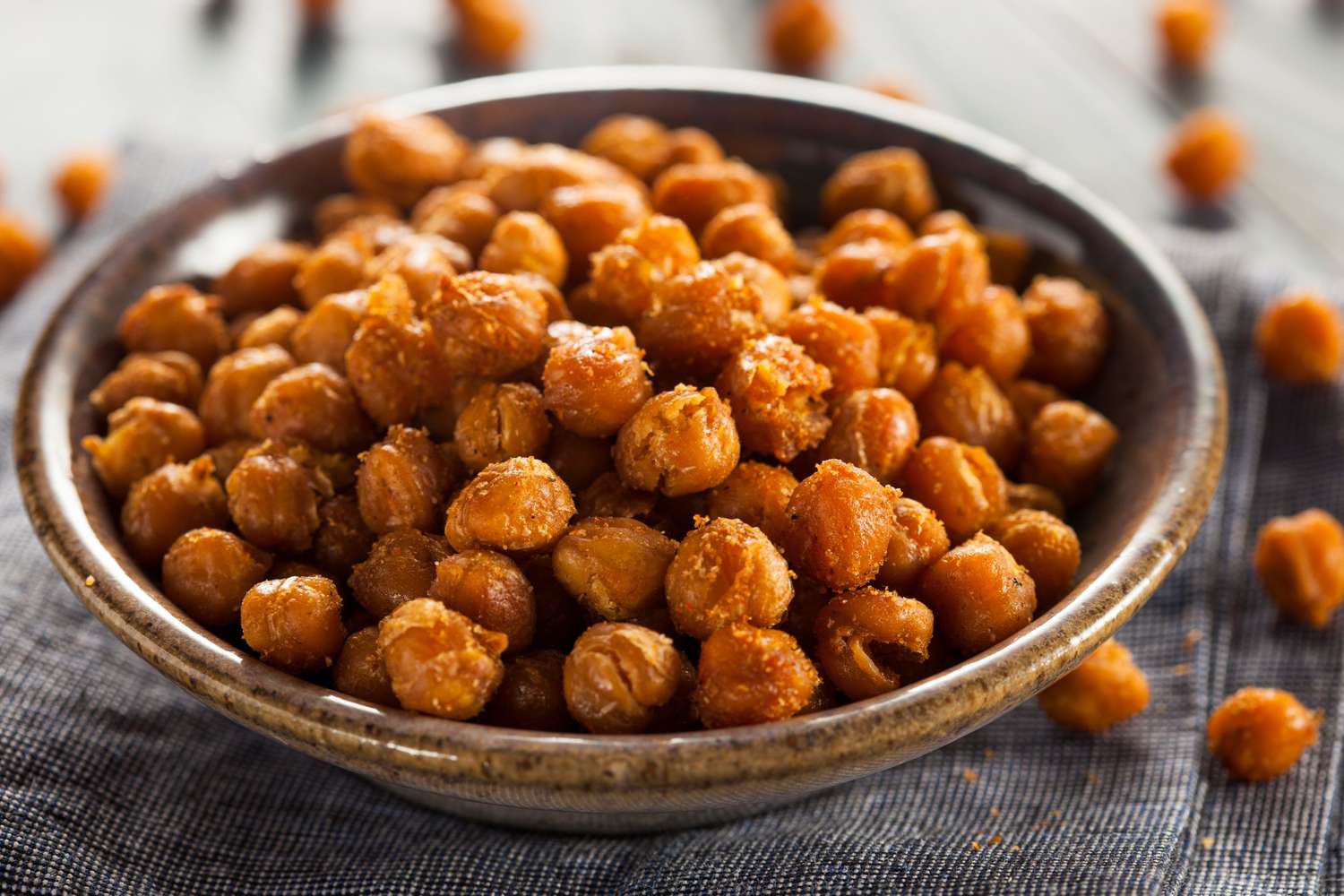
Roasted chickpeas are a crunchy, high-protein, high-fiber snack. Roasting improves their taste and texture and also increases the ease with which your body can absorb their minerals and antioxidants.
1. Increases Some Antioxidants
Roasted chickpeas (also called garbanzo beans) contain a variety of antioxidants that help protect against damaging free radicals (molecules that can damage cells and promote inflammation).
Roasting may boost certain antioxidants, such as polyphenols, in chickpeas, but can also decrease others, such as flavonoids.
2. Improves Mineral and Nutrient Absorption
Roasting breaks down phytic acid, making minerals easier to absorb. This process also boosts the availability of minerals and antioxidants, improving overall nutrient absorption.
Phytic acid is found in many legumes, nuts, and seeds. It binds to minerals such as calcium, zinc, and iron, decreasing their absorption.
3. Concentrates Nutrients
The roasting process reduces the chickpeas’ water content, which concentrates their nutrients. Key nutrients found in roasted chickpeas include:
- Fiber: Chickpeas are rich in dietary fiber, with a 1/2 cup containing approximately 17.9 grams. Dietary fiber is associated with lowering cholesterol, enhancing digestive health, and supporting healthy blood glucose levels.
- Protein: As an excellent source of plant-based protein, roasted chickpeas are an excellent option for people following vegetarian or vegan diets. One-half cup provides 7.5 grams of protein.
- Vitamins and minerals: Roasted chickpeas offer substantial amounts of essential vitamins and minerals, including vitamins A, B, C, and D, folate, magnesium, and potassium.
4. Enhances Taste and Texture for a Versatile, Healthy Snack
Roasted chickpeas are a crunchy and healthy alternative to chips and crackers, offering plant-based protein, fiber, and essential nutrients. You can season them with simple salt and pepper or with flavorful spices like paprika and allspice.
You can enjoy these crunchy snacks on their own or add them to salads and soups for an extra boost of nutrition, flavor, and texture. Whether you need a quick snack or a meal enhancement, roasted chickpeas are a delicious and healthy choice.
How to Roast Chickpeas
You can buy roasted chickpeas at your favorite store or prepare them yourself.
To make roasted chickpeas at home:
- Start with 1 cup of canned or cooked chickpeas.
- Drain and rinse the chickpeas thoroughly.
- Toss the chickpeas in olive oil and your choice of seasonings (e.g., salt, pepper, cumin, paprika, garlic powder).
- Spread the seasoned chickpeas evenly on a baking tray.
- Roast in the oven at 400 F (200 C) for 25 to 30 minutes, stirring occasionally, until they are golden and crunchy. You can also roast them in an air fryer.
- Allow the roasted chickpeas to cool before enjoying.
Drawbacks of Roasted Chickpeas
Most people can eat roasted chickpeas safely, but they have some drawbacks:
- The high fiber content may cause bloating and flatulence.
- Store-bought versions often contain high levels of sodium and sugar.
- High-temperature roasting can produce acrylamides, which may be harmful in large amounts and over long periods.
What Are the Health Benefits of Roasted Chickpeas?
Roasted chickpeas are a valuable source of protein, vitamins, minerals, and fiber, offering several potential health benefits:
- Weight management: Chickpeas have demonstrated potential benefits for weight control due to their high fiber content and filling effects. The protein and fiber content may help reduce appetite, which leads to decreased caloric intake.
- Blood sugar regulation: Chickpeas can help maintain healthy blood glucose levels. They have a low glycemic index (GI), indicating a slower rise in blood sugar after eating them. Low-GI foods aid blood sugar regulation. Additionally, the fiber and protein in roasted chickpeas further support balanced glucose levels.
- Digestive health support: Chickpeas contain primarily soluble fiber. Soluble fiber is associated with increased beneficial gut bacteria and reduced levels of harmful bacteria, possibly lowering the risk of digestive diseases. Further, chickpeas may boost digestive health by promoting regularity, stool consistency, and ease of bowel movements.
- Protection against chronic disease: Regular consumption of chickpeas may decrease the risk of chronic illnesses such as heart disease, cancer, and type 2 diabetes. This benefit is attributed to their rich supply of vitamins, minerals, and antioxidants, which help protect against these conditions.
- Promotes brain health: Chickpeas support cognitive function as a good source of choline. Choline is essential for the production of specific neurotransmitters that enable communication between nerve cells throughout the body. Adults need 425 to 550 mg of choline daily, and cooked chickpeas provide about 42.8 mg per 100 grams (a little less than 1 cup).
:max_bytes(150000):strip_icc()/lana-barhum-d731df9d86514add9c6e1bd5aa2d7233.jpg)