

:max_bytes(150000):strip_icc():format(jpeg)/5-Anti-Inflammatory-Vegetables-You-Should-Be-Eating-in-February-bc715cad233549eabf8010e6e7811131.jpg)
- February is a great time to experiment with seasonal produce rich in flavor and nutrition.
- Dietitians recommend leeks, romanesco, beets, purple sweet potatoes and Brussels sprouts.
- These vegetables are packed with anti-inflammatory nutrients that support long-term health.
February may feel like the longest month of winter, but it’s also a great time to embrace seasonal vegetables that support your health. Eating produce that’s in season isn’t just more flavorful and affordable—it’s often more nutrient-dense, since these vegetables are harvested at their peak. But that’s not all: many winter vegetables are chock-full of antioxidants and plant compounds that help fight inflammation, a key contributor to chronic and age-related conditions like heart disease and diabetes.
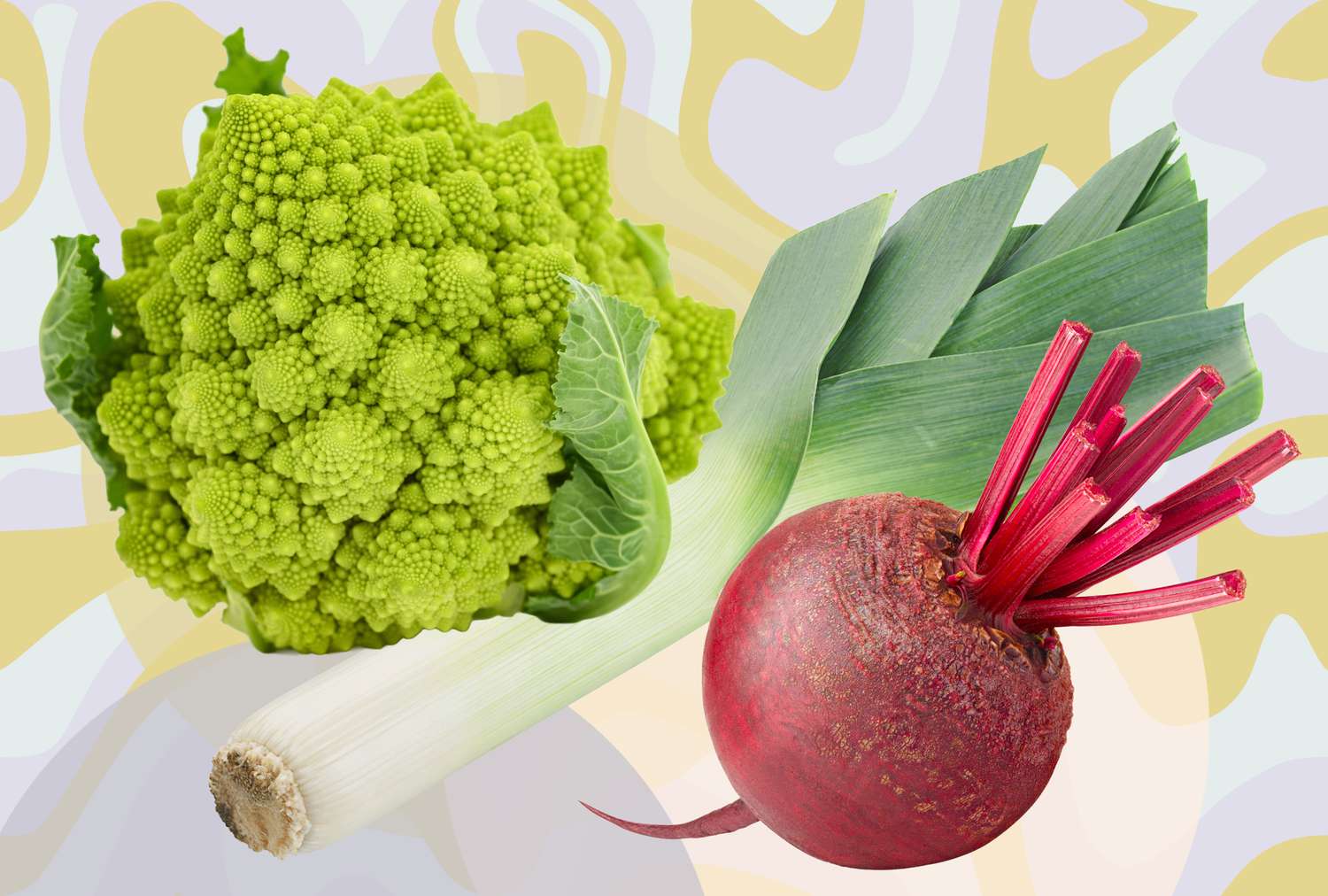
We spoke with registered dietitians to highlight five top anti-inflammatory veggies to enjoy in February.
1. Leeks
“Leeks are rich in antioxidants like flavonoids—especially kaempferol—and sulfur compounds like allicin,” explains Alexandria Hardy, RDN, LDN. Kaempferol is a strong antioxidant that helps neutralize free radicals and modulate the body’s inflammatory response, potentially reducing inflammation.
Research suggests kaempferol’s anti-inflammatory effects may benefit heart health. Chronic, low-grade inflammation contributes to plaque buildup in the arteries, which increases the risk of heart attacks and stroke. Early studies indicate that kaempferol may influence inflammatory pathways that involved in atherosclerosis.
Try roasting or sautéing leeks with olive oil and lemon for a flavorful side dish, or swap leeks in place of onions in soups and stews.
2. Romanesco
Romanesco is cauliflower’s spiky, colorful cousin, explains Sarah Gold Anzlovar, M.S., RDN, LDN. Like cauliflower and broccoli, romanesco is rich in glucosinolates, plant compounds that can be converted into anti-inflammatory substances such as sulforaphane. “Romanesco has been shown to have high free radical–scavenging capacities, which may help reduce inflammation and the risk of certain cancers,” adds Anzlovar.,
Like other cruciferous vegetables, romanesco is a good source of vitamin C, which also has antioxidant and anti-inflammatory properties. It’s high in fiber as well, supporting a healthy gut microbiome, which is linked to lower inflammation, adds Anzlovar.,
Romanesco cooks similarly to broccoli and cauliflower. Roast it with herbs and olive oil for a flavorful side, or add to soups, stews, salads or grain bowls.
3. Beets
Beets may stain your hands red or orange, but that shouldn’t stop you from adding these anti-inflammatory root vegetables to your meals. “Beets are rich in betalains, an antioxidant that has been shown to be anti-inflammatory and may lower the risk of cardiovascular disease and type 2 diabetes,” explains Anzlovar.,
Beets are also packed with nitrates, plant compounds with a wide range of potential health benefits. Anzolvar notes that nitrates may support heart health, improve athletic performance and reduce soreness after exercise.
Try cooked or raw beets in salads, blend them into pasta sauces or make a hearty borscht for a flavorful, nutrient-packed meal.
4. Purple Sweet Potatoes
Purple sweet potatoes are a nutrient-rich, colorful addition to any meal. “They contain anthocyanins, which are known to be anti-inflammatory and may have antidiabetic benefits by supporting insulin sensitivity,” says Anzlovar. They also contain flavonoids and flavonols, which are antioxidants that reduce inflammation and oxidative stress, potentially lowering the risk of metabolic diseases such as heart disease and certain cancers.
Experimenting with different types of sweet potatoes can provide a variety of nutrients and anti-inflammatory benefits, as each color offers unique antioxidants. For example, orange sweet potatoes are rich in carotenoids, which also have anti-inflammatory effects. Roast sweet potatoes and add to bowls or salads for a colorful, fiber-rich carbohydrate boost.
5. Brussels Sprouts
“Brussels sprouts contain glucoraphanin, a compound that becomes sulforaphane when the veggie is chopped or chewed,” explains Val Warner, M.S., RD, CSSD, CPT. “Sulforaphane from Brussels sprouts has been shown to have strong anti-inflammatory, neuroprotective and anticancer properties, helping to protect cells from oxidative stress and chronic inflammation,” she adds.
Brussels sprouts are a winter-friendly choice when it can be tricky to add more produce to your meals. Try shaving them and sautéing with shallots and dried fruit, or toss them into raw salads for a crunchy, nutrient-packed boost.
Our Expert Take
In the cold, dreary winter months, eating vegetables can sometimes feel like a chore—but it doesn’t have to be. Seasonal winter vegetables are not only more flavorful and often affordable, but they’re also rich in compounds that help reduce inflammation and support overall health. Roast, sauté or add these veggies to soups, bowls and salads to enjoy cozy nutrient-rich meals. Making these vegetables a regular part of your routine can go a long way toward supporting your health—even in the depths of winter.