

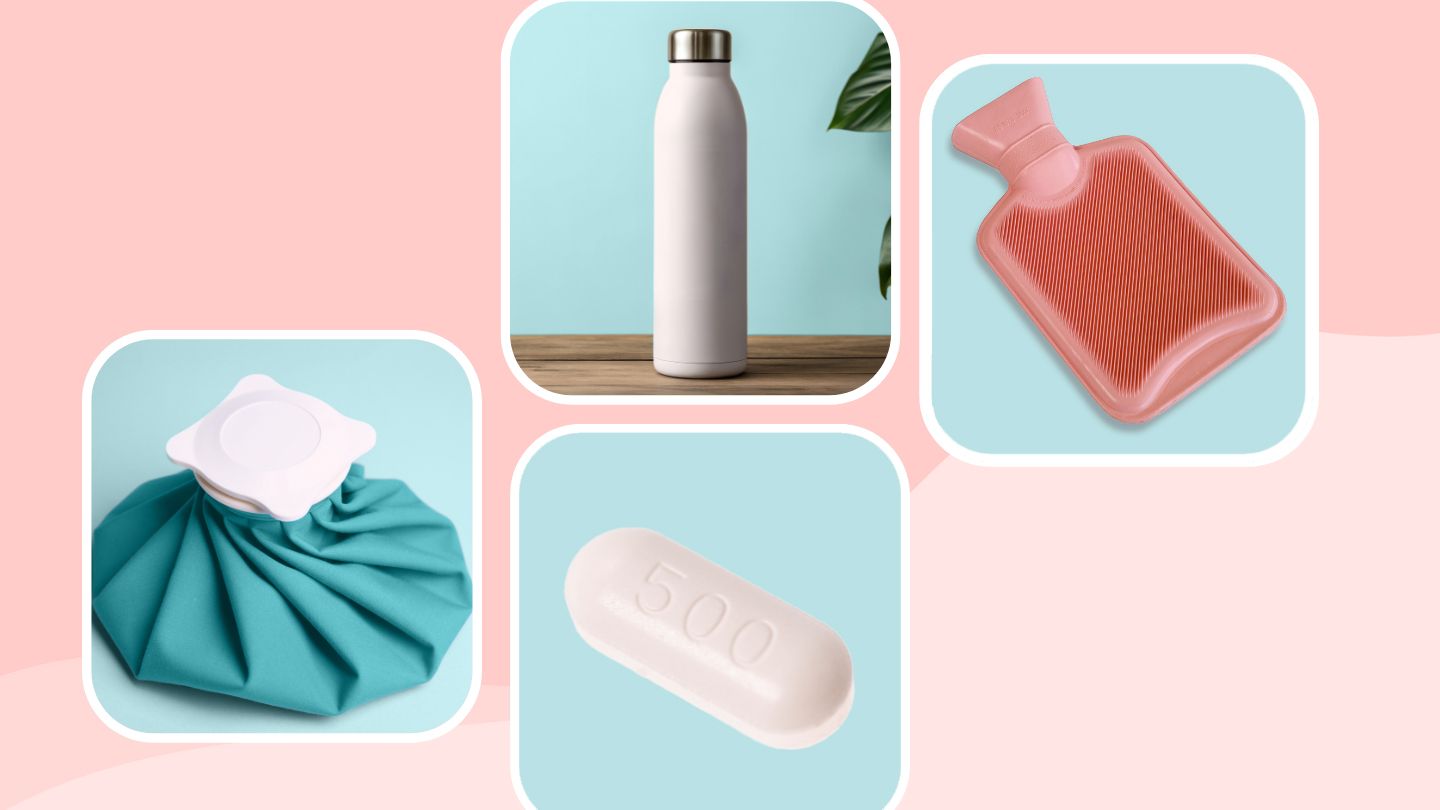
If you’ve ever had a kidney stone or broken bone, you know it can be debilitating. Acute pain that can result from an illness, injury, or surgery may be short term, but it still can get in the way of your daily activities and routines.
Your doctor will likely recommend a combination of over-the-counter pain-relieving medications and physical therapies, depending on the cause and severity of the pain. There are also many proven strategies you can try at home to manage acute pain. Here are a few to discuss with your healthcare provider.
1. Rely on the RICE Method
A good first step in addressing acute pain, especially for any type of musculoskeletal injury, is to try the RICE method, says Trishul Kapoor, MD, a pain management specialist at Cleveland Clinic in Twinsburg, Ohio.
- Rest Your body needs time to heal without risk of further damage. Resting gives your immune system a chance to respond to the damaged tissue.
- Ice Applying cold packs or ice packs to areas of inflammation causes the blood vessels to constrict, numbing the pain by slowing down nerve signals.
- Compression A stretchy compression bandage can help control severe swelling.
- Elevation Propping up the injured part of your body to a position that’s higher than your heart slows blood flow to the injury, which helps limit bleeding and lower blood pressure.
2. Try Nonopioid Pain Medications
Using both acetaminophen and NSAIDs on an alternating schedule can get you ahead of the pain. “Combining medications has been shown to provide maximal benefit and decrease the overall dosage of individual medications,” says Dr. Kapoor. You can switch between the recommended doses of acetaminophen and ibuprofen every six to eight hours.
Topical NSAIDs can be applied at the site of the pain and are effective in treating acute musculoskeletal sprains and strains. But make sure you’re applying them to an unbroken skin surface with no cuts or wounds.
3. Apply Temperature Therapies
Talk to your doctor about whether ice, heat, or a combination of both is best for the acute pain.
In general, ice is for inflammation and best for acute injuries, headaches, and migraine attacks, says Kapoor. If you don’t have a cold pack, a bag of frozen vegetables will do. Wrap whichever cold therapy you decide to use in a thin towel before applying it to the skin for no more than 15 to 20 minutes at a time. You can do this several times a day, for up to two weeks, but allow the skin to return to its normal temperature between applications.
You can also take a warm bath or shower, says Kapoor.
4. Remember to Hydrate
An easy at-home remedy for pain is to drink water. Water is vital for synovial fluid (joint lubricant) and spinal disk cushioning, preventing friction, shock absorption issues, and stiffness that cause pain, says Kapoor. Hydration helps flush out metabolic waste and toxins that trigger inflammation. Keeping yourself hydrated also helps:
- Deliver nutrients to tissues
- Maintain nerve function
- Promote healing
- Support overall bodily functions
5. Set Up Your Space for Recovery
- Remove throw rugs or anything that could contribute to a fall, which can endanger recovery.
- Sleep close to the bathroom, or keep a commode near your bed.
- Fluff up some extra pillows to cushion yourself while in resting position.
- Use grab bars when getting in and out of the tub.
- Reach out to others for help with shopping, meals, or cleaning.
Above all, pace yourself and be patient with the healing process. Talk to your doctor about a reasonable plan for managing acute pain from home. And let your doctor know if symptoms persist or get worse.
The Takeaway
- Acute pain is a sudden onset of pain that varies in intensity from annoying to debilitating and is usually caused by an underlying issue, such as illness, injury, or surgery.
- While there are prescription pain medicines and other intervention therapies available, sometimes the best approach is to manage pain from home with some simple strategies.
- Using the RICE method, temperature therapies, and over-the-counter pain medications are some of the ways you can manage acute pain at home on your own.