

Key Takeaways
- Easy ways to add potassium to your meals include swapping red meat for fish or plant proteins, replacing cream sauces with tomato, incorporating more leafy greens into meals, and snacking on yogurt or kefir.
- Potassium supports heart health, counteracting sodium’s elevating effects on blood pressure.
Potassium is an essential nutrient, yet most people do not consume enough. Little swaps and additions are easy ways to boost potassium in your meals and support overall health.
1. Include Beans
Beans are an excellent way to add more potassium to your meals. One cup of boiled black beans boasts 611 milligrams (mg) of potassium, and one cup of cooked chickpeas contains 477 mg of potassium.
Boiled beans often contain more potassium than canned beans, as the canning process can reduce potassium content. Still, simply adding more beans to your diet is a cost-effective and sustainable way to increase potassium in your meals.
Incorporate canned beans into salads, use them as a partial meat replacement, add them to dips, or create a bean-and-grain salad.
2. Toss in Leafy Greens
Leafy greens are packed with nutrients, including potassium. One cup of cooked spinach delivers 839 mg of potassium, whereas one cup of raw spinach provides 167 mg. This difference in potassium between raw and cooked spinach is due to volume. Cooked spinach is denser than raw spinach, so you get more of it in a given portion.
Other leafy greens, such as collards, kale, and Swiss chard, also contain potassium. Add cooked leafy greens to soups, stews, or pasta dishes, or enjoy them mixed with garlic as a side dish.
3. Choose Proteins with Potassium
Fish and plant proteins, such as tofu, tempeh, and legumes, are sources of potassium. Replacing red meat with one of these higher-potassium protein sources can be a great way to increase potassium at meals, without sacrificing protein or other nutrition goals.
A three-ounce serving of cooked salmon delivers 373 mg of potassium, more than the 287 mg found in lean flank steak. Plant-based protein sources are other great options for boosting potassium intake. Half a cup of firm tofu offers nearly 300 mg of potassium.
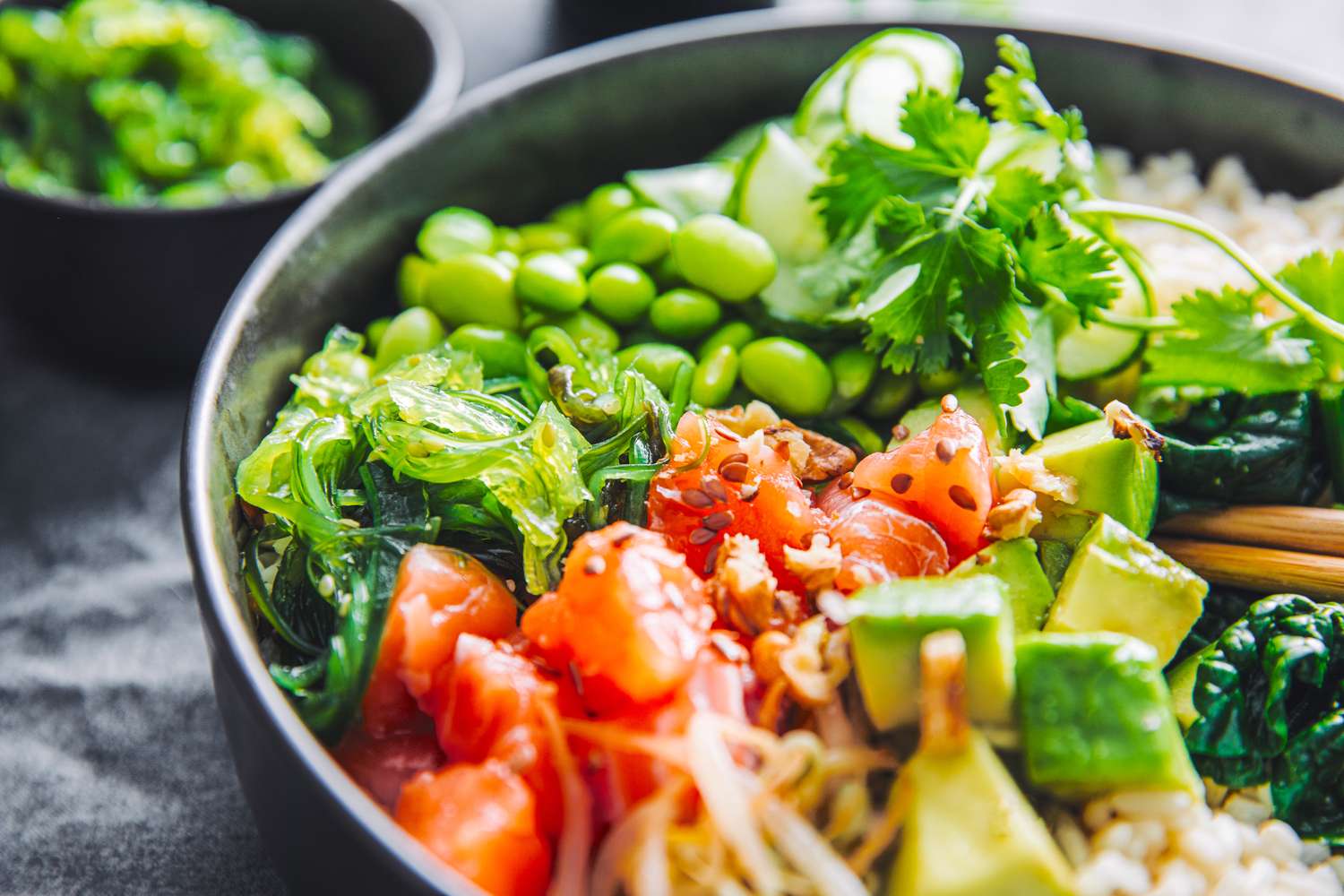
Roast salmon or create deconstructed sushi bowls with cooked salmon nuggets. Replace meat in stir-fries with tofu or shred tofu and use it in meat sauces, soups, or stews.
4. Use Tomato Sauce Instead of Cream-Based Sauces
Replace cream-based sauces with tomato sauces to up the potassium content of your meal. Make your own tomato sauce with canned, crushed tomatoes, which provide 355 mg of potassium per half-cup serving.
Important to note: Many tomato products may be high in sodium. Double-check nutrition labels and ingredient lists to ensure there’s no added salt.
5. Use Yogurt or Kefir
Dairy can be a great source of potassium. One cup of low-fat, plain kefir offers nearly 400 mg of potassium, and one seven-ounce container of Greek yogurt contains 282 mg. Besides their excellent potassium profile, yogurt and kefir are great sources of protein, calcium, and probiotics.
Use kefir or yogurt in smoothies or with breakfast cereals. Replace mayonnaise or sour cream in dips with yogurt.
How Much Potassium Do You Need?
| Adequate Intakes for Potassium | ||||
|---|---|---|---|---|
| Males | Females | Pregnancy | Lactation | |
| 19 and older | 3,400 mg | 2,600 mg | 2,900 mg | 2,800 mg |
Potassium needs may differ depending on your health status. Consult your healthcare provider to learn your specific potassium needs.
Why Potassium Is Important for Health
Potassium is the most abundant intracellular cation, existing in all tissues. It is essential for normal cell function, including regulating fluid balance and electrical signals in the body.
Potassium is essential for heart health, helping reduce high blood pressure, a significant risk factor for heart disease. Potassium increases sodium losses through urine and helps relax blood vessels, actions that lower blood pressure.
What Else You Need to Know About Potassium
- Potassium is water-soluble, meaning it dissolves in water. Therefore, boiling potassium-rich foods may reduce their nutrient content.
- People with advanced-stage kidney disease may need to consume less potassium. Only reduce potassium intake if your healthcare provider recommends it.
- Most people do not consume enough potassium in their diet. Small changes like those listed here can have a tremendous impact on increasing potassium in your meals to support heart and overall health.
:max_bytes(150000):strip_icc()/AmyBrownsteinMSRDN-db78b6b8ad074434b19ec5f9ca0a4313.jpg)