

Key Takeaways
- To manage IBS-C, enjoy low-FODMAP foods with fiber while avoiding ultra-processed, high-FODMAP foods.
- Some higher FODMAP foods, which act as natural laxatives because of their sorbitol and/or fiber content, can be tried in small amounts.
- Kiwis are low-FODMAP and show promising results in research studies for managing constipation.
Almost everyone who lives with irritable bowel syndrome (IBS) restricts their diet to avoid foods that cause symptoms, and most report reactions to certain foods. In IBS with constipation (IBS-C), the goal is to avoid foods that might worsen symptoms while including those that help make bowel movements softer and easier to pass.
AleksandarGeorgiev / Getty Images
Avoid: Highly Processed Foods
Processed foods have negative effects on human health. Processed foods are common in the American diet because of their low price, availability, and convenience. In IBS-C, cutting back on ultra-processed foods helps reduce symptoms.
Some ultra-processed or highly processed foods to avoid include:
- Breakfast cereals
- Carbonated soft drinks and energy drinks
- Fish sticks
- Hamburgers
- Ice cream
- Instant oatmeal
- Instant soups and noodles (including ramen)
- Margarines and sandwich spreads
- Mass-produced packaged breads and buns
- Packaged snacks (candy, chips, chocolate, cookies, cakes, and cake mixes)
- Pastries
- Pre-prepared pasta, pies, and pizza
- Processed meat products (including chicken nuggets, deli meat, hot dogs, and sausage)
Avoid: High FODMAP Foods
Guidelines for managing IBS recommend trying a diet that is low in fermentable oligosaccharides, disaccharides, monosaccharides, and polyols (FODMAPs). FODMAPs cause symptoms by fermenting in the gut, producing gas that leads to bloating and abdominal pain.
The low FODMAP diet is used under the guidance of a healthcare provider to avoid food restriction. A low FODMAP diet isn’t a way of eating forever; it’s used in phases. The goal is to return to a varied diet while avoiding symptoms.
Foods that are high in FODMAPs include:
- Beverages: Any carbonated or juice drinks that contain high fructose levels
- Dairy: Ice cream, milk, yogurt, frozen yogurt
- Fruits: Apples and apple juice, apricots, blackberries, cherries, dates, grapefruit, mango, pear, watermelon
- Grains: Barley, rye, wheat
- Non-dairy alternatives: Coconut milk, soy milk
- Processed meats: Sausages, hot dogs, salami, pepperoni, and most deli meats
- Tea: Strong black tea, chamomile, oolong, fennel, and chai
- Vegetables: Artichoke, asparagus, beans, cauliflower, garlic, leeks, mushrooms (including button and portabella), onion/shallots, sugar snap peas
Include: Low FODMAP Foods
Eating lower-FODMAP foods may help reduce IBS symptoms. Portion sizes matter here because some foods are high in FODMAPs when eaten in larger quantities.
Working with a healthcare provider to understand which foods and how much of them to include will be helpful. Because which foods are high in FODMAPs isn’t intuitive, using a tool or an app to look up foods is key.
Foods that are considered low FODMAP include:
- Beverages: Most types of wine, beer, spirits, coffee, drinks sweetened with sucrose, herbal tea (except those on the high FODMAP list), water
- Dairy: Cottage cheese; lactose-free ice cream, milk, or yogurt
- Fruits: Banana (unripe), grapes, kiwi, lemon, lime, mandarin orange, orange, papaya, pineapple
- Grains: Corn tortillas or chips, grits, gluten-free pastas, crackers and breads, oatmeal, potato, popcorn, rice, sourdough bread, quinoa
- Non-dairy alternatives: Almond milk, most cheeses, coconut yogurt, hemp milk
- Protein sources: Edamame, lentils, chickpeas (canned and rinsed), beef, chicken, eggs, fish and seafood, pork, turkey, tempeh, firm tofu
- Vegetables: Bok choy, broccoli, carrots, chives, cucumber, eggplant, kale, lettuce, mushroom (oyster), olives, radishes, spinach, tomatoes
The Case for Kiwi
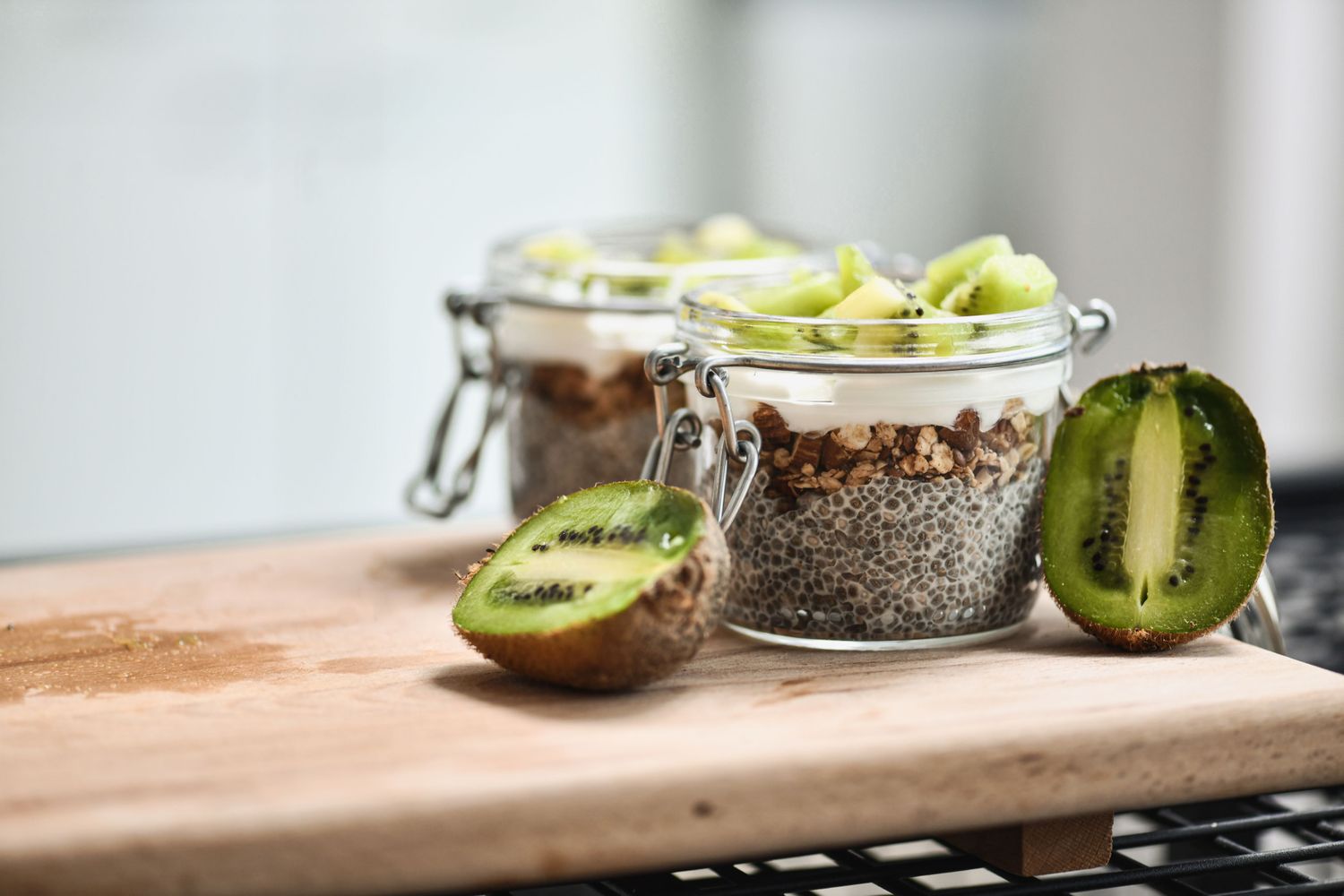
Kiwis are a good choice for people managing constipation. Studies show that people with IBS-C who eat two green kiwis a day for four weeks have more bowel movements and rely less on laxatives.
Kiwis are also low FODMAP, and the participants in the research studies didn’t have side effects from eating them.
Include: Natural Laxative Foods
Some foods have a laxative effect because they are high in fiber, which may help relieve constipation. These include:
- Ground flax seeds (1 tablespoon is low FODMAP)
- Chia seeds (2 tablespoons are low FODMAP)
- Oats (1/2 cup or less is low FODMAP)
- Oat bran (2 tablespoons is low FODMAP)
- Rice bran (2 tablespoons is low FODMAP)
Include When Tolerated: Higher FODMAP Laxative Foods
Another reason a food acts like a laxative is that it contains a form of sugar (sorbitol) that pulls water into the digestive system. These foods are higher in FODMAPs, so it’s important to try them in small portions and with care. Avoid these foods in the restrictive phase of the low FODMAP diet:
- Apricots (2 is low FODMAP)
- Figs (1 is low FODMAP)
- Plums (1-2 small red or yellow plums are low FODMAP)
- Prunes (1-2 small prunes are low FODMAP)
:max_bytes(150000):strip_icc()/AmberJ.Tresca_1000-03288146de15463da9ec7713d9c70c40.jpg)