

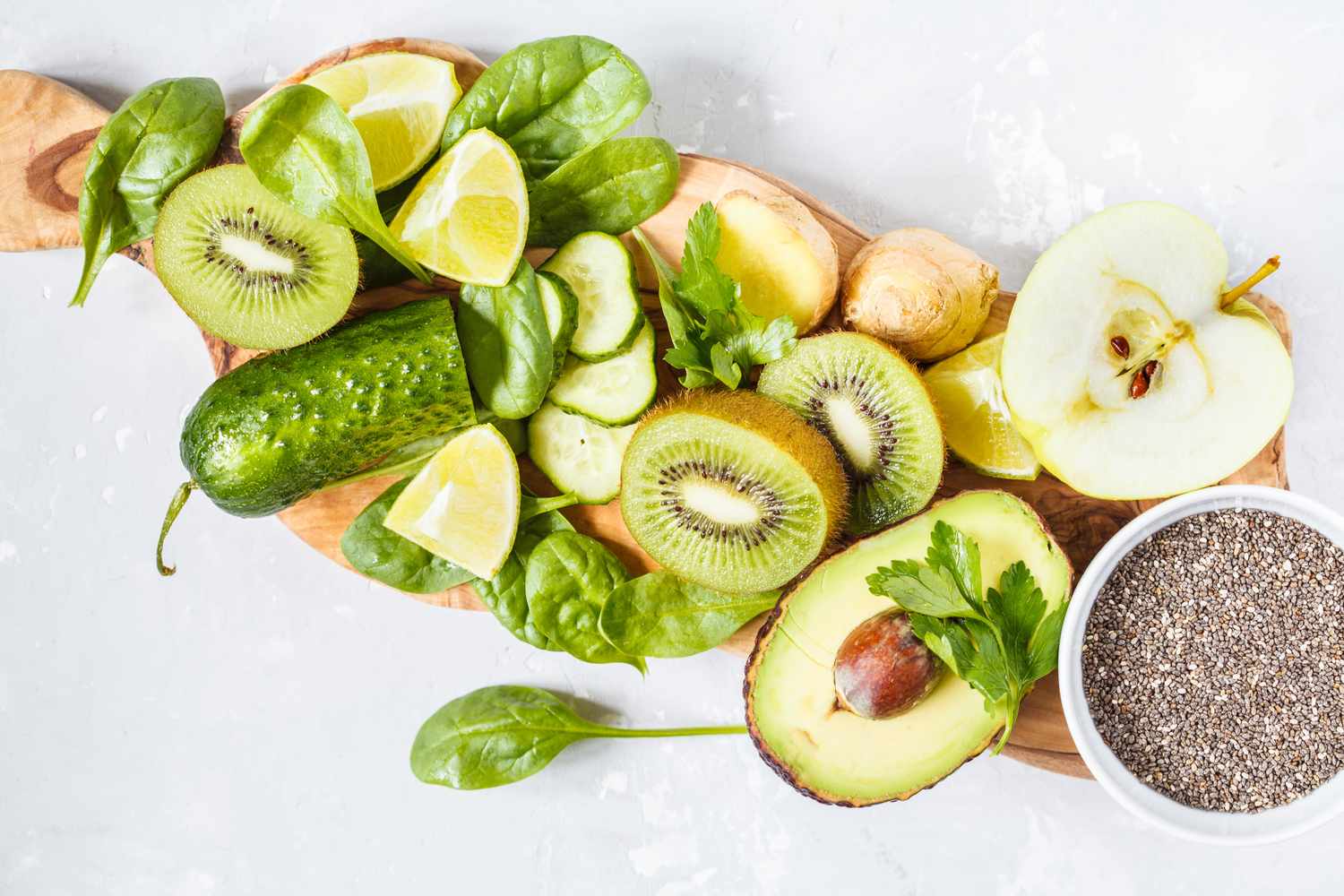
Biohacker Bryan Johnson recently claimed that the green powder AG1 doesn’t deliver meaningful benefits for gut health or anything else.
Despite being marketed as a blend of more than 75 ingredients, AG1 provides just about 2 grams of fiber per serving. That’s a small amount for anyone trying to meet daily fiber needs. In contrast, some whole foods can actually supply nearly a full day’s worth of fiber in a single serving.
1. Black Beans
Inna Brailchuk / Getty Images
Fiber in 100-g serving: 6.69 g
Black beans—whether dried for your pantry or canned for a quick side—are a rich source of fiber.
Research has linked regular black bean consumption to lower inflammation and improved insulin sensitivity, both of which are tied to a lower risk of chronic conditions such as heart disease and diabetes. Beyond supporting digestion, the fiber in black beans may also help maintain a healthy balance of gut bacteria.
2. Almonds
limpido / Getty Images
Fiber in 100-g serving: 10.8 g
Almonds can support health in several ways, including helping maintain healthy blood pressure and cholesterol levels, and supporting blood sugar control and weight management.
For people diagnosed with metabolic syndrome, some research suggests that eating almonds daily may help improve markers linked to chronic disease risk.
Almonds are easy to use in homemade trail mix and baked goods, and they add crunch to salads, vegetable dishes, and even blended soups.
3. Chia Seeds
olhakozachenko / Getty Images
Fiber in 100-g serving: 34.4 g
Fiber in 2 tablespoons: 9.75 g
Tiny as they are, chia seeds are known as a superfood for a reason. They pack a lot of nutrition for their size, including an impressive amount of fiber.
Research has linked chia seeds to better blood sugar control, antioxidant benefits, and improved bowel movement for people prone to constipation. They’re also a solid source of omega-3 fatty acids, which are associated with heart health.
It’s best to soak chia seeds before eating them to avoid digestive issues.
4. Passion Fruit
Jenny Dettrick / Getty Images
Fiber in 100-gram serving: 10.4 g
Fiber in 1 cup (236 g): 24.5 g
You’d be hard-pressed to find fruit that packs more fiber than passion fruit. If hitting your daily fiber goal is your passion… this is the way.
The fruit is also bursting with juicy nutrients like potassium, vitamin C, beta-carotene, folate, and vitamin A. Its pulp also contains polyphenols, antioxidants, and probiotics to support everything from healthy skin to a happy gut.
You can eat it raw, cut up slices for sandwiches or slivers for salads, or blend it into a smoothie.
5. Artichoke
Jennifer A Smith / Getty Images
Fiber in 100-g serving: 5.4 g
Fiber in one medium artichoke: 6.9 g
Artichokes are a standout fiber-rich vegetable with several added health benefits. Some of their bioactive compounds are linked to improved heart health and liver support.
Artichokes also provide key vitamins and minerals, including magnesium, potassium, and vitamin C, which play roles in sleep, blood pressure regulation, and overall disease risk.
They’re naturally fat-free and lower in carbohydrates and calories than many starchy vegetables, which may help with weight management.
Artichokes are best known as a key ingredient in creamy spinach dip, but they can also be roasted, grilled, or braised as a side, added to casseroles, or used as a pizza topping.
6. Avocado
Westend61 / Getty Images
Fiber in 100-g serving: 6.7 g
Fiber in one avocado: 10 g
One medium avocado provides a significant amount of both soluble and insoluble fiber. Avocados are rich in monounsaturated fats, which can help improve cholesterol levels and support overall heart health.
They can be sliced or mashed for toast, blended into smoothies, or chopped into salads and grain bowls. Avocados are also commonly used to make guacamole, added to sandwiches and wraps, or used as a creamy topping for eggs, soups, and tacos.
:max_bytes(150000):strip_icc()/norman-dd595cddde654266bd40199db77e316f.jpg)