

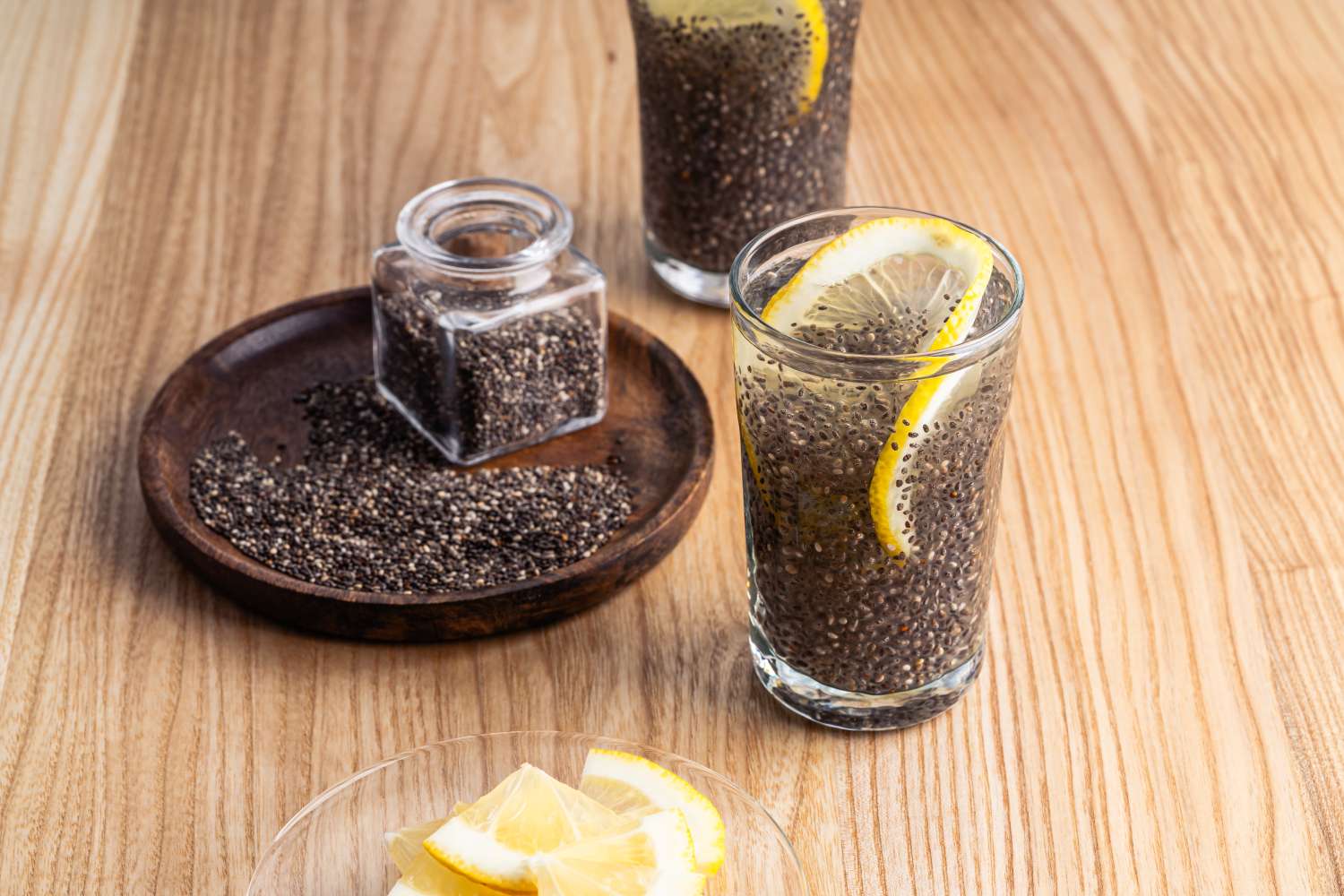
Key Takeaways
- Chia seeds offer numerous health benefits, including lowering blood fat and cholesterol levels, reducing blood pressure, regulating blood glucose levels, and supporting gut health.
- Eating chia seeds in moderation shouldn’t have a substantial impact on the effects of most medications.
- Eating more than the daily serving of chia seeds consistently could amplify some medication effects. Talk with your medical provider if you are taking these medications.
Chia seeds can interact with the action of certain medications, potentially altering their effectiveness or increasing the risk of side effects. Since recipes that include chia seeds are becoming increasingly popular, it’s important for you to know whether you could be at risk of a harmful chia seed/medication interaction. Keep in mind that a standard serving of chia seeds is about 2.5 tablespoons a day.
1. Blood Pressure Medications
Research suggests that consuming 1 to 2 tablespoons of Chia seeds daily may help lower blood pressure. This effect might be beneficial for managing high blood pressure (hypertension). Chia seeds contribute to lowering blood pressure by supporting mineral balance and enhancing heart function.
Chia seeds may also lower blood pressure in a way similar to angiotensin-converting enzyme (ACE) inhibitors, a group of medications used to treat high blood pressure. These drugs work by blocking a process that leads to blood vessel narrowing and fluid retention, which can cause hypertension. Components in chia seeds can similarly block this process.
If you use blood pressure medications or have low blood pressure, it’s important to consult a healthcare provider before consuming more than three tablespoons of chia seeds each day.
2. Diabetes Medication
Chia seeds may help regulate blood sugar by preventing high blood sugar. However, if you’re using diabetes medication to control your blood sugar, consuming chia seeds could potentially lower it too much, risking hypoglycemia (low blood sugar). Symptoms of hypoglycemia include low energy, dizziness, lightheadedness, feeling cold, and fainting.
Consult a healthcare provider to discuss how to prevent interactions between large amounts of chia seeds and diabetes medications.
3. Cholesterol Lowering Therapies
Chia seeds may help improve blood fat and cholesterol levels, including low-density lipoprotein (LDL), high-density lipoprotein (HDL), triglycerides, and total cholesterol.
High blood fat and cholesterol levels increase the risk of vascular disease, heart disease, and stroke. While medications can lower these levels, it’s important to maintain them within a healthy range, as your body needs fat and cholesterol for essential functions.
If you’re taking cholesterol-lowering medications and regularly consuming large amounts of chia seeds, consult with a healthcare provider to discuss your cholesterol levels.
4. Mineral Supplements
Chia seeds are a rich source of minerals, especially calcium, magnesium, phosphorus, and potassium. It’s essential for your health to obtain a sufficient intake of minerals.
If you are taking mineral supplements and you also have kidney problems, consuming too much of these minerals through your diet can lead to excessive amounts in your blood. Symptoms may include fatigue, muscle aches and pains, or muscle twitches.
A few servings of food containing chia seeds every now and then shouldn’t be a problem. Still, if you’re eating large amounts of chia seeds along with mineral supplements, you should consult a healthcare provider to see if you need to get your blood mineral levels checked.
5. Stool Softeners or Laxatives
Regular bowel movements can be aided by consuming chia seeds. However, if you take stool softeners or laxatives, the additive effect of chia seeds can contribute to having loose stools or diarrhea.
6. Medications Affected By Timing With Food Intake
Chia seeds can affect the absorption of certain medications due to their impact on the digestive system.
The timing of when you take your medication can affect how much of the medication you absorb, how quickly it works, and how long the effects last. Some medicines should be taken with food, while others should be taken before or after meals.
If you take medications and also consume chia seeds, consult your pharmacist to determine the best timing for your meals containing chia seeds in relation to your medication dose.
:max_bytes(150000):strip_icc()/Heidi-Moawad-MD-1000-2792fc644ba54e05a6e82c8a25ae988f.jpg)