

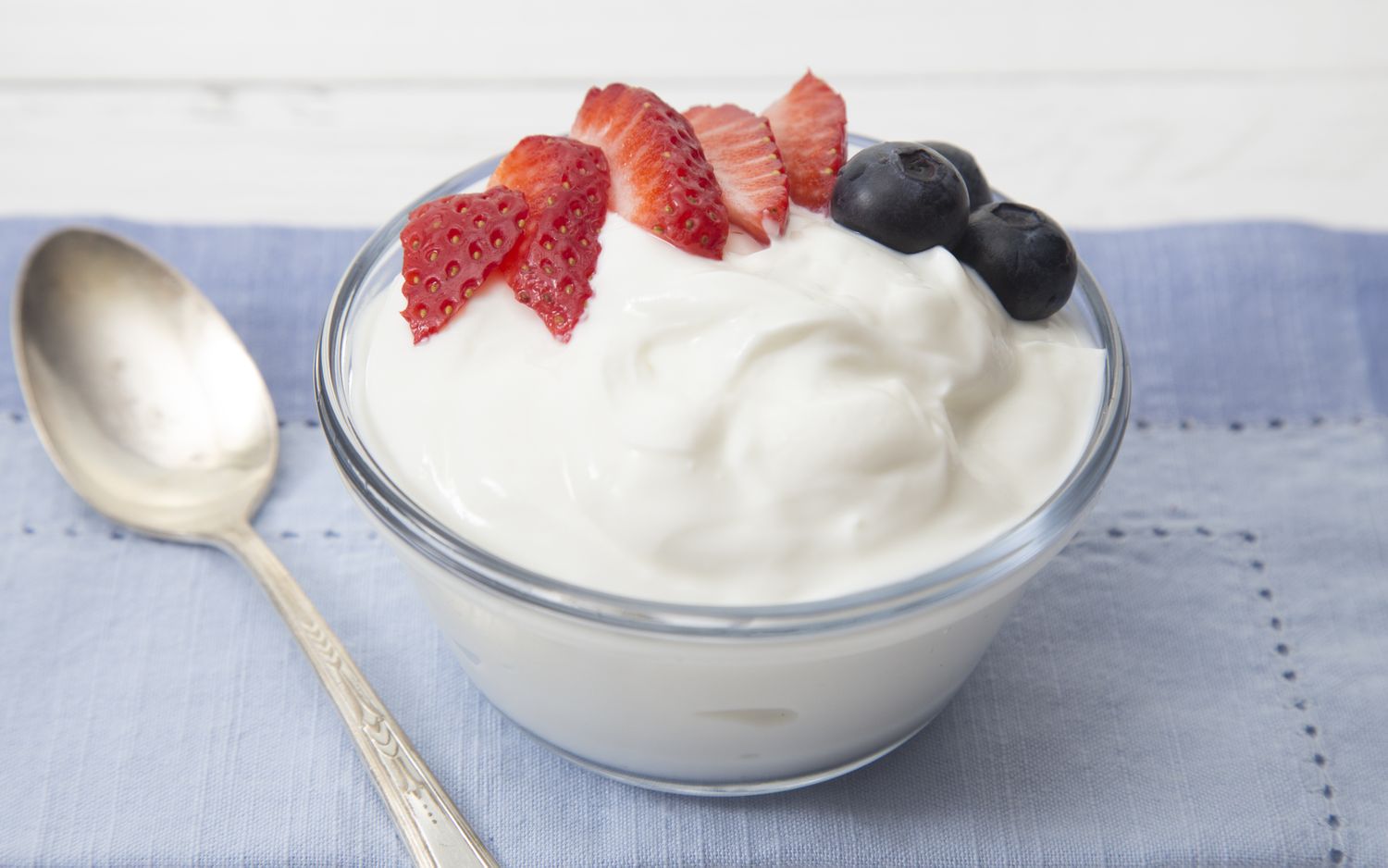
Protein is an essential nutrient that helps you maintain and build muscle, among other things. Eating Greek yogurt is a good way to get enough protein in your day, with a 100-gram serving providing about 10 grams of protein. That said, other snacks can provide more protein per serving if increasing your intake is your goal.
1. Beef Jerky
jirkaejc / Getty Images
Protein: 33.2 grams (g)
Serving size: 100 g
A 100-gram serving of beef jerky, which is about a cup, provides a significant 33.2 grams of protein. Beef jerky also contains several important vitamins and minerals, including:
- Iron
- Calcium
- Magnesium
- Phosphorous
- Zinc
- Folate
Things to Consider When Choosing Beef Jerky
While it’s high in protein, jerky is also typically very high in sodium and fat per serving. Consider eating it mindfully and in moderation.
2. Cottage Cheese
Anna Blazhuk / Getty Images
Protein: 11.6 g
Serving size: 100 g
Cottage cheese is a soft cheese made from unaged milk curds and cream. In a 100-gram serving, which is roughly a half cup, you can expect to get 11.6 grams of protein.
Cottage cheese is often considered a health food because it’s low in calories and fat, depending on the type, and contains various other essential nutrients, such as:
- Calcium
- Magnesium
- Iodine
- Biotin
- Vitamin A
- Vitamin B12
How to Use Cottage Cheese
Cottage cheese can be eaten on its own, mixed into both sweet and savoury dishes, or used in place of other cheeses in dips or pasta.
3. Tuna
Kinga Krzeminska / Getty Images
Protein: 19 g
Serving size: 100 g
Tuna is a saltwater fish that is often canned. It can be used in a variety of different ways, but eating it as a snack is a great way to get a low-calorie, low-fat protein boost.
A 100-gram serving (roughly a half cup) of light tuna canned in water contains 19 grams of protein, just 90 calories, and less than 1 gram of fat. Tuna is also high in:
- Iron
- Niacin
- Vitamin B12
- Vitamin D
Can You Eat Tuna Every Day?
While tuna is generally considered healthy, it can contain small traces of mercury. Because of that, experts recommend eating no more than nine ounces per week.
4. Edamame
Olga Pankova / Getty Images
Protein: 11.9 g
Serving size: 100 g
Edamame are soybeans that are harvested before they mature. They can be steamed, boiled, or fried, and are commonly eaten in Asian cuisine.
A 100-gram serving of edamame (about two-thirds of a cup) offers 11.9 grams of protein, alongside other nutrients, including:
- Fiber
- Iron
- Magnesium
- Phosphorus
- Potassium
- Zinc
- Vitamin C
- Folate
- Choline
Health Benefits of Eating Edamame
Eating edamame regularly may help reduce the risk of heart disease, osteoporosis, and some types of cancer.
5. Skyr
towfiqu ahamed / Getty Images
Protein: 11.3 g
Serving size: 100 g
Skyr, or Icelandic yogurt, is another yogurt option that provides a bit more protein per serving than Greek yogurt.
One 100-gram serving of plain skyr provides 11.3 grams of protein and 80 calories. It also contains some:
- Calcium
- Potassium
- Vitamin A
The Difference Between Skyr and Greek Yogurt
These types of yogurt are made differently. Skyr is made with skim milk and strained more than Greek yogurt, giving it a thicker texture and a milder taste.
6. Watermelon Seeds
Xvision / Getty Images
Protein: 28.3 g
Serving size: 100 g
Watermelon seeds aren’t as mainstream as other seeds, but they pack a punch in terms of protein per serving. A large 100-gram serving of dried watermelon seeds provides 28.3 grams of protein.
They are also rich in other nutrients, including:
Watermelon Seeds Are Calorie-Dense
Even with their high protein content, watermelon seeds may not be the go-to snack for everyone, especially those watching their calorie or fat intake. The 100-gram serving it takes to get 28.3 grams of protein also contains 47 grams of fat and 557 calories. Try opting for smaller portions, which may still offer more protein than Greek yogurt.
:max_bytes(150000):strip_icc()/VerywellBioPicAngelicaBottaro-203f7e803ab444b2b5c13b4252d11159.JPG)