

Rice is a staple in kitchens around the world, but on its own, it’s relatively low in protein, with just nearly 4.5 grams of protein per cooked cup. Adding protein to your rice can help make meals more satisfying, support muscle mass, and keep you full longer.
1. Cook It in Bone Broth
Cook rice in bone broth instead of water to boost the protein content. The protein content of bone broth varies depending on the preparation method and the type of meat. Still, one cup of beef bone broth can contain between 2.5 and 9 grams of protein. It can add up if you’re using multiple cups to prepare a batch of rice.
Bone broth shouldn’t replace other high-protein additions, but it can be an easy way to incrementally increase the protein content of your meal.
2. Add Silken Tofu
Silken tofu has a neutral, mild taste that lends well to a variety of flavors. Unlike firm tofu, silken tofu is unpressed, resulting in a softer, more liquid texture.
Blend silken tofu into a creamy sauce, then stir it into your rice. Silken tofu provides nearly 5 grams of protein per 100-gram (3.5-ounce) portion. Alternatively, top your rice with slices of silken tofu instead of blended silken tofu to boost protein content.
3. Stir in an Egg
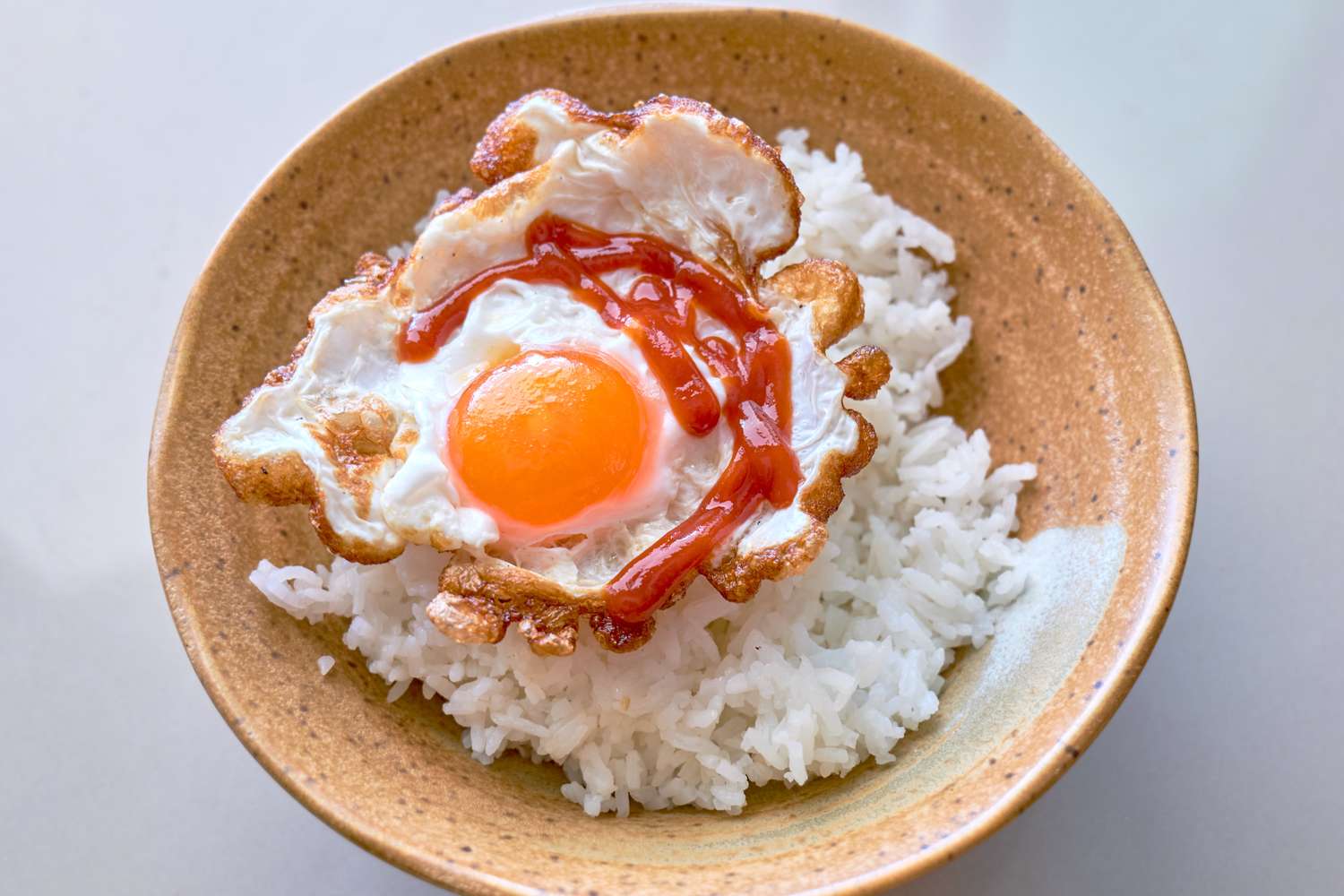
Eggs are a great addition to rice to boost its protein content. One large egg delivers 6 grams of protein, plus other essential nutrients like choline. Add additional eggs to boost protein content even more. Scramble an egg directly into hot rice, fold in a soft-boiled egg, or top your bowl with a fried egg for a more substantial meal.
4. Pair with Meat
Pair rice with an animal-based protein, such as chicken, tofu, beef, or fish. A 3.5-ounce serving of these protein-rich foods provides 20 to 30 grams of protein, enough for a satisfying, filling meal. Adding a dedicated protein source is one of the most effective ways to transform rice from a side dish into a balanced entree that supports fullness (satiety), blood sugar, and muscle mass.
5. Top with Yogurt or Skyr
Top savory rice bowls with a dollop of Greek yogurt or skyr for a creamy, protein-packed addition. Both options are strained dairy products, meaning they’re higher in protein than traditional yogurt. Depending on the brand, a 7-ounce container of Greek yogurt can contain nearly 20 grams of protein. Choose plain varieties to limit added sugar and increase versatility. Season yogurt with herbs, lemon juice, or spices to complement your dish.
6. Include Legumes
Stir in beans, lentils, or edamame. Legumes are a great source of protein and fiber. With their slightly neutral taste, legumes can be easily mixed with other protein sources to create a more filling, protein-packed rice dish. One cup of legumes provides 15-18 grams of protein. For convenience, use canned beans (rinsed to reduce sodium) or frozen shelled edamame. Quickly heat and add to cooked rice.
:max_bytes(150000):strip_icc()/AmyBrownsteinMSRDN-db78b6b8ad074434b19ec5f9ca0a4313.jpg)