

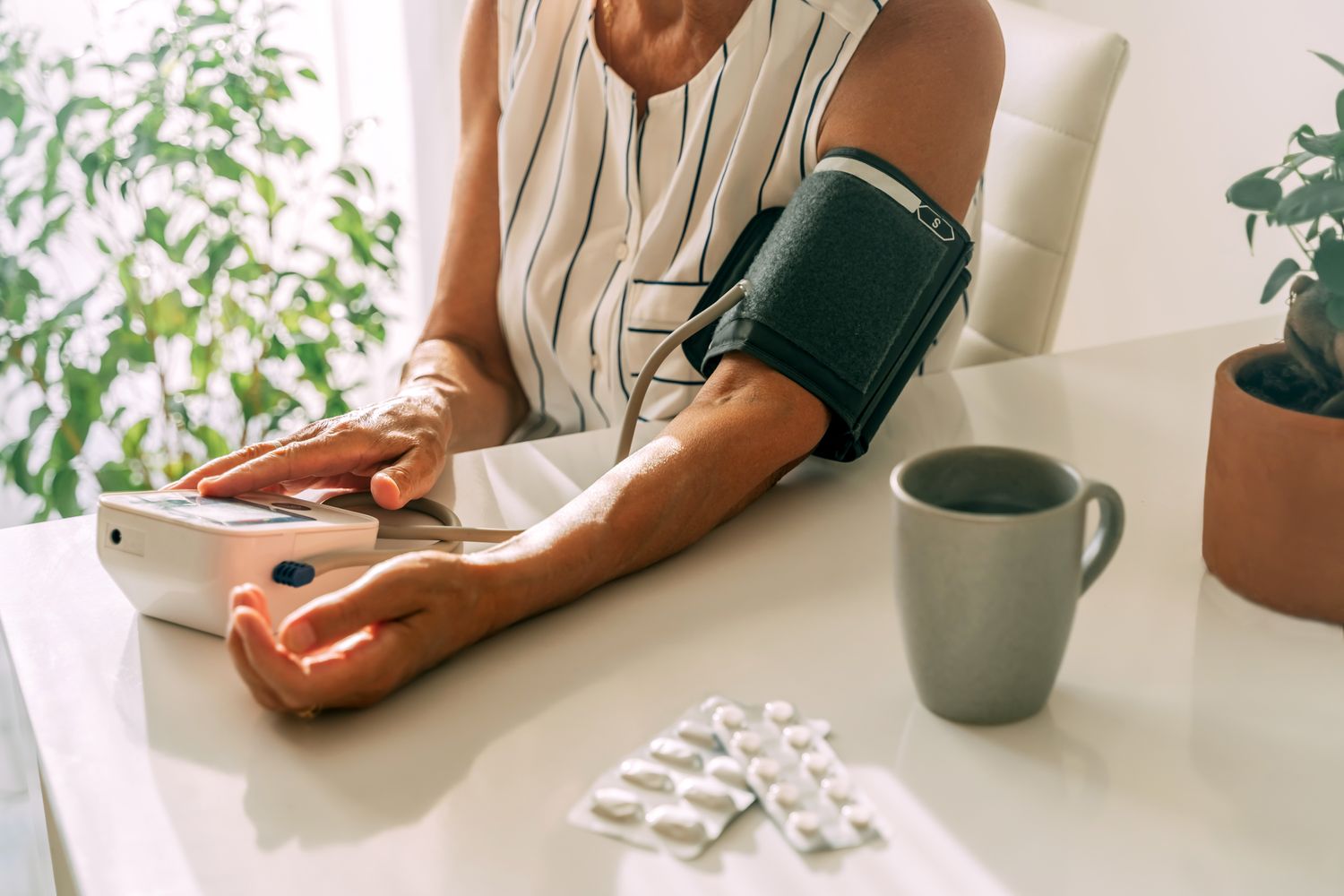
If you are one of the 44% of adults in the U.S. with high blood pressure (hypertension), be mindful that many foods and drinks increase your blood pressure and can counteract the effects of medications.
1. High-Salt Foods
nycshooter / Getty Images
- Eating too much salt increases blood pressure.
- High-salt foods cause the body to hold on to (retain) sodium and fluids, which makes the heart work harder to pump blood to the body.
- These foods also stress the body’s renin-angiotensin-aldosterone system (RAAS), making it less effective at controlling blood pressure.
- Foods that are high in salt include processed foods, pizza, breads, meats, soups, and tacos.
2. Caffeinated Beverages
Malik Evren / Getty Images
- Caffeine is a natural stimulant that temporarily increases blood pressure, especially in people who do not consume it regularly.
- Caffeine can increase blood pressure for two to six hours, though effects vary from person to person.
- High doses of caffeine are more likely to cause blood pressure spikes, so aim to limit caffeine to less than 400 milligrams (mg) a day.
- Caffeine is a significant component in popular beverages, including coffee, tea, energy drinks, sports drinks, and sodas.
3. Sugary Beverages
Nutthaseth Vanchaichana / Getty Images
- Sugar-sweetened beverages, such as sodas and fruit juices, increase your risk of developing high blood pressure and heart disease.
- Added sugars in these drinks can cause weight gain and damage blood vessels.
- Even calorie-free beverages, such as artificially sweetened diet sodas, can contribute to increased blood pressure.
4. Alcohol
Nelson Hernandez Chitiva / Getty Images
- Drinking alcohol regularly increases your blood pressure.
- Alcohol affects the RAAS, causing the body to retain sodium and fluids, which increases blood pressure.
- Alcohol also dulls sensors in your body that regulate blood pressure (baroreceptors).
- Binge drinking (consuming large amounts of alcohol at one time) can also cause a blood pressure spike due to an increase in cortisol in the blood.
5. Licorice
limpido / Getty Images
- Licorice root and products that contain it (teas, cookies, and candies) can raise blood pressure, even at low doses.
- Licorice contains a compound that boosts levels of the stress hormone cortisol in the body. Higher cortisol levels cause the body to retain sodium, leading to increased blood pressure.
6. Saturated Fats
Lauri Patterson / Getty Images
- Saturated fatty acids increase your risk of high blood pressure and heart disease.
- Diets high in saturated fats increase levels of the angiotensin-converting enzyme (ACE), which in turn raises blood pressure.
- Foods high in saturated fatty acids include coconut oil, red meat, and high-fat dairy products.
7. Fruit Juice
RuslanDashinsky / Getty Images
- Some fruit juices interact with blood pressure medications by changing how quickly they are broken down in the body (metabolized). This affects how well the medications work.
- Apple juice lowers the level of Tenormin (atenolol) in your body, making this blood pressure medication less effective.
- Grapefruit juice can lower the effectiveness of the blood pressure medicine Cozaar (losartan).
How to Lower Your Blood Pressure With Diet and Exercise
- Opt for foods that naturally lower blood pressure. These include green, leafy vegetables; fruits; nuts; yogurt; eggs; whole grains; soy; and legumes. Avoid or limit foods and drinks that can increase your blood pressure, such as those high in salt or added sugars.
- Implement a heart-healthy diet. The Dietary Approaches to Stop Hypertension (DASH) diet, the Mediterranean diet, as well as vegan and vegetarian diets, have all been proven to help control blood pressure. If you’re unsure where to start, consult your healthcare provider, pharmacist, or a registered dietitian for personalized recommendations.
- Consider dietary supplements, such as vitamin C, magnesium, and beetroot juice, which may help lower blood pressure. However, be sure to discuss this with your healthcare provider or pharmacist before adding supplements to your medication regimen.
- Get moving. Exercising for just 30 minutes a day lowers your blood pressure for the next 24 hours. Take your pick of “cardio” (aerobic exercise) or resistance training; both types of exercise help control blood pressure.
:max_bytes(150000):strip_icc()/meganhs11-0550977a84f84b89966cf1799ce2bfb1.jpeg)