

:max_bytes(150000):strip_icc():format(jpeg)/VWH-GettyImages-2185740798-db171a02d6e341ef86780929a83f5d9f.jpg)
Key Takeaways
- Potassium is a type of electrolyte that helps your bones, muscles, and nerves work properly.
- Although potatoes are known for their potassium content, there are other foods that are high in the nutrient.
- Some health conditions can affect how much potassium you need every day, so check with a healthcare provider about your needs.
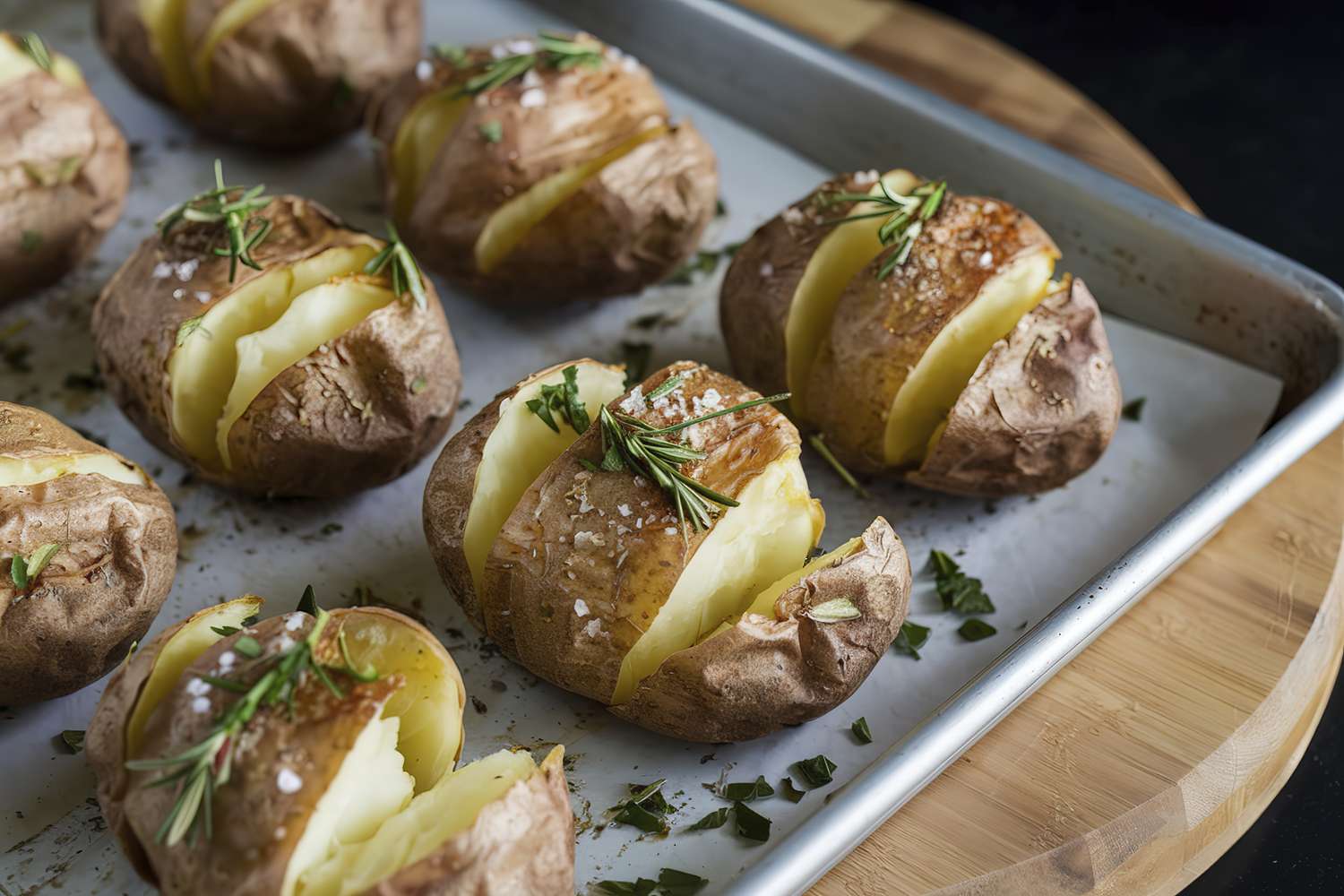
Potatoes are known for being high in potassium. In fact, one medium potato has 620 milligrams (mg) of potassium, or 18% of the recommended daily value for men and 24% for women.
If you’re looking to increase your potassium intake, consider these high-potassium foods beyond potatoes for a great boost.
1. Avocado
DewaldKirsten / Getty Images
Potassium: 690 mg
Serving size: 1 fruit
Avocado has become a very popular food in recent years, and with good reason. It’s versatile, a good source of healthy fats, and a rich source of potassium.
Use avocado on toast, in salads, or in your favorite dishes. You can even add avocado to smoothies or to baked goods as a butter substitute.
2. Beet Greens
Kinga Krzeminska / Getty Images
Potassium: 1,309 mg
Serving size: 1 cup, cooked
If you’ve ever bought beets with the stems and greens still attached, then you know what beet greens are. One cup of cooked beet greens has an amazing 1,309 mg of potassium and only 39 calories.
You can eat beet greens as a side dish, toss them into salads, or blend them into your favorite smoothies for a potassium-rich food choice.
3. Lima Beans
YelenaYemchuk / Getty Images
Potassium: 969 mg
Serving size: 1 cup, cooked
This veggie may not be an everyday part of some people’s diet. However, if you’re looking to boost your potassium, add lima beans to the rotation. Top fresh salads with lima beans, or cook the beans with a blend of your favorite herbs to season them well.
4. Prune Juice
YelenaYemchuk / Getty Images
Potassium: 707 mg
Serving size: 1 cup
One cup of prune juice is loaded with potassium. Prune juice also supports digestive health due to its fiber content, which acts as a natural laxative.
Prune juice is also high in natural sugar. If you have prediabetes or diabetes, check in with your healthcare team before you drink prune juice regularly.
5. Swiss Chard
JulijaDmitrijeva / Getty Images
Potassium: 961 mg
Serving size: 1 cup, cooked
Swiss chard is packed with potassium, clocking in at 961 mg per one-cup serving.
There are lots of great ways to enjoy Swiss chard:
- Add it to salads.
- Throw some into your soups.
- Use it in quiches.
- Sneak some into your smoothies.
6. Spinach
Kavya K / Getty Images
Potassium: 839 mg
Serving size: 1 cup, cooked
Add potassium to the list of health benefits of spinach. One cup of this dark, leafy green contains 839 mg of potassium and just 41 calories. Add other nutritional benefits, such as an added dose of vitamins A and C, and spinach remains a nutritional powerhouse.
Enjoy spinach by sauteeing it with garlic and olive oil. Or, use it as a base for salads. Consider eating spinach with a healthy fat, such as avocado, to maximize its nutrient absorption.
7. Sweet Potatoes
DronG / Getty Images
Potassium: 754 mg
Serving size: 1 cup, mashed
You can enjoy sweet potatoes, a Thanksgiving staple, year-round to reap its health benefits. In addition to fiber and vitamins A and C, one cup of mashed sweet potato contains plenty of potassium. Get additional health benefits by enjoying sweet potatoes with the skin on.
If you usually load on the butter, brown sugar, and marshmallows when you make mashed sweet potatoes, consider scaling back on these ingredients or forgoing them entirely for a more balanced, potassium-packed treat.
What About Bananas?
Although one medium banana has a decent amount of potassium, at 422 mg, it can’t beat these other potassium powerhouses.
Why Is Potassium Important?
Potassium is an electrolyte, a mineral that plays many roles in how your body functions. Other examples of electrolytes include sodium and magnesium.
Potassium helps your body with:
- Bone health
- Heart health
- Movement of nutrients into your cells
- Muscle contraction
- Nerve function
How Much Potassium Do I Need Daily?
The recommended amount of potassium you need depends on health factors including your age, sex, and underlying health conditions.
Generally speaking, adult men need 3,400 mg of potassium daily, and women need 2,600 mg. If you are pregnant or breastfeeding, you may need more.
Some people may have different potassium needs. This includes those who:
- Use medications like diuretics or laxatives
- Have Crohn’s disease or ulcerative colitis, both of which are types of inflammatory bowel disease
- Have certain types of kidney disease, which can cause potassium levels to become too low or too high, potentially causing serious health complications
Talk to your doctor about your potassium needs if you have these or other health conditions.
Signs of Potassium Deficiency
Although many people may not meet their daily recommended potassium amount, it’s less common to have a severe deficiency.
Symptoms of a potassium deficiency include:
- Constipation
- Feeling fatigued
- Heart palpitations
- Muscular weakness
- Numbness or tingling
See a healthcare professional if you have signs of a potassium deficiency to help pinpoint and address the cause.