

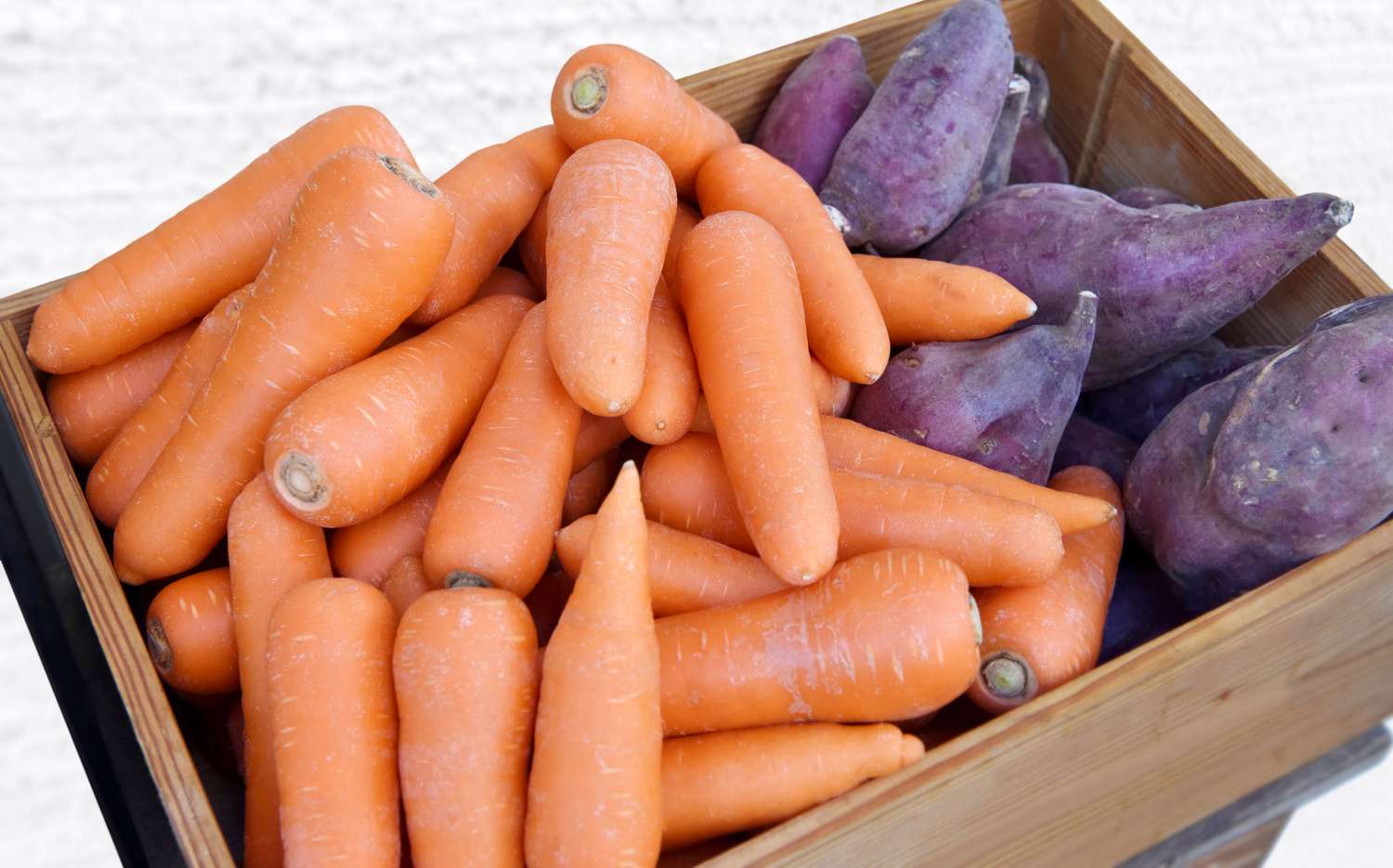
Sweet potatoes provide a good amount of vitamin A; one small baked sweet potato contains 577 micrograms (mcg). However, foods like liver, butternut squash, spinach, and carrots contain even more vitamin A.
1. Liver
ALLEKO / Getty Images
Vitamin A: 6,580 mcg in 3 ounces (oz) of pan-fried beef liver
You can find the highest vitamin A levels in liver—chicken, beef, and lamb. One serving of liver provides more than the recommended daily intake of vitamin A. Beef liver is also an excellent source of protein, iron, and B vitamins.
2. Liverwurst
gbh007 / Getty Images
Vitamin A: 1,500 mcg per 18-gram slice
Liverwurst is a sausage made from liver and ground meat, and its vitamin A content varies depending on the specific ingredients. Liverwurst is also rich in protein and B vitamins. Similar to eating liver, one serving supplies more than your daily requirement of vitamin A.
3. Butternut Squash
bhofack2 / Getty Images
Vitamin A: 1,140 mcg in 1 cup baked
Butternut squash is packed with nutrients, offering a range of vitamins, minerals, and antioxidants. It supports skin and heart health, helps strengthen your immune system, and contains just 82 calories and 6.5 grams of fiber per cup.
4. Spinach
SUNGSU HAN / Getty Images
Vitamin A: 943 mcg in 1 cup cooked
Spinach is a nutrient-dense leafy green vegetable, high in vitamins, minerals, and antioxidants, offering a range of health benefits. Benefits include:
- Reducing oxidative stress caused by free radicals (unstable molecules that can damage cells and lead to chronic conditions)
- Supporting eye health
- Reducing the risk of cancer and other chronic conditions
- Assisting with blood pressure regulation
5. Carrots
voltan1 / Getty Images
Vitamin A: 665 mcg in 1/2 cup cooked slices
Carrots are root vegetables. They are a rich source of beta-carotene, a carotenoid the body converts into vitamin A. They also provide fiber, vitamin K1, potassium, and antioxidants. Carrots are also low in calories, with a half cup yielding 27.3 calories.
6. Tuna
Fudio / Getty Images
Vitamin A: 643 mcg in 3 oz bluefin tuna, cooked
Fresh tuna is a fatty fish packed with nutrients. High in protein and omega-3 fatty acids that support heart health, tuna also provides vitamin A, vitamin B12, calcium, iron, and phosphorus. Additionally, tuna is both low in calories and carbohydrates.
7. Cod Liver Oil
Kinga Krzeminska / Getty Images
Vitamin A: 1,350 mcg in 1 teaspoon
Cod liver oil is a dietary supplement rich in essential nutrients. It is a significant source of omega-3 fatty acids and vitamins A and D. It has been associated with various health benefits, including support for cardiovascular, joint, and immune system function.
A single teaspoon of cod liver oil provides 1,350 micrograms of vitamin A. This amount exceeds the recommended daily allowance for vitamin A. Unless specifically advised by a healthcare professional, regular supplementation with cod liver oil is not recommended, as an excessive intake can elevate the risk of liver toxicity.
How Much Vitamin A Do You Need Daily?
The recommended daily intake (RDA) of vitamin A is 900 micrograms for males aged 14 and older, and 700 micrograms for females aged 19 and older. For children, the RDA varies by age and ranges from 400 to 600 micrograms.
Vitamin A has two primary sources: animal products such as liver and certain types of fish, and plant-based foods such as butternut squash and sweet potatoes.
This vitamin is vital for immune system function, cell growth, vision, and maintaining the health of the heart, lungs, eyes, and other organs. It also plays a role in fetal development.
In addition to these benefits, vitamin A—when paired with vitamin C—acts as a powerful antioxidant that protects from damage caused by free radicals.
:max_bytes(150000):strip_icc()/lana-barhum-d731df9d86514add9c6e1bd5aa2d7233.jpg)