

Magnesium plays a vital role in managing blood pressure, strengthening bones, regulating blood sugar levels, and maintaining a steady heart rhythm, among other benefits. While magnesium supplements can help maintain adequate levels, adding magnesium-rich foods to your diet is also helpful, with numerous options available.
1. Nuts and Seeds
Penpak Ngamsathain / Getty Images
Several varieties of nuts and seeds stand out for their impressive magnesium levels:
- Almonds: An ounce of dry-roasted almonds contains 80 milligrams (mg) of magnesium, which is 19% of the recommended daily value (DV). Almond-based products, such as almond butter, are also rich in magnesium.
- Cashews: Just 1 ounce of dry-roasted cashews has 74 mg of magnesium (18% DV).
- Hemp seeds: Three tablespoons provide 210 mg of magnesium (50% DV), as well as healthy fats, fiber, and all essential amino acids.
- Pumpkin seeds: One ounce provides 165 mg of magnesium (37% DV), along with protein, fiber, and good fats.
2. Legumes
Beppe Castro / Getty Images
Legumes, which include peas, beans, and lentils, are packed with nutrients like protein, folate, fiber, iron, and both polyunsaturated and monounsaturated fats.
Magnesium-rich legumes include:
- Black beans: High in protein, fiber, and magnesium—1 cup of cooked black beans contains 120 mg of magnesium, around 28% of the recommended DV.
- Lentils: A plant-based protein, lentils are loaded with magnesium, fiber, folate, potassium, and iron. One cup of cooked lentils (198 grams) provides 71.3 mg of magnesium, about 17% of the recommended DV.
- Edamame: These young green soybeans supply 50 mg of magnesium per half-cup serving, which is 12% of the recommended DV. Edamame also contains good amounts of fiber and protein.
3. Whole Grains
Al Gonzalez / Getty Images
Whole grains offer plenty of fiber and magnesium. They include:
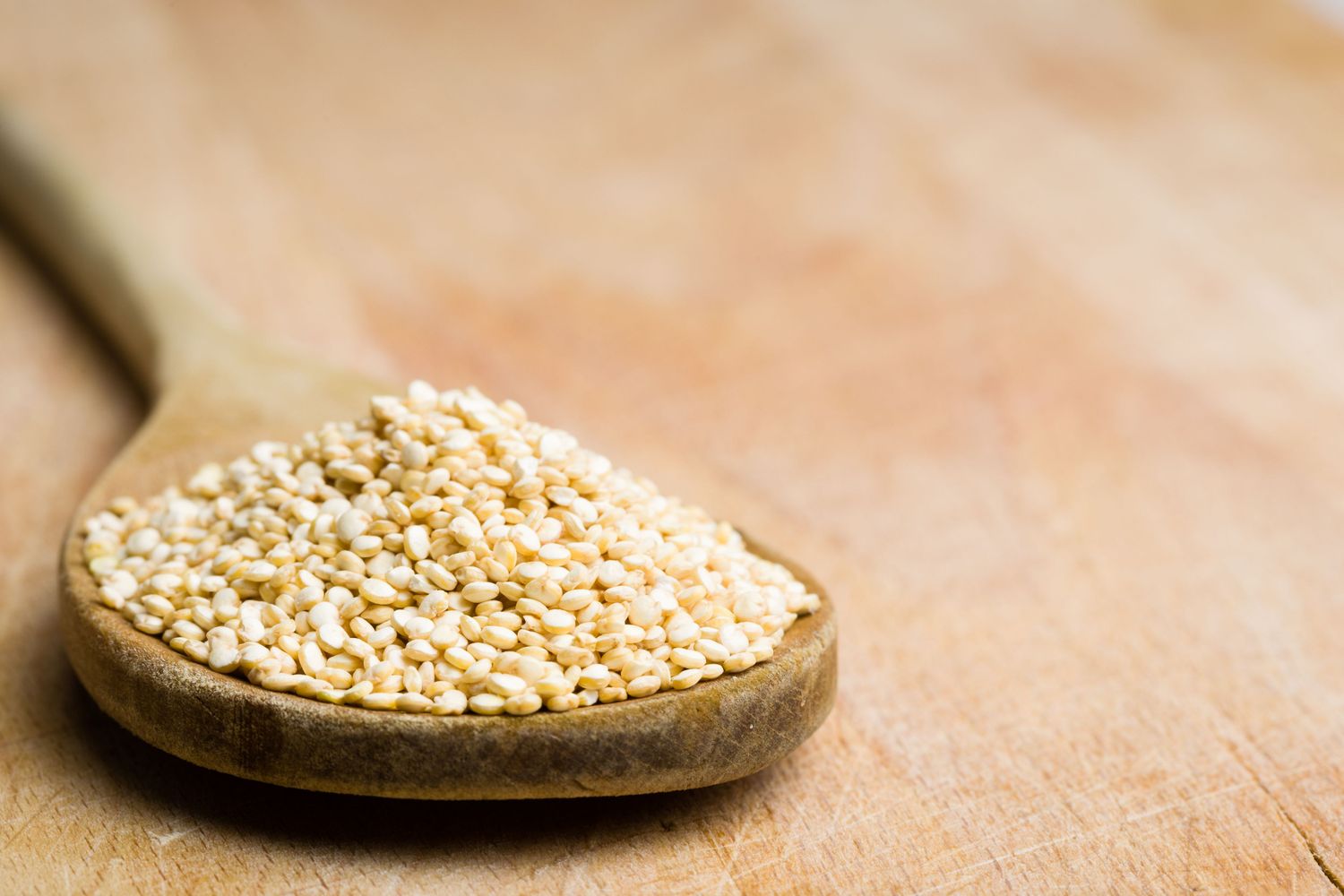
- Quinoa: This plant-based protein is cooked like pasta or rice, and one cup delivers 118 mg of magnesium. Quinoa also provides a good amount of fiber and iron.
- Buckwheat: While buckwheat isn’t technically a cereal grain, it contains edible seeds packed with nutrients. One cup of cooked, roasted buckwheat groats (kernels) provides roughly 85.7 mg of magnesium.
- Whole wheat: You can boost your intake of magnesium, selenium, and folate by choosing whole wheat breads, crackers, or pasta over refined white varieties. A slice of whole wheat bread contains about 25 mg of magnesium, while six whole wheat crackers provide approximately 30.8 mg.
4. Dairy
Nednapa / Getty Images
While dairy products are often highlighted for their calcium, they also provide magnesium:
- American cheese: One slice (30 grams) of American cheese provides 10.4 mg of magnesium, along with 450 mg of calcium and 4.68 grams of protein.
- Low-fat milk: One cup of low-fat milk provides about 30.8 mg of magnesium (about 7% of the recommended DV), 132 mg of calcium, and 3.43 grams of protein.
- Greek non-fat yogurt: A typical Greek non-fat yogurt container (156 grams) contains 16.7 mg of magnesium, 173 mg of calcium, and 16.1 grams of protein.
5. Fruits
Sadasiba Behera / Getty Images
Fruits rich in magnesium include:
- Prickly pear: This sweet, berry-flavored fruit provides about 87.6 mg of magnesium per serving. The prickly pear also provides nutrients such as potassium and calcium.
- Dried figs: These are packed with fiber and multiple vitamins and minerals. A cup of dried figs supplies 101 mg of magnesium, covering 24% of the daily recommended value.
- Bananas: A medium banana provides 31.9 mg of magnesium. Bananas are also rich sources of fiber, potassium, vitamin B6, and a range of antioxidants and phytonutrients.
6. Vegetables
VeselovaElena / Getty Images
A number of vegetables, including dark leafy greens, are rich in magnesium.
- Cooked spinach: Spinach is a leafy green vegetable that is low in calories and high in vitamins, minerals, and antioxidants. It contains high levels of vitamins A, C, and K, as well as fiber, iron, calcium, and magnesium. One-half cup of cooked spinach contains 78 mg of magnesium, which helps you to meet 19% of the recommended DV.
- Potatoes: A 3.5-ounce baked potato with its skin provides 43 mg of magnesium, helping you to meet 10% of the recommended DV. Potatoes are also a rich source of vitamin C and potassium.
- Sweet corn: One half cup (about 100 grams) of sweet corn contains 21.9 mg of magnesium.
7. Dark Chocolate
wawrzyniak.asia / Getty Images
Dark chocolate provides a substantial amount of magnesium. A 3.5-ounce (100-gram) bar can contain between 48 and 129 mg, depending on its cocoa percentage and brand. Dark chocolate is also packed with iron, copper, and manganese.
Alongside these minerals, dark chocolate is rich in antioxidants, which help counteract free radicals—harmful molecules linked to chronic diseases. These antioxidants support healthy blood circulation in both the brain and heart and also offer anti-inflammatory benefits.
How Much Magnesium Do You Need?
The recommended daily allowance of magnesium is 420 mg for most adult males and 320 mg for adult females. Dosage requirements vary based on factors like age and underlying health conditions.
For pregnant individuals aged 18 years and older, the daily magnesium requirement increases to 350 to 360 mg. Teenagers are advised to consume 360-410 mg per day, while younger children require significantly lower amounts.
:max_bytes(150000):strip_icc()/lana-barhum-d731df9d86514add9c6e1bd5aa2d7233.jpg)