

Key Takeaways
- Vitamin C supports the immune system by protecting immune cells, reducing inflammation, and supporting illness recovery.
- Fruits are one of the most natural ways to increase vitamin C intake and support immune health.
- Eating a variety of fruits each week helps ensure adequate vitamin C intake.
Vitamin C supports immune health and function. Because fruits are especially rich in vitamin C, understanding which ones provide the highest amounts can help you adjust your eating habits to meet your health needs.
1. Acerola Cherries
FLAVIO BENEDITO CONCEIÇÃO / Getty Images
Vitamin C: 1,680 milligrams (mg) per 100-gram (g)
Acerola cherries are one of the richest natural sources of vitamin C. Because they don’t stay fresh for long, they’re often available in other forms, such as frozen blends and powders. One tablespoon of acerola cherry powder can deliver more vitamin C than many vitamin supplements.
2. Camu-Camu
Lew Robertson / Getty Images
Vitamin C: 2,000-3,000 mg per 100 g
Camu camu is a small, tart berry native to the Amazon rainforest. Both the outer peel and inner fruit have a strong vitamin C concentration. However, the fruit is not widely available in the United States. Therefore, camu-camu is most commonly available in other forms like powders or capsules.
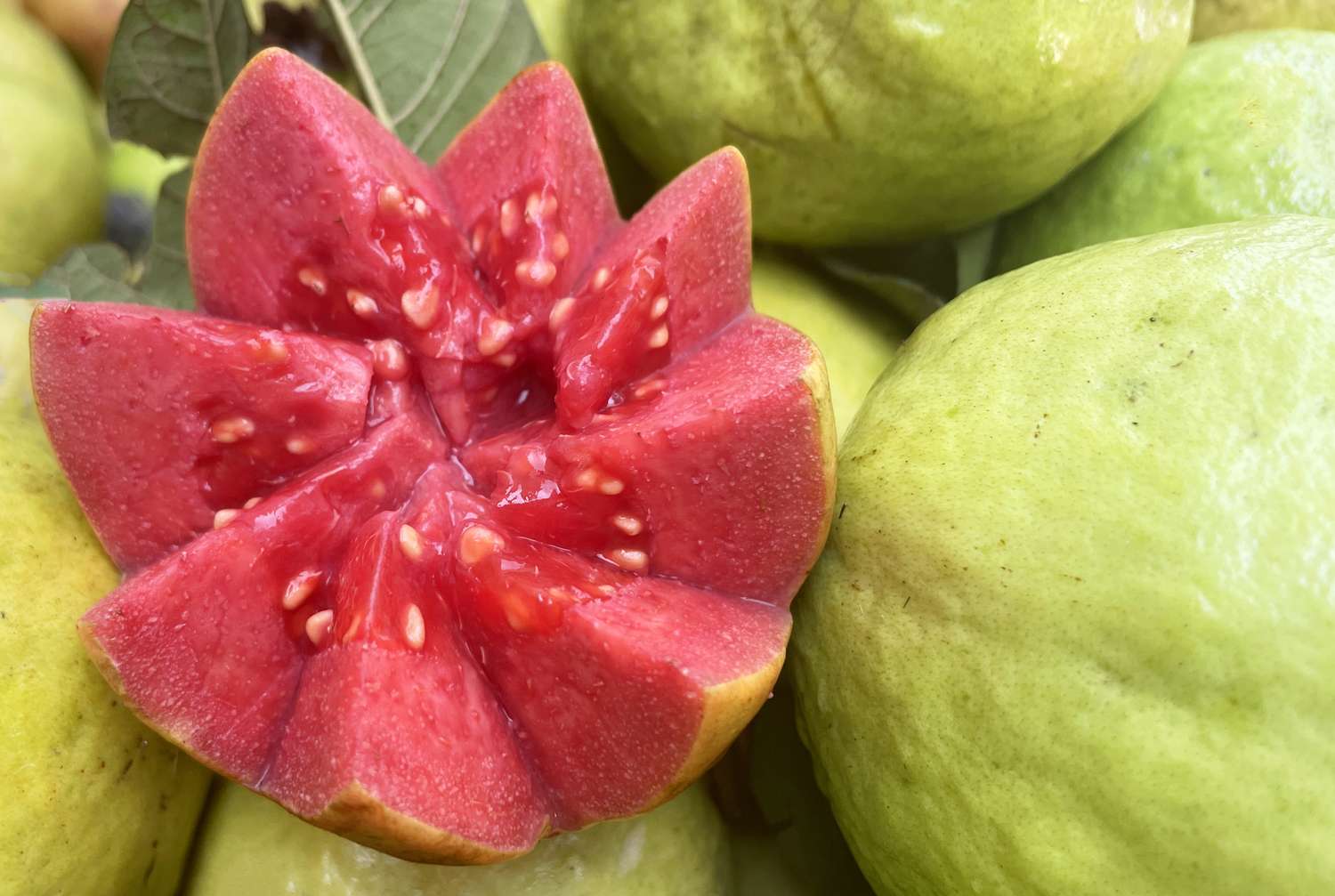
3. Guava
Wokephoto17 / Getty Images
Vitamin C: 228 mg per 100 g
Guava is a tropical fruit that is native to Central and South America. It delivers a high dose of vitamin C in a single serving. Unlike some other fruit sources high in vitamin C, guava can be enjoyed fresh. It may also be added to smoothies or other dishes, making it a versatile option.
4. Kiwi
lacaosa / Getty Images
Vitamin C: 75 mg per 100 g
Kiwi is a type of fruit with a tart yet sweet taste. It’s packed with vitamin C, but also rich in fiber and potassium to further support immune function and reduce inflammation.
5. Papaya
insjoy / Getty Images
Vitamin C: 60 mg per 100 g
Papaya is another tropical fruit rich in vitamin C. It’s also a good source of other essential nutrients, including fiber, vitamins A and E, and powerful antioxidants like lycopene and lutein.
6. Strawberries
Simona Dlouha / Getty Images
Vitamin C: 60 mg per 100 g
Strawberries are widely accessible and commonly used. In addition to being a rich source of vitamin C, they also contain fiber, which supports gut health. Strawberries also have a lower glycemic index than some other fruits, meaning they won’t spike your blood sugar as much.
7. Oranges
Wirestock / Getty Images
Vitamin C: 59 mg per 100 g
Citrus fruits, such as oranges, are among the most well-known sources of vitamin C. Other citrus fruits include lemons and grapefruits. These are a great option for people looking to easily increase their vitamin C intake throughout the day.
How Vitamin C Supports Your Immune Health
Vitamin C acts as an antioxidant. It protects cells from damage that may contribute to inflammation and illness. It also helps improve iron absorption from plant-based foods and promotes the development and maintenance of the body. Low vitamin C levels can weaken immune response and increase susceptibility to infections.
Because vitamin C is water-soluble and not stored in the body, consuming it daily through food is essential.
How Much Vitamin C Do You Need?
The recommended dietary allowance of vitamin C for adults older than 19 years of age is 75 milligrams (mg) per day for women and 90 mg per day for men. Excessive consumption of vitamin C should be avoided, as it can lead to changes in the DNA makeup.
Most people can meet their daily nutritional needs through a balanced diet alone.
Can Fruit Provide Too Much Vitamin C?
It’s unlikely to consume too much vitamin C from eating fruit because the body naturally gets rid of excess vitamin C through urine. Fruits don’t contain extremely high doses like some supplements do. Most people can safely consume several servings of fruits rich in vitamin C every day without adverse effects.
:max_bytes(150000):strip_icc()/headshot-db507711b55a42bf933c3fb49d802009.jpeg)