

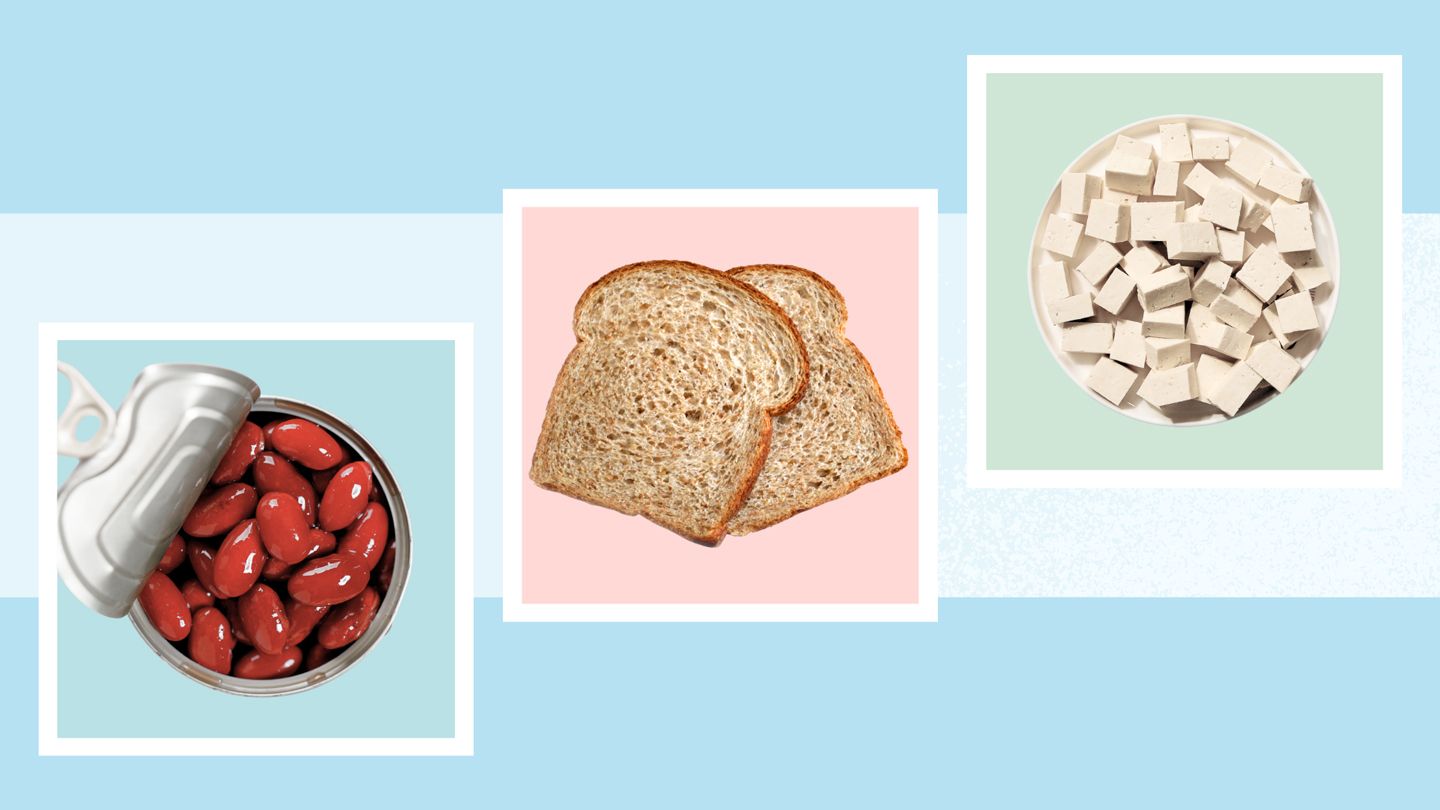
Despite the risks, registered dietitians agree that you don’t need to banish all ultra-processed foods. In fact, some can actually be good for you. “A few processed foods remain nutrient dense, meaning they are not excessively high in calories and still retain their nutritional value despite being processed,” says Amy Woodman, RD, who is in private practice in Simsbury, Connecticut.
Here are seven ultra-processed foods that registered dietitians not only recommend to others but also keep in their own kitchens for healthy eating.
1. Tofu
Among processed plant-based protein products, tofu stands out for its high micronutrient content. “For plant-based eaters, getting enough calcium and iron in their diet can be challenging,” says Amy Brownstein, RD, who is in private practice in San Francisco. “Tofu provides a good dose of these nutrients.”
Tofu also pairs well with homemade sauces and heart-healthy oils. “Tofu’s mellow flavor and texture allow it to absorb any flavors you pair with it, making it a highly versatile protein option,” Brownstein says.
2. Whole-Grain Cereal
Some ultra-processed cereals have a justifiable reputation as dessert for breakfast, thanks to added sugars. But whole-grain cereals tell a different story. “Whole-grain cereal that is high in fiber is still a healthy choice,” says Woodman.
3. Protein Powder
“Despite being a processed item, protein powders are an excellent and convenient source of protein for those who struggle to get enough from their diet solely from whole foods,” says Helen Tieu, RD, who lives in Vancouver, Canada. They can be made into a shake, mixed into yogurt or oatmeal, or incorporated into baked goods.
4. Flavored or Pearled Grains
By themselves, grains like barley, rice, and farro are not considered ultra-processed. But manufacturing steps like parboiling, pearling (removing a grain’s outer hull and some or all of its outer bran layer), and adding flavorings, spices, or oils to packaged grains takes them into ultra-processed territory, Brownstein says.
5. Canned Beans
When shopping, choose canned beans with few ingredients (such as beans, water, and salt), Brownstein recommends. And check nutrition facts labels for sodium content, which runs high in many canned foods.
6. Whole-Grain Bread
You are probably familiar with using whole-grain bread as a healthy staple for sandwiches and toast. But between the processing of wheat into flour, the addition of vitamins and minerals through fortification, and the use of emulsifiers and stabilizers to prolong bread’s shelf life and give it a pleasant texture, store-bought whole-grain bread is considered ultra-processed.
And for the healthiest, most nutrient-dense option, check that your bread lists whole wheat or another whole grain as the first ingredient.
7. Some Flavored Greek Yogurts
Healthy processed snacks are hard to find, but Elizabeth Harris, RDN, who is based in Annapolis, Maryland, says that flavored Greek yogurt is one of her favorites. “Flavored Greek yogurt is a protein-rich food that also offers calcium and vitamin D, both of which are important for bone health,” she says.
The Takeaway
- Many ultra-processed foods contain high amounts of added sugars, salt, artificial colorings and flavorings, and other less-healthy ingredients that are linked to health risks. That said, some ultra-processed foods are healthy and nutrient dense.
- Though whole-grain breads and cereals, canned beans, and tofu are ultra-processed, registered dietitians say that they’re nutritious choices.
- Look for ultra-processed foods with beneficial nutrients, such as fiber, vitamins, and minerals. Limit foods high in salt and added sugars.