

As many as 10 million people in the United States aren’t getting enough iron, an essential nutrient the body uses to help red blood cells transport oxygen while also supporting hormone and immune function.
Some people turn to iron supplements to remedy a deficiency, but there are many iron-rich foods to consider adding to your diet to meet the recommended daily intake of 8-18 milligrams for adults.
1. Cooked Oysters
t_kimura / Getty Images
Oysters are another seafood-based option that can help improve your iron levels. A 3-ounce serving of cooked, wild oysters contains 6.1 mg of iron.
2. Chicken Liver
Elena Rui / Getty Images
Organ meats, such as chicken liver, are also significant sources of iron. A 3-ounce serving of chicken liver provides 10.8 mg of iron.
3. Beef Liver
zefirchik06 / Getty Images
Beef liver is another organ meat that is high in iron. A 3-ounce serving provides 5.2 mg. Organ meats are also incredibly nutrient-dense.
Iron in Meat-Based Foods
There are two types of iron: heme and non-heme. Meat, poultry, and seafood-based iron is considered heme iron. Research notes that heme iron is often more bioavailable, meaning it’s easier for the body to absorb than non-heme iron.
4. Soybeans
Promo_Link / Getty Images
Soybeans are a type of legume often used to make foods such as tofu and tempeh. They are also an excellent addition to an iron-rich diet if you’re looking to increase your intake. A 1-cup serving of cooked soybeans offers 8.8 mg of iron.
5. Pumpkin Seeds
Mark Lavery / 500px / Getty Images
Nuts and seeds are generally nutrient-dense, but you may get the most iron from pumpkin seeds. A 1-ounce serving (about a small handful) of raw, peeled pumpkin seeds, otherwise known as pepitas, contains 2.5 mg of iron.
6. Lentils
Santiago Urquijo / Getty Images
Lentils are legumes that are known for being a good source of plant-based protein. They’re also a good addition to your diet if you’re trying to increase your iron intake. Each 100-gram serving provides 7.2 mg.
7. Spinach
tashka2000 / Getty Images
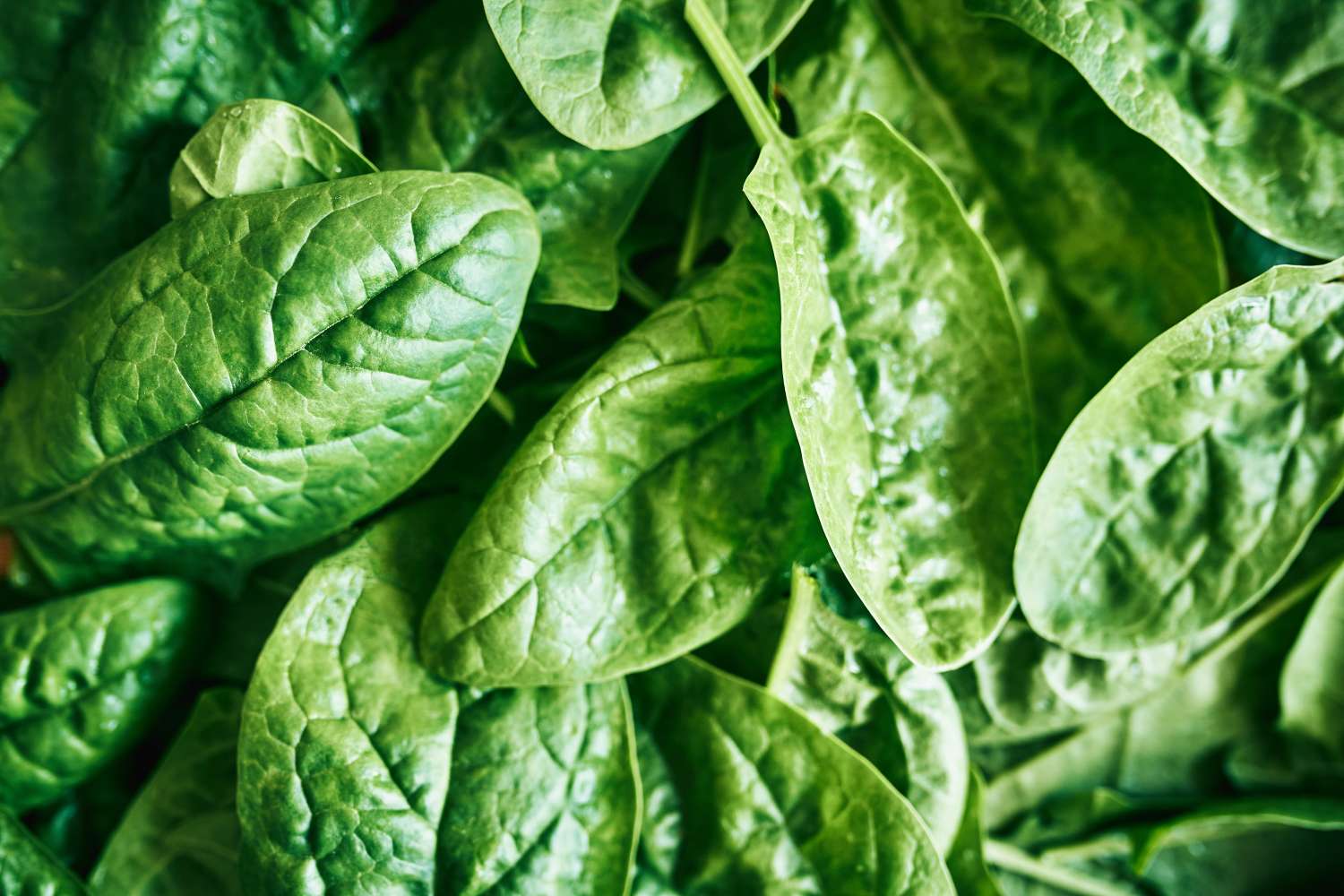
Spinach is a leafy green vegetable you can eat regularly to increase the iron in your diet. A 1-cup serving of raw spinach provides 3 mg.
Non-Heme Iron in Plant-Based Foods
Non-heme iron is the type found in plant-based foods that is more difficult for the body to absorb. That’s because many plant-based foods with a high amount of iron also contain anti-nutrients, which interfere with the body’s ability to absorb iron and other minerals. To get the most iron, you may need to maximize iron’s absorption or eat more of the food to ensure that you’re getting enough.
Maximizing Iron Absorption
While heme iron and non-heme iron have different absorption rates, you can maximize both when you’re trying to get more iron from the food that you eat.
- Limit factors that interfere with absorption: Calcium and some other nutrients can decrease how well you absorb iron. If you take a calcium supplement, it’s typically best to take it separately from an iron-rich meal so that you can absorb more of the mineral.
- Add factors that help with absorption: You can also increase your body’s ability to take in more iron through food by adding foods with vitamin C, also known as ascorbic acid. Vitamin C has been shown to enhance the absorption of non-heme iron specifically.
- Combine both types of iron: Eating plant-based sources of iron with meat, if you include meat in your diet, can also improve the body’s ability to store more non-heme iron.
:max_bytes(150000):strip_icc()/VerywellBioPicAngelicaBottaro-203f7e803ab444b2b5c13b4252d11159.JPG)