

2. Eating Foods That Trigger Symptoms
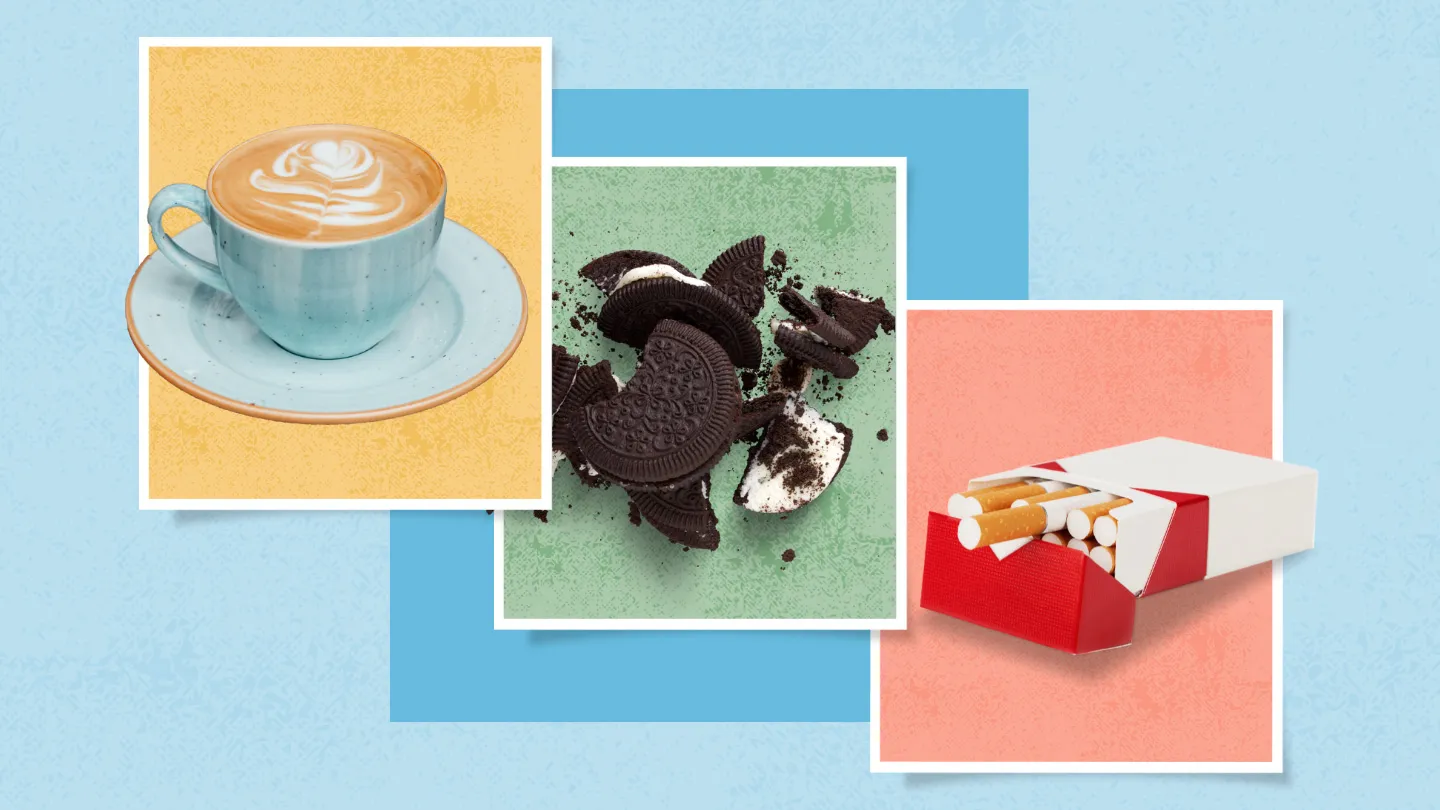
Eating a well-balanced diet may help manage Crohn’s symptoms. While food triggers are highly individual and vary from person to person, many people with Crohn’s find that foods high in fiber and fat, dairy products, and beverages with added sugars (such as soda) can trigger symptoms.
The best option is to stick to fresh fruits and vegetables, along with lean meats, says Dr. Sultan.
When it comes to other foods, choose minimally processed versions. Processed meats are connected to inflammation, and processed foods containing additives like carrageenan, maltodextrose, sulfites, and guar gum, among others, are suspected of having a connection to inflammation as well, though more research is needed to know for sure.
“Something that doesn’t get enough attention is the potential negative of preservatives in the food supply and how they may affect the intestinal lining and disease activity,” Sultan says.
A study pointed to the lack of data on whether food preservatives had a direct impact on people with IBD. Researchers observed that some preservatives can lead to an imbalance in the microbiome (dysbiosis) and make inflammation more likely, and they called for more studies examining the topic.
Some experts also recommend a low-fat diet. “Fatty foods are more difficult to digest and can increase diarrhea in people with Crohn’s,” says Richard P. Rood, MD, a professor of medicine in the division of gastroenterology at Washington University’s School of Medicine in St. Louis.
But avoiding certain foods can increase the risk of malnutrition. Guidelines from the European Society for Clinical Nutrition and Metabolism urge healthcare practitioners who are treating people with Crohn’s disease to check for micronutrient deficiencies at least once a year, as essential nutrients can be lost when cutting certain foods from your diet to alleviate symptoms. People with Crohn’s also face malabsorption due to diarrhea and damage to the digestive tract, causing them to become malnourished over time.
It can be tough to replace vitamins and minerals in your diet, says Kim Braly, RD, an IBD nutrition consultant with a virtual private practice, but it is doable. Iron from animal proteins like lean meat is best, and fish and low- or nonfat dairy are still the best form of calcium. Fatty fish can help put some vitamin D back into the body.
If you’re eating a plant-based diet or are lactose intolerant, you still have options. Beans and lentils contain iron, although the body does not absorb it as well as iron from animal protein. Many nondairy milks are fortified with calcium, but pay attention to additives and preservatives. For vitamin D, which is typically produced when the sun causes your body to generate it, rather than sourced from plant foods, supplements may be necessary.
“It might be multivitamins or individual supplements, depending on the patient,” says Lyndsay Hall, RD, of JM Nutrition in Mississauga, Ontario. “But we always try and take a diet-first approach where we can maximize [nutrition] through food when possible.”