

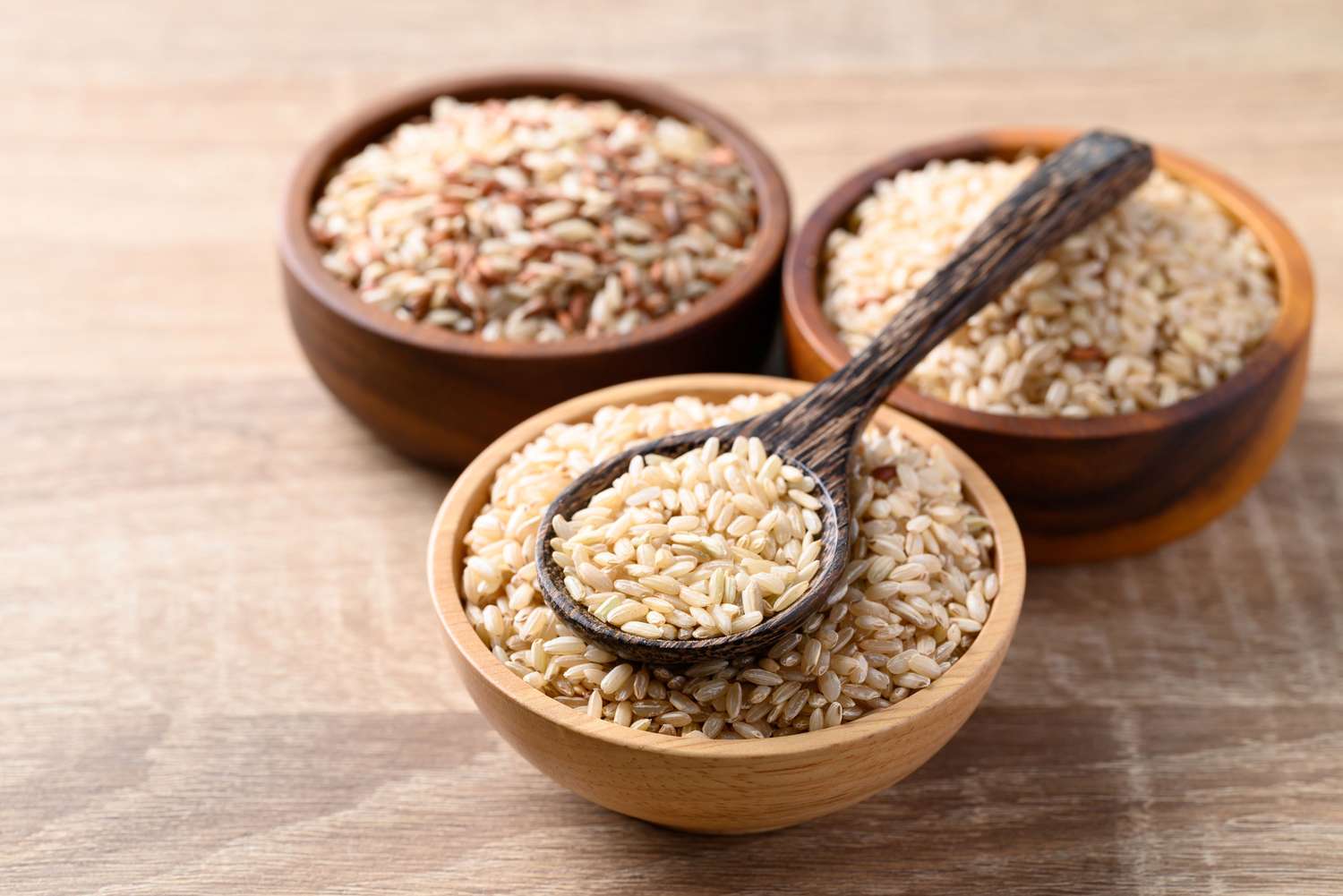
Eating whole grains—unrefined grains that retain fiber and nutrients lost in processed grains—can be good for your heart and gut. To support a healthy heart and gut, try adding these seven whole grains to your diet.
1. Oats
Hazal Ak / Getty Images
Oats contain beta-glucan, a soluble fiber that lowers cholesterol and helps balance blood sugar. Oats help regulate the immune system and improve the gut microbiome (the community of microbes in the gut). Oats also contain several phenolic compounds.
Eating oats can help prevent atherosclerosis, a known contributor to heart disease. In atherosclerosis, fatty deposits called plaques build up in arteries.
While oats are naturally gluten-free, they may be cross-contaminated with gluten during harvesting and processing. Look for those labeled gluten-free if you are avoiding gluten.
2. Quinoa
sjharmon / Getty Images
Quinoa is a high-protein grain that is naturally gluten-free. Beneficial compounds like phytosterols and phenolic acids found in quinoa help balance the gut and soothe inflammation. Eating quinoa regularly can help reduce cholesterol, lower blood pressure, and help achieve and maintain a healthy weight.
3. Brown Rice
4kodiak / Getty Images
Brown rice is rich in B vitamins, essential for brain function, metabolism, and overall health. Brown rice also contains fiber and phenolic compounds, which have been shown to lower inflammation, regulate blood sugar, and prevent atherosclerosis.
Eating brown rice has been associated with a reduction of risk factors associated with cardiovascular disease, such as high blood pressure and increased weight.
4. Barley
Svittlana / Getty Images
Barley is often overlooked, with qualities similar to oats. Packed with beta-glucan fiber, it has been shown to lower cholesterol and visceral fat, or fat that accumulates around the organs.
Consuming barley can improve the diversity of the gut microbiome and support digestion and blood sugar regulation.
Gluten in Barley, Rye, and Wheat
Gluten is a protein found in barley, rye, and wheat. It gives wheat flour its ability to bind and stretch in dough form. Gluten in itself is not dangerous; however, people with celiac disease or non-celiac gluten sensitivities should avoid whole wheat, as gluten can cause digestive symptoms and other health issues.
5. Whole Wheat
Nungning20 / Getty Images
Whole wheat is an excellent energy source with many benefits. Consuming whole wheat has a beneficial effect on the gut. Whole wheat contains fiber and other prebiotics that can help maintain a balanced microbiome.
A balanced and healthy gut can help prevent obesity and type 2 diabetes. Providing bulk to the stool, whole wheat can also help with constipation.
Like other whole grains, whole wheat can help prevent cardiovascular disease by reducing overall cholesterol, lowering blood pressure, and helping the body maintain a healthy weight.
6. Millet
manusapon kasosod / Getty Images
Millet is a small gluten-free grain with many of the same properties as other whole grains. High in sterols and phenolic compounds, millet can help reduce cholesterol and lower blood pressure. Millet has also been shown to lower insulin resistance, which can lead to type 2 diabetes.
A good source of fiber, millet also benefits the gut. Eating millet can reduce inflammation in the colon and increase microbiome diversity.
The gut-brain axis, which facilitates communication between the gut and the brain, is positively affected by millet consumption, potentially improving mental health.
7. Buckwheat
Qwart / Getty Images
Buckwheat is high in unsaturated fatty acids and can help prevent heart disease, inflammation, and cancer. It can help lower fasting blood sugar and prevent type 2 diabetes. Buckwheat is also gluten-free.
With an abundance of flavonoids and polyphenols, buckwheat can help lower cholesterol and prevent cholesterol from accumulating and hardening in the arteries. Buckwheat can also support heart health by decreasing blood pressure.
:max_bytes(150000):strip_icc()/CoryMartinHeadshot-1afc0f92b8d741be80e58c9c2615b1d8.jpg)