

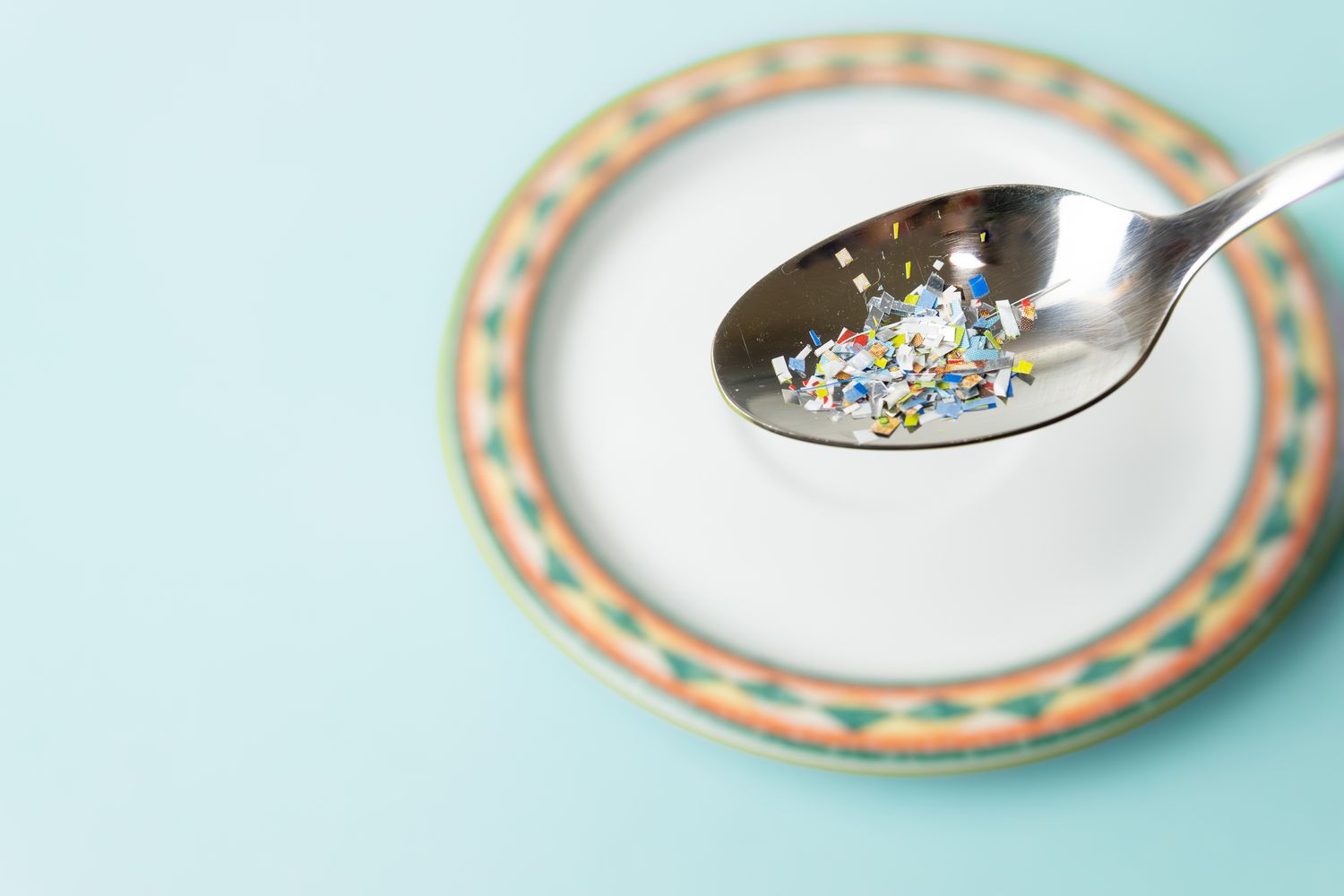
Microplastics are almost in everything we consume, including water. It’s hard to avoid microplastics entirely, but knowing where the highest levels come from can help you limit your exposure.
1. Bottled Water
metamorworks / Getty Images
Plastic-bottled water is convenient and often essential for people who don’t have access to clean tap water otherwise, but it’s a major source of microplastics.
Water from a single-use plastic bottle likely has more plastic contamination than tap water. Even the simple action of twisting off the bottle cap can release microplastics into the water.
In one study, researchers found that 1 liter of bottled water contained around 240,000 tiny pieces of plastic. Most of them were nanoplastics, even smaller than microplastics, and often created as microplastics break down.
2. Processed Protein (Even Plant-Based)
Evgen_Prozhyrko / Getty Images
Processed protein—think frozen chicken nuggets and plant-based meat alternatives—is another source of microplastics.
One study found that processed protein products expose American adults to around 11,000 microplastic particles per year. Packaged meats that were minimally processed still contained some contamination, but not as much.
3. Fast Food
Pressmaster / Getty Images
Takeout containers and fast-food packaging are other common sources of exposure to microplastics.
The plastic gloves food service workers wear during food handling may transfer microplastics to the food, too. When these disposable gloves end up in the trash, they also contribute to plastic waste and break down into more microplastics in the environment.
4. Dairy Products
manusapon kasosod / Getty Images
The plastic problem in dairy foods like milk and cheese isn’t limited to packaging or processing. A bigger issue is that the chemical compounds that make up plastic like to bind to fat molecules. So, foods that are naturally higher in fat may be more likely to have plastic in them because the conditions are right.
Researchers have found microplastics in human breast milk, too.
5. Rice
Penpak Ngamsathain / Getty Images
Highly processed instant rice products tend to contain the most plastic.
Researchers in Australia estimated that for every half-cup of rice consumed, people also ingest about 3 to 4 milligrams of plastic.
Choosing less processed varieties may help. Some evidence also suggests that rinsing rice before cooking can reduce plastic contamination by up to 40%.
6. Chewing Gum
Bowonpat Sakaew / Getty Images
One study showed that chewing a piece of gum for as little as two minutes released microplastics into the mouth. Researchers found that even natural gum had microplastic contamination.
So, even if you don’t swallow the gum itself, you might be swallowing the plastic that gets into your saliva.
7. Tea Bags
Jennifer A Smith / Getty Images
Commercial tea bags are typically made of plastic-based materials. Steeping a tea bag in boiling water can release billions of microplastics.
And if you’re not a tea drinker but get your morning coffee to go? Those one-and-toss-it hot cups and lids at most quick cafes are often lined with plastic, and there’s evidence that the heat makes it leach into your drink.
8. Himalayan Salt
MirageC / Getty Images
Research has found that most of the salt types people use for cooking and seasoning meals have microplastic contamination. One study found that pink Himalayan salt might be among the most plastic-filled of all salts.
Can You Even Avoid Microplastics?
Unless you grow and process all your own food and water, you don’t have full control over everything in the manufacturing process. What you can do is become more aware of common sources of microplastics in daily life and make small changes to limit your exposure.
For example, you might invest in a reusable water bottle or travel mug. Instead of tea bags, try brewing loose-leaf tea. Pay attention to how often you rely on fast food or takeout, and aim to cook at home more often when you can—especially with fresh foods instead of highly processed ones. And remember to rinse your rice.
:max_bytes(150000):strip_icc()/norman-dd595cddde654266bd40199db77e316f.jpg)