

Key Takeaways
- Starchy foods like white rice, toast, potatoes, and bananas are good food choices when you’re nauseous.
- As you start to feel better, add foods that are high in protein such as Greek yogurt, cottage cheese, and boiled eggs.
- Stay hydrated by sipping on cool drinks throughout the day, and eat small, frequent meals instead of larger ones.
Feeling nauseous makes eating difficult, but bland foods like rice, bananas, and toast can help settle your stomach. Opt for small, frequent meals and keep hydrated with cool liquids to ease your symptoms.
1. The BRAT Diet
One good way to start to ease nausea is often by following the BRAT diet. BRAT stands for:
- Bananas
- Rice
- Applesauce
- Toast
These foods are bland and easy to digest, and are often recommended for people recovering from a stomach illness.
The BRAT diet is good for short-term management of nausea, but you should not follow it for more than a few days, as it doesn’t contain adequate nutrients.
2. Starchy Foods
Bananas, rice, and toast (three of the main components of the BRAT diet) are examples of starchy foods. Other starchy foods can also help if you’re experiencing nausea, such as:
- Crackers
- Boiled sweet potatoes or regular potatoes
- Pretzels
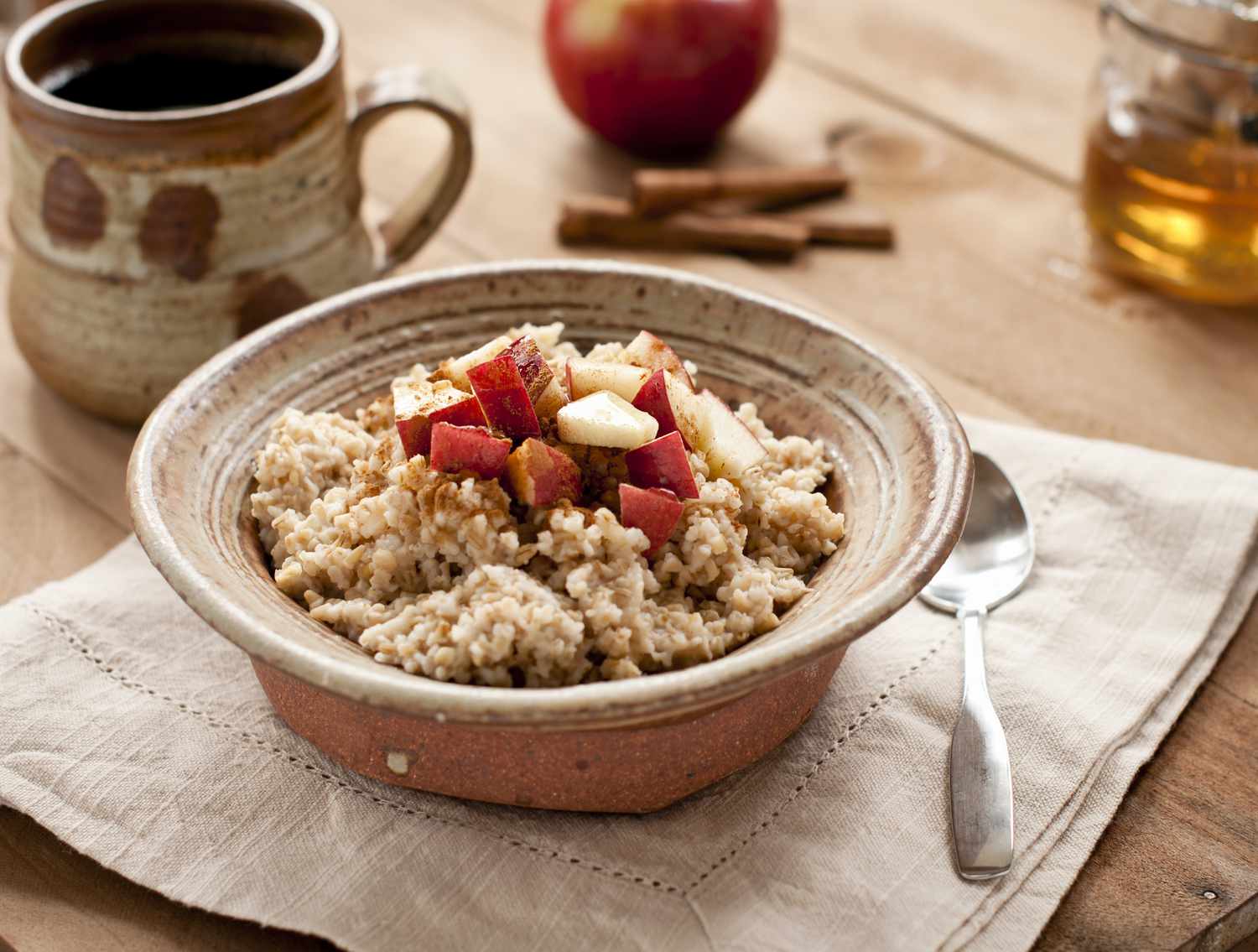
- Oatmeal
- Cream of wheat
It’s not clear why people tolerate plain, starchy foods when they’re nauseous, and there isn’t any scientific research to verify their effectiveness. However, it’s known that people feel more nauseous on an empty stomach and react poorly to strong-smelling foods.
3. High-Protein Foods
To keep your energy up, it’s essential to have nutrient-rich foods. Choose high-protein meals, but keep your choices bland, skipping spicy seasonings and dressings. Healthy options include:
- Greek yogurt
- Cottage cheese
- Skinless, baked chicken
- Hard-boiled eggs
- Tofu and edamame
People with cancer often need more protein than usual because extra protein is needed after surgery, chemotherapy, or radiation therapy to aid healing and help fight infection.
4. Hard Candy
Sucking a bit of hard candy may also ease an upset stomach. Try candy flavors such as:
- Lemon or other sour flavors
- Ginger
- Peppermint
Research has shown that ginger is an effective and safe treatment for nausea. Ginger comes in many forms—fresh, dried, pickled, preserved, crystallized, candied, and powdered or ground. More studies are needed to accurately determine the most effective doses and preparations for treating nausea.
5. High-Fiber Foods
High-fiber foods are nutrient-rich and important to eat regularly, but they can slow down digestion, so they may be difficult to tolerate when feeling nauseous. Try these foods that may help prevent or lessen nausea while also providing fiber:
- Apples
- Raw carrot, spinach, and other high-fiber vegetables
- Medium potato with skin
- Canned peaches
- Pears
- Prunes
6. Cool Foods
Spicy and hot foods can worsen nausea. Instead, opt for cool foods. They are typically easier on the stomach and have less odor, reducing the chance of nausea. Consider trying:
- Chilled apple or watermelon
- 100% fruit ice pops
- Cold pasta
- Smoothies
In a small study, pregnant people reported apples and watermelon to be the most agreeable and caused the least nausea of the four foods tested.
7. Tea
While cool foods can help, hot tea is also effective in some cases. Add honey and lemon for flavor. Effective herbal teas for nausea include:
These teas can also be cooled and consumed as iced tea if cold foods and beverages are better tolerated.
8. Other Beverages
Drinking enough liquid is important when you’re nauseous, especially if you’re vomiting. Water is the best choice when it comes to relieving nausea, but you can sip any of these liquids to relieve symptoms:
- Water
- Fruit juice
- Broth
- Sports drinks and other drinks with electrolytes
- Flat soda (leave the can or bottle open until the bubbles are gone)
Medication for Nausea
Dietary changes can help, but you should also continue to take anti-nausea medication prescribed by your healthcare provider. It can be your best defense against queasiness.
If your medications aren’t working, let your healthcare provider know. There are a variety of medications available, and it may take trial and error to find the right one.
What to Eat When You Have No Appetite
When nausea takes away your appetite for extended periods, getting nutrient-rich foods becomes even more important for increasing energy, maintaining immunity, and reducing inflammation. Choose foods such as:
- Protein foods that are mild, along with plant-based proteins like soft silken tofu
- Minimally processed carbs, like oats, brown rice, whole wheat bread, potatoes, and sweet potatoes
- Healthy unsaturated fats, like avocado, olive oil, nuts, and seeds
- Fruits and vegetables for fiber, vitamins, minerals, and antioxidants
Tips to Prevent and Soothe Nausea
- Avoid strong smells: If possible, stay away from the kitchen when food is being prepared to avoid strong smells.
- Keep snacks handy: Keeping snacks nearby allows you to eat as soon as you feel hungry.
- Avoid an empty stomach: Try keeping a little food in your stomach at all times. Having an empty stomach may worsen nausea. This may mean eating smaller and more frequent meals throughout the day instead of bigger and fewer meals.
- Stay upright: Use a chair or prop yourself up with pillows for at least 30-60 minutes after eating. Lying flat after meals and snacks can worsen nausea and heartburn.
- Drink water: Keeping hydrated can help a great deal with nausea. If you’ve vomited, sip clear liquids with electrolytes to replenish lost fluids and minerals. If you cannot drink, your healthcare provider may suggest fluid infusions in a clinic.
- Improve the taste of nutritional shakes: To cut the overly sweet taste of liquid nutritional products (e.g., Ensure), add 1 to 2 teaspoons of finely ground, decaffeinated coffee to chocolate or vanilla flavors.
- Sit quietly: Moving around can make you feel even more nauseous.
- Use distraction: Try watching TV to help distract your mind from nausea.
Foods to Avoid When You Are Nauseous
Some types of food will make nausea worse. The list of foods to avoid when you’re feeling nauseous includes:
- Greasy and processed foods
- Foods high in salt
- Foods with strong smells
- Caffeine, alcohol, and carbonated drinks
- Very spicy foods
- Dairy products
Some foods are double-whammies because they are not only greasy or processed but also high in salt. This includes white bread, pastries, donuts, sausages, fast-food burgers, fried food, chips, and canned foods.
When to Seek Care
Most of the time, feeling nauseous but hungry isn’t a medical emergency. However, contact a healthcare provider for advice if you experience any of the following:
- Suspicion of poisoning (e.g., potentially ate a toxic mushroom or plant)
- Red blood or coffee-colored material (old blood) in vomit
- Inability to keep fluids down for 12 hours or longer
- Headache, especially if accompanied by a stiff neck
- Severe abdominal pain
- Eight hours or more without urination
Also, contact a healthcare provider if you are concerned or have an underlying health condition, such as pregnancy or cancer treatment.
A Word From Verywell
Bland foods, foods lower in fat, and ginger may ease nausea for some people, while fragrant, spicy, and fatty foods may worsen nausea for some. Everyone is different. It may take some trial and error to find what eases or triggers your nausea. However, you don’t have to tackle nausea alone. A registered dietitian can guide you through this process.
:max_bytes(150000):strip_icc()/ElizabethBarnesRDN-2e7137c58e3b452895fefecdc4c550cd.jpg)