

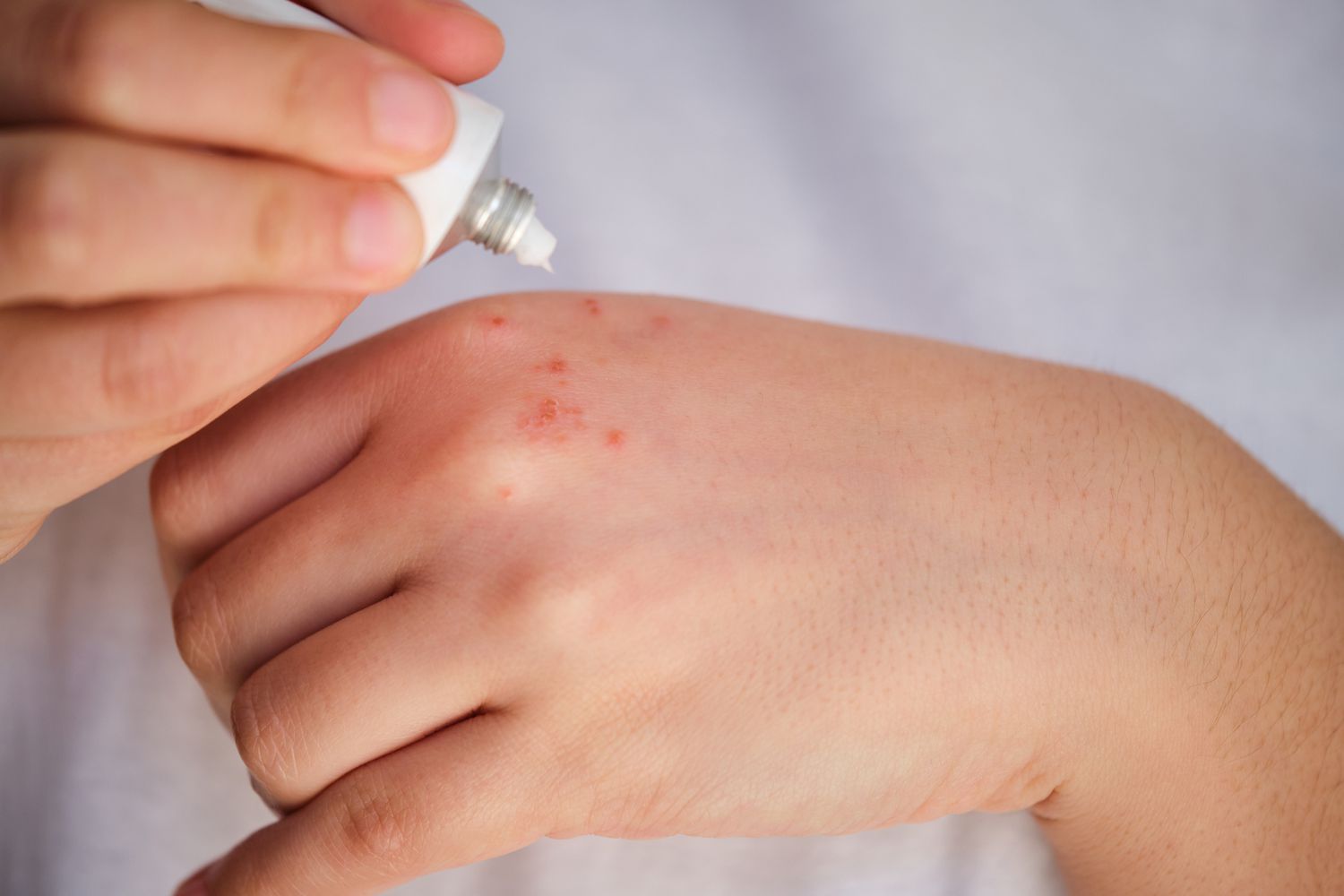
:max_bytes(150000):strip_icc():format(jpeg)/GettyImages-1483472122-420c1c324b654f6c958b0f88528458bd.jpg)
Key Takeaways
- Avoid irritants like soaps and rubber gloves to prevent contact dermatitis on your hands.
- Allergic contact dermatitis happens when the skin touches something you are allergic to, and it can take 48 to 72 hours for a rash to appear.
- Call 911 right away if someone has signs of anaphylaxis, like swelling and trouble breathing.
Hand rashes are commonly caused by eczema, irritants, or allergies, leading to discomfort and skin changes. Addressing the root cause, whether it’s an allergic reaction or irritant exposure, allows for targeted treatment and healthier skin.
Ladanifer / Getty Images
1. Irritant Contact Dermatitis
Irritant contact dermatitis is a common cause of hand rashes. It occurs when the skin touches irritating substances. The rash usually appears on exposed areas, marked by well-defined borders.
Symptoms may include:
- Red bumps that may develop into moist, weeping blisters
- Warm, tender skin
- Oozing, crusting, or drainage
- Skin that becomes scaly, raw, or thickened
Common triggers for irritant contact dermatitis on the hands include:
- Fabric softeners
- Hair dyes
- Soaps and detergents
- Rubber gloves
Reproduced with permission from © DermNet and © Te Whatu Ora dermnetnz.org 2023.
2. Allergic Contact Dermatitis
Allergic contact dermatitis is a rash caused by an allergic reaction to a substance touching the skin. It often affects the hands but can appear elsewhere on the body.
This is a delayed hypersensitivity reaction, meaning symptoms usually develop 48 to 72 hours after exposure to the allergen. While the exact appearance of the rash can vary depending on the substance, it often presents with:
- Discoloration (red on lighter skin tones; purple, gray, or less visible on darker skin tones)
- Itching
- Blisters
- Swelling
The rash typically appears only where the allergen touched the skin, resulting in a well-defined, localized pattern.
Reproduced with permission from © DermNet New Zealand www.dermnetnz.org 2023.
3. Severe Allergic Reactions
Anaphylaxis is a life-threatening allergic reaction that develops rapidly after exposure to certain allergens. Common triggers include specific foods, insect stings, and medications.
A skin rash is one possible symptom of anaphylaxis. The affected skin may feel hot, appear discolored (ranging from red to purple depending on skin tone), and become itchy or swollen.
Other signs of anaphylaxis include:
- Swelling of the lips, tongue, or throat
- Difficulty swallowing
- Shortness of breath or wheezing
- Coughing
- Dizziness or fainting
Call 911 immediately if you or someone nearby is experiencing these symptoms. Anaphylaxis requires urgent medical attention.
4. Infections
Fungal, viral, and bacterial infections can all cause hand rashes, each with distinct features and treatment needs. Below are some common examples:
Tinea manuum: This fungal infection usually affects only one hand and causes dry, discolored, itchy patches that may peel. The rash often has a well-defined border and a clearer center. It typically appears pink to red on lighter skin tones and brown or gray on darker tones. Tinea manuum is caused by the same fungi responsible for athlete’s foot and ringworm.
Hand, foot, and mouth disease (HFMD): Common in children, HFMD is a viral illness that causes fever, mouth sores, and a rash on the hands, feet, and sometimes buttocks. The rash includes flat or raised spots that may blister. On lighter skin, these are usually pink or red; on darker skin, they may appear darker than the surrounding area. The rash isn’t usually itchy. HFMD spreads through saliva, stool, and fluid from blisters.
Cellulitis: A deeper skin infection that can appear on the hands, though it’s more common on the feet and legs. It causes swollen, painful skin that feels warm and may have a dimpled, orange-peel texture. The area may look red on lighter skin or show little discoloration on darker skin. Group A Streptococcus is the most common cause, though other bacteria can also be involved.
While these infections may look similar, they require different treatments. A painful or spreading rash—especially with symptoms like fever—should be evaluated by a healthcare provider.
Reproduced with permission from © DermNet dermnetnz.org 2023
5. Hives
Hives are raised, itchy patches that can appear anywhere on the body, including the hands. They may look pink or red on lighter skin tones, and lighter or darker than the surrounding skin on darker tones.
They vary in size and may come and go quickly. While usually harmless, hives can sometimes be linked to a more serious condition called angioedema, which causes swelling in the mouth or throat.
Call 911 right away if this happens, as it can be a medical emergency.
Reproduced with permission from © DermNet and © Te Whatu Ora Waikato www.dermnetnz.org 2023.
6. Chronic Skin Conditions
Two chronic skin conditions that can cause hand rashes are eczema and psoriasis.
Hand eczema causes dry, itchy, and scaly patches on the skin. The skin may crack, bleed, or become painful. It’s often mistaken for simple dry skin. Common triggers include frequent hand washing and contact with detergents, solvents, or other chemicals.
Psoriasis is an autoimmune condition that speeds up skin cell growth, leading to a buildup of dead skin cells on the surface. This causes thick, scaly patches. On lighter skin, the scales may look gray or silver with red skin underneath. On darker skin, the scales may appear dark brown or purplish-gray. It is often found on the elbows, knees, and trunk, but can also affect the hands.
Sinhyu / Getty Images
7. Sunburn
Because hands are often left uncovered, they can be especially prone to sunburn.
Common symptoms include:
- Redness (in lighter skin tones) or darker discoloration (in deeper skin tones)
- Swelling
- Pain or tenderness
- Warm skin
- Peeling
- Blisters
Unlike other burns, sunburn symptoms usually appear about four hours after sun exposure and improve within three to five days.
Astri Kurniawati / Getty Images
8. Lichen Planus
Lichen planus is a skin condition with no clear cause in many cases, though it can be linked to:
Symptoms include:
- Small, smooth bumps with flat surfaces that often cluster together (red to purple on lighter skin; less noticeable or not discolored on darker skin)
- Itching
- Scales or white lines near the bumps
Lichen planus can affect the skin, mouth, nails, or scalp. On the skin, it most often appears on the wrists, ankles, arms, or back.
Reproduced with permission from © DermNet dermnetnz.org 2023.
Treatment Approaches
A hand rash should be evaluated by a healthcare provider to determine the underlying cause. During your visit, the provider will examine your skin, review your medical history, and may ask questions about recent exposures or symptoms.
Treatment will depend on the cause of the rash. In many cases, your provider may recommend one or more of the following options:
- Avoid irritants and allergens: You may need to identify and avoid substances—such as certain soaps, detergents, or chemicals—that are triggering your rash.
- Moisturizers: Unscented creams or lotions can help hydrate the skin and restore the skin barrier.
- Anti-itch creams: Over-the-counter products like hydrocortisone can reduce itching and inflammation.
- Prescription corticosteroids: Stronger steroid creams may be prescribed to treat severe or persistent rashes.
- Antibiotics: If your rash is caused by or becomes infected with bacteria, your provider may prescribe topical or oral antibiotics.
- Antifungal creams: These are used to treat fungal infections like ringworm or yeast-related rashes.
- Calamine lotion: This soothing lotion can help relieve itching and minor skin irritation.
- Oral antihistamines: These medications can ease allergic reactions and reduce itching, especially at night.
- Pain relievers: Over-the-counter options like ibuprofen or acetaminophen may help reduce pain and swelling.
- Cool compresses: Applying a clean, damp, cool cloth can help soothe redness, itching, and discomfort.
- Colloidal oatmeal or Epsom salt baths: Soaking in a cool bath with these ingredients may calm the skin and support healing.
If your hand rash is severe, spreading, or not improving after a few days, follow up with a healthcare provider. Early treatment can help relieve symptoms and prevent complications.
When to See a Healthcare Provider
A hand rash may be caused by something minor, like irritation from frequent handwashing, but it can also signal a more serious condition that needs medical attention.
You should contact a healthcare provider if:
- The rash is painful.
- It spreads rapidly or to other areas of the body.
- It doesn’t improve within 48 hours.
- You develop a fever.
- The rash includes blisters, open sores, or signs of infection (such as swelling, warmth, or pus).
- The rash keeps coming back or won’t go away.
- You notice other symptoms, like joint pain, fatigue, or swollen lymph nodes.
- The skin is cracking, bleeding, or interfering with daily tasks.
- The rash appeared after starting a new medication.
- You have a weakened immune system (due to conditions like HIV, cancer, or steroid use).
Tips for Prevention
While it may not be possible to prevent every hand rash, there are many steps you can take to reduce your risk and protect your skin—especially if you’re prone to rashes or have an underlying condition like eczema.
To help prevent hand rashes from developing or worsening, consider these practical tips:
- Avoid known triggers: Stay away from substances you know cause irritation or allergic reactions.
- Use gentle, fragrance-free products: Choose soaps, moisturizers, and cleansers that are labeled gentle or hypoallergenic.
- Wear protective gloves: Use gloves when gardening, cleaning, or working with chemicals and other potential irritants.
- Moisturize regularly: Keep your hands well-hydrated with unscented creams or lotions, especially after washing.
- Avoid harsh soaps and detergents: These can strip the skin of natural oils and lead to dryness or irritation.
- Keep your hands clean and dry: Wash with lukewarm water, pat dry, and apply moisturizer immediately after.
- Protect your hands from the weather: Cold or dry air can worsen skin issues, so wear gloves outdoors and moisturize often.
- Use a humidifier in dry environments: This can add moisture to the air and help prevent skin from drying out.
If your hand rash is linked to a medical condition, follow your healthcare provider’s instructions closely. This includes using prescribed or recommended treatments, taking medications as directed, and attending follow-up appointments.