

:max_bytes(150000):strip_icc():format(jpeg)/VWH-GettyImages-2211844024-1dcd0f62bec24a25a195d8111d8a5f87.jpg)
Key Takeaways
- Using an air purifier every day is an easy way to support cleaner indoor air and reduce your exposure to particles that can affect your health.
- The strongest evidence supports benefits for allergies and respiratory comfort, while growing research links cleaner air to better heart health, sleep quality, and overall well-being.
- While no air purifier can remove all pollutants or replace fresh air and good habits, it’s a proven tool to help you breathe easier every day.
Indoor air can hold pollutants just like outdoor air—even if your home looks clean. Everyday sources like cooking, cleaning products, pet dander, and outdoor pollution can release particles that affect how well you breathe and how your body functions.
Running an air purifier daily may help reduce those airborne contaminants and make a noticeable difference in your health and comfort.
1. Cleaner, Healthier Air
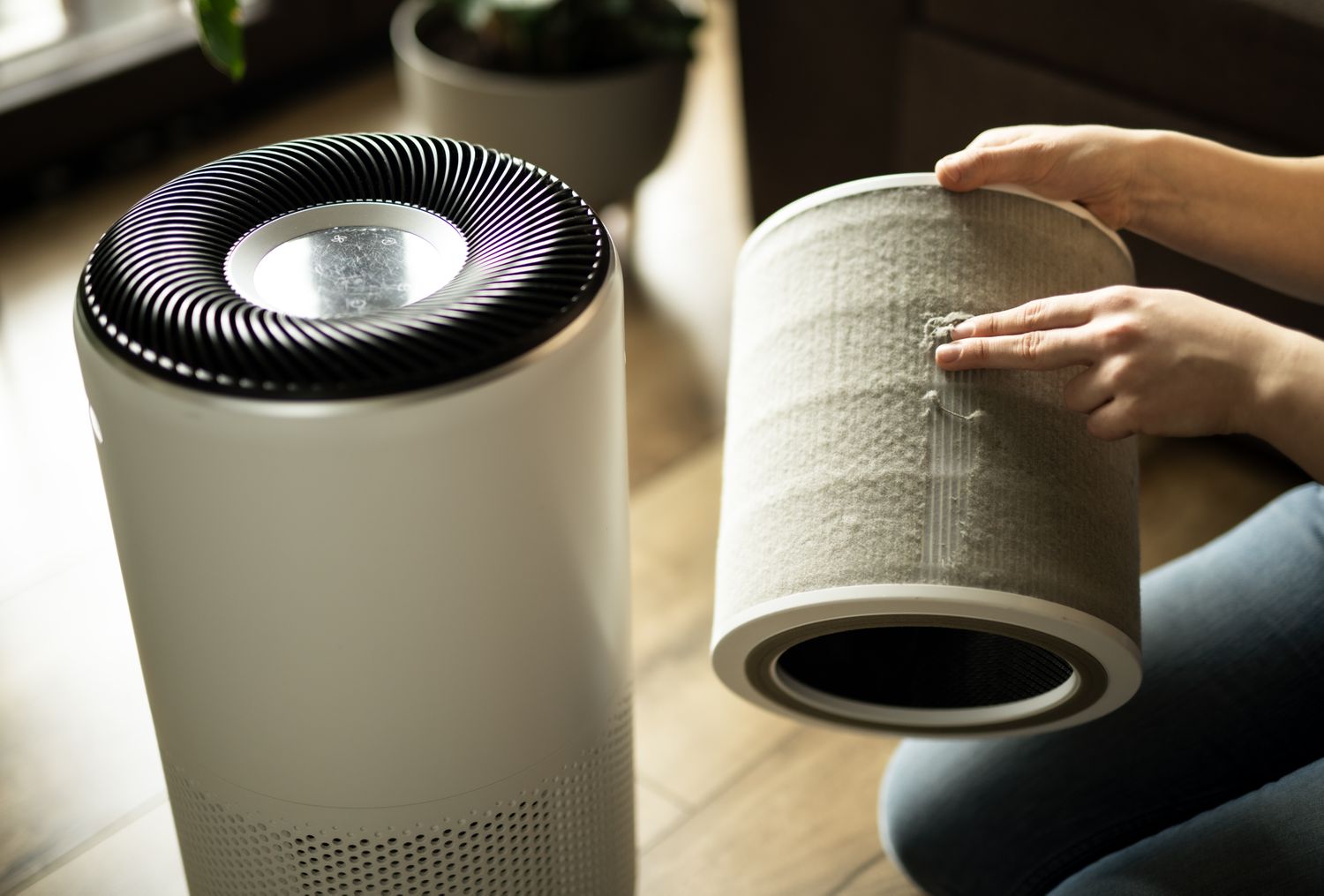
Air purifiers draw air through filters that trap dust, pollen, pet dander, and smoke before circulating clean air back into your home.
Most models use HEPA (high-efficiency particulate air) filters that capture 99.97% of particles 0.3 microns or larger. According to the U.S. Environmental Protection Agency (EPA), using a certified HEPA purifier can meaningfully reduce airborne pollutants and improve indoor air quality.
2. Fewer Allergy and Asthma Symptoms
If you have allergies or asthma, you may notice fewer flare-ups with regular air purifier use.
HEPA filters can remove airborne allergens like dust mites, pollen, and mold spores—the same particles that can trigger sneezing, coughing, or wheezing.
No air purifier can remove every particle or allergen on its own. Improving indoor air quality works best when you address the source first—such as cleaning up mold, managing dust mites, and keeping pets or pests under control. Air filtration is one helpful step in a broader strategy to reduce allergy and asthma triggers for both children and adults.
3. Protection From Fine Particle Pollution
Fine particles smaller than 2.5 microns can travel deep into your lungs and even enter the bloodstream, contributing to heart and lung disease. Used consistently, air purifiers with HEPA filters can help lower indoor levels of these fine particles by more than half.
Reducing exposure to these particles can help your lungs function more efficiently and may reduce long-term risks related to air pollution.
4. Support for Heart and Blood Pressure Health
Cleaner air doesn’t just benefit your lungs. It may also help your heart.
Research suggests that reducing exposure to airborne particles may improve blood vessel flexibility and help maintain healthy blood pressure levels.
Studies have found modest improvements in vascular health among people who used indoor HEPA air purifiers daily, especially in those with existing respiratory (breathing) or heart conditions.
5. Less Smoke and Odor Exposure
Air purifiers can help clear smoke, odors, and wildfire pollution, which often contain harmful chemicals and irritating fine particles.
Purifier models equipped with activated carbon filters absorb odor-causing gases and volatile organic compounds (VOCs), making your home’s air smell fresher and cleaner.
This can be especially beneficial for households with smokers, pets, or those living in wildfire-prone regions.
6. Fewer Cold and Flu Particles in the Air
While air purifiers can’t eliminate viruses completely, HEPA filters can trap airborne droplets that carry germs, reducing the number that circulate indoors.
The Centers for Disease Control and Prevention (CDC) notes that air purifiers can complement other preventive measures—like handwashing and good ventilation—to help limit the spread of respiratory illnesses.
7. Better Sleep Quality
Cleaner air may also help promote better sleep. Dust, pet dander, and other airborne irritants can inflame or block nasal passages, leading to congestion, snoring, or disrupted rest.
In one study, people who used an air purifier for two weeks reported better sleep quality, including longer sleep duration and more time spent in bed, compared to those who used a placebo device. Reducing allergens and particles in your bedroom may help you breathe more easily and rest more soundly throughout the night.
8. Improved Comfort and Peace of Mind
Using an air purifier daily can make your home feel noticeably fresher and easier to breathe in, especially during allergy season or smoky days.
Many users report fewer headaches, less irritation in their eyes or throat, and overall greater comfort. Even if you’re healthy, reducing airborne contaminants provides long-term benefits for your heart, lungs, and overall quality of life.
What Does an Air Purifier Do?
Air purifiers work by pulling indoor air through filters that capture particles before releasing cleaner air back into the room.
Most devices use HEPA filters, which can trap particles as small as 0.3 microns, including dust, smoke, pet dander, and pollen.
By lowering particle levels in your home, an air purifier helps reduce the burden on your lungs and immune system. Over time, cleaner indoor air may help you breathe more comfortably and reduce exposure to substances that contribute to chronic inflammation.
How to Maximize the Benefits
Choose an air purifier with a true HEPA filter for particle removal.
- For chemical or smoke exposure, add a carbon filter.
- Match the filter’s Clean Air Delivery Rate (CADR) to your room size.
- Keep windows closed during use and replace the filters regularly.
- Combine purifier use with other healthy-air habits—like vacuuming with a HEPA filter, controlling humidity, and using exhaust fans when you cook.
Air purifiers work best when used continuously and alongside proper ventilation and good household cleaning practices.