

:max_bytes(150000):strip_icc():format(jpeg)/VWH-GettyImages-2150167655-d304c2314480426abea52a10a0e2f3c7.jpg)
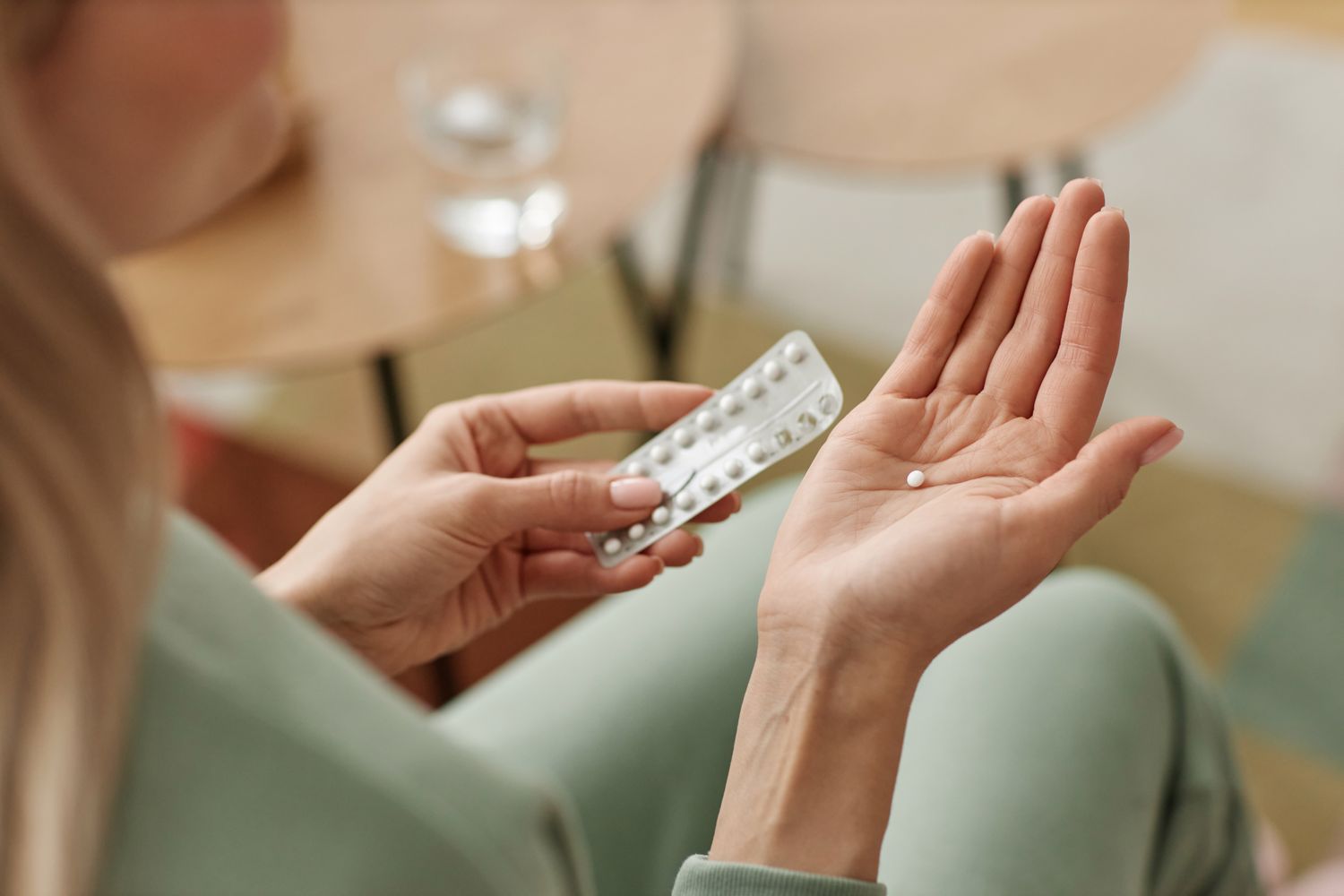
Birth control pills are a highly effective way to prevent pregnancy when taken correctly. But some foods, drinks, and supplements can affect how well the pill works or increase unwanted side effects.
1. St. John’s Wort
St. John’s wort is an herbal supplement used for mood support. It speeds up how the liver breaks down hormones found in birth control pills. When this happens, hormone levels can drop to levels that are too low to prevent pregnancy.
People taking this supplement may also notice breakthrough bleeding (bleeding that occurs while you’re taking active pills), which can be a sign that the pill is not working as well.
Tip: Do not use St. John’s wort if you take hormonal birth control.
2. Activated Charcoal
Activated charcoal can be found in supplements for gas, bloating, “cleansing” or “detoxing”, and may claim to lower cholesterol. The only proven medical use is for emergency treatment of certain poisonings and drug overdoses.
It works by binding to, or attaching to, substances in the digestive tract. Unfortunately, it can also attach to medications, including birth control pills, and stop them from being absorbed properly. This is especially risky if charcoal is taken close to pill time.
Tip: Only take activated charcoal many hours apart from when you take your pill, or avoid it as a supplement altogether. Its effectiveness for supplemental purposes has only limited evidence.
3. Grapefruit and Grapefruit Juice
Grapefruit and grapefruit juice affect enzymes in the liver that are part of the cytochrome P450 (CYP450) system, which help process estrogen. This can cause estrogen levels from your birth control pills to rise higher than intended.
While this usually does not reduce pregnancy protection, it can increase side effects like nausea, headaches, and breast tenderness. Some people are more sensitive to grapefruit than others.
Tip: Avoid large amounts of grapefruit or daily grapefruit juice.
4. Soy Supplements
Soy supplements contain phytoestrogens, which are plant compounds that imitate the action of estrogen on your body by binding to and activating estrogen receptors.
Eating normal amounts of whole soy foods (around one to two servings per day of soy milk, tofu, edamame) is safe and may even help prevent breast cancer. However, concentrated soy supplements may interfere with hormone balance and could potentially be unsafe. This could lead to changes in bleeding patterns or an increase in side effects.
Tip: Skip soy supplements and stick to food-based soy such as soy milk, tofu, and edamame.
5. Alcohol
Alcohol does not cancel out birth control pills or influence their effectiveness, but it can still cause problems. Drinking too much can make it easier to forget a pill or vomit shortly after taking one. Vomiting within two hours of taking your pill may prevent proper absorption.
Alcohol may also increase nausea or dizziness caused by the pill.
Tip: Drink moderately and use reminders to take your pill at the same time every day to maximize its effectiveness.
6. Garlic Supplements
Garlic supplements are sometimes used to support heart health and immunity. In high doses, garlic can affect the cytochrome P450 system, particularly one enzyme called cytochrome 2C9, a liver enzyme that helps process medications, including birth control hormones.
Tip: Cooking with garlic is safe and beneficial, but avoid concentrated garlic pills.
7. Flaxseed Supplements
Flaxseed supplements contain phytoestrogens called lignans, which imitate the estrogen in your body and in your birth control pills. These compounds may compete with your pills for estrogen receptors, potentially making your birth control less effective.
Ground flaxseed in small amounts is usually safe.
Tip: Separate the time you take your birth control pill and a flaxseed supplement by at least two hours, or avoid flaxseed supplements while on birth control.
8. Vitamin C (High Doses)
Very high doses of vitamin C may raise estrogen levels in the blood. This should not affect the effectiveness of birth control, but can increase side effects like nausea, bloating, or headaches.
Of note, this would not be a concern with most people’s normal dietary vitamin C intake, which is usually sufficient.
Talk with your healthcare provider if you are concerned about a vitamin C deficiency. It is most likely not necessary to supplement with vitamin C, and it can lead to other health concerns if you consume too much.
Tip: Stay within recommended daily limits, ideally from a normal, healthy diet rich in fruits and vegetables.
9. General Anxiety/Relaxation/Weight Loss Supplements
Products marketed as weight-loss, detox, insomnia, or relaxation supplements often contain multiple herbs and ingredients that affect digestion or liver enzymes. These products may reduce hormone absorption or speed up hormone breakdown.
Two specific supplements, kava and green tea, have shown significant potential for herbal drug interactions due to their interaction with the cytochrome P450 system, the liver enzymes responsible for metabolizing drugs.
Tip: Because formulas vary widely, predicting risks can be challenging. It is best to provide your healthcare provider with a full list of medications you take, including supplements, to ensure your birth control is working at maximum effectiveness.
Always read supplement labels, do your research on brands, and talk with a healthcare provider before starting new products. When unsure, spacing supplements away from your pill—or avoiding them altogether—is the safest option.