

:max_bytes(150000):strip_icc():format(jpeg)/VWH-GettyImages-800378472-6a82650c7f3440858fc4083c9ce6077a.jpg)
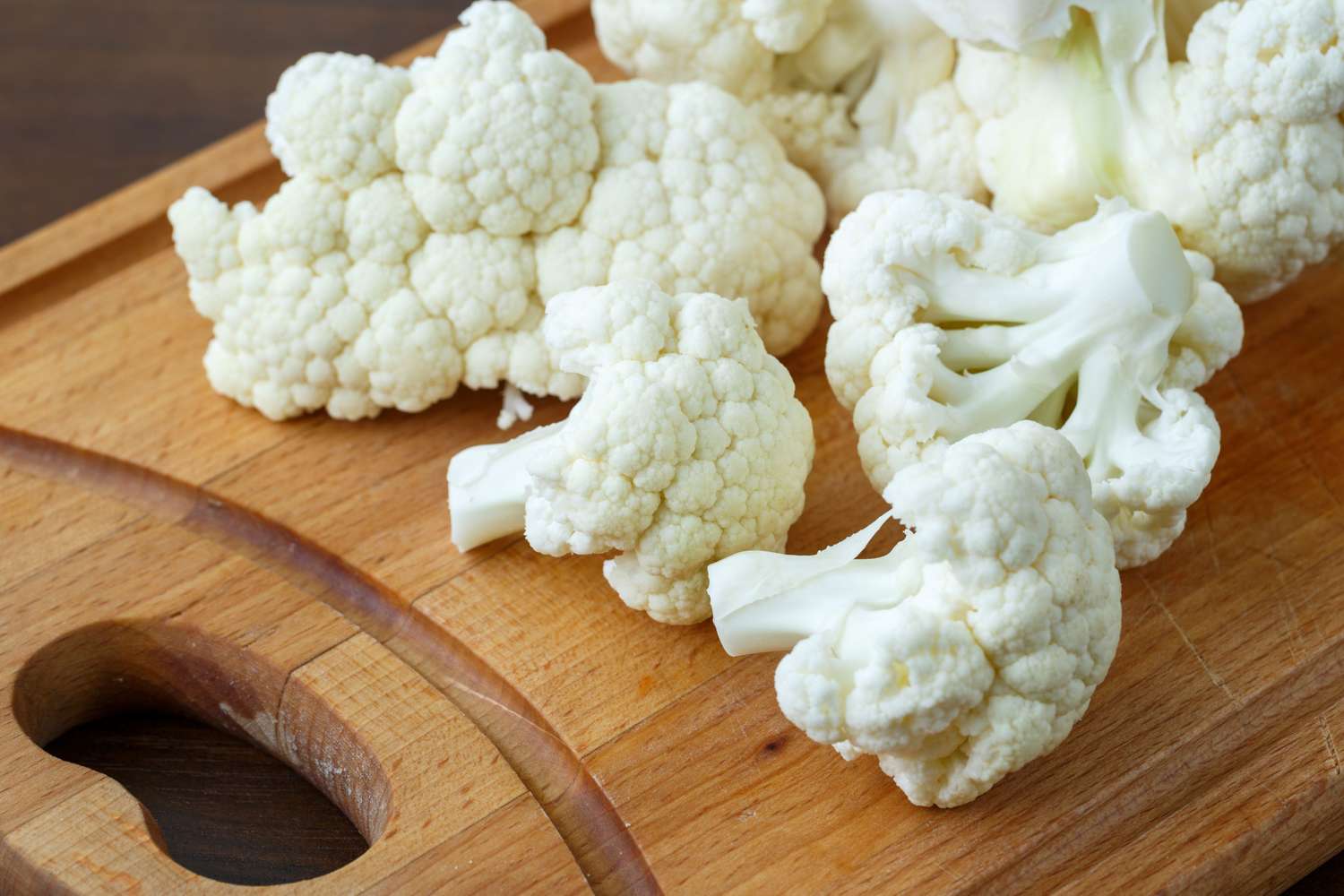
Cauliflower, a cruciferous vegetable related to broccoli and kale, offers 45 milligrams (mg) of vitamin C per half cup (62 grams) cooked. However, many other foods provide even more vitamin C.
1. Sweet Yellow Peppers
Andrii Shablovskyi / Getty Images
342 milligrams (mg) of vitamin C in one pepper, long (186 grams)
Sweet yellow peppers are an excellent source of vitamin C, providing 342 mg per pepper. This amount exceeds the daily recommended amount for adults: 90 mg for males and 75 mg for females.
In comparison, other peppers contain less vitamin C. For example, one medium green pepper (119 grams) contains 95.7 mg, while one red sweet pepper (119 grams) contains 152 mg.
2. Guava
Murilo Gualda / Getty Images
125 mg of vitamin C in one fruit (55 grams)
Guava is a tropical fruit known for its high vitamin C content. Besides vitamin C, it contains a range of beneficial compounds, including flavonoids and carotenoids.
Research suggests that guava can improve metabolic health, support muscle and bone health, and promote healthy skin and digestion. Additionally, guava is lower in sugar than many other fruits, making it a great option for keeping blood sugar levels in check.
3. Papaya
rustyl3599 / Getty Images
95.6 mg of vitamin C per one fruit, small (157 grams)
Papaya is another tropical fruit that is rich in vitamin C, offering a delicious way to boost your immune system. Papaya is also known for its high fiber content, which aids in digestion and promotes regular bowel movements. Papayas contain potent antioxidants, including lutein and lycopene.
4. Grapefruit
Jennifer A Smith / Getty Images
85.1 mg of vitamin C per one grapefruit (230 grams)
Grapefruit is rich in vitamins A and C, both of which play essential roles in supporting a strong immune system and protecting against cellular damage.
Beyond these vitamins, grapefruit is also a great source of:
These nutrients contribute to overall health by promoting healthy digestion, supporting muscle function, and regulating blood pressure.
5. Oranges
Serhii Prystupa / Getty Images
82.7 mg of vitamin C per one orange (140 grams)
Oranges are a highly nutritious source of vitamin C and offer a delicious, low-calorie, and low-fat fruit option. In addition to their vitamin C content, they provide a good amount of fiber, which is crucial for overall health.
Adequate fiber intake supports healthy digestion by promoting regularity and nourishing beneficial gut bacteria, ultimately contributing to a well-functioning digestive system.
6. Broccoli
Pebi WMF / 500px / Getty Images
81.2 mg of vitamin C per one cup (91 grams)
Raw broccoli is an outstanding source of vitamin C at 81.2 mg per cup. It is also low in calories and high in fiber, making it an excellent addition to any diet.
Vitamin C is a water-soluble antioxidant that can be easily diminished by heat, which is why consuming raw broccoli allows you to maximize vitamin C intake more effectively than if it were cooked. However, if you prefer cooked broccoli, steaming is a better option because it helps retain more vitamin C.
7. Strawberries
K_E_N / Getty Images
59.6 mg of vitamin per one-half cup (about 100 grams)
Strawberries are a popular, widely available fruit celebrated for their vibrant color and sweet flavor. In addition to vitamin C, strawberries are high in dietary fiber. Fiber plays a crucial role in supporting gut health by promoting regular bowel movements and aiding in digestion.
Another significant benefit of strawberries is their relatively low glycemic index compared to many other fruits. This means that they have a smaller impact on blood sugar levels, making them an excellent choice for people limiting their sugar intake.
8. Red Cabbage
a_namenko / Getty Images
57 mg of vitamin C per 100 grams (about one cup) of raw red cabbage
40.3 mg of vitamin C per 100 grams of raw green cabbage
Red cabbage is a versatile ingredient that’s great for many different dishes and a popular choice for soups and salads. Both red and green cabbages are excellent sources of vitamin C, but the red variety contains more vitamin C per cup.
In addition to its vitamin content, red cabbage is rich in antioxidants, such as anthocyanins, which are known for their anti-inflammatory properties and potential benefits for heart health. Further, it is an excellent source of dietary fiber, aiding in digestion and promoting a healthy gut.
9. Kiwifruit
graletta / Getty Images
56 mg of vitamin C per one fruit (75 grams)
Kiwi, or kiwifruit, is a nutrient-rich tropical fruit with a high vitamin C content, supporting immune health. It also provides dietary fiber for digestion, potassium for blood pressure, and antioxidants to help reduce oxidative stress and inflammation, potentially lowering chronic disease risk.