

:max_bytes(150000):strip_icc():format(jpeg)/VWH-GettyImages-2217390306-bd27d9296d8d42d19784d60b1756683c.jpg)
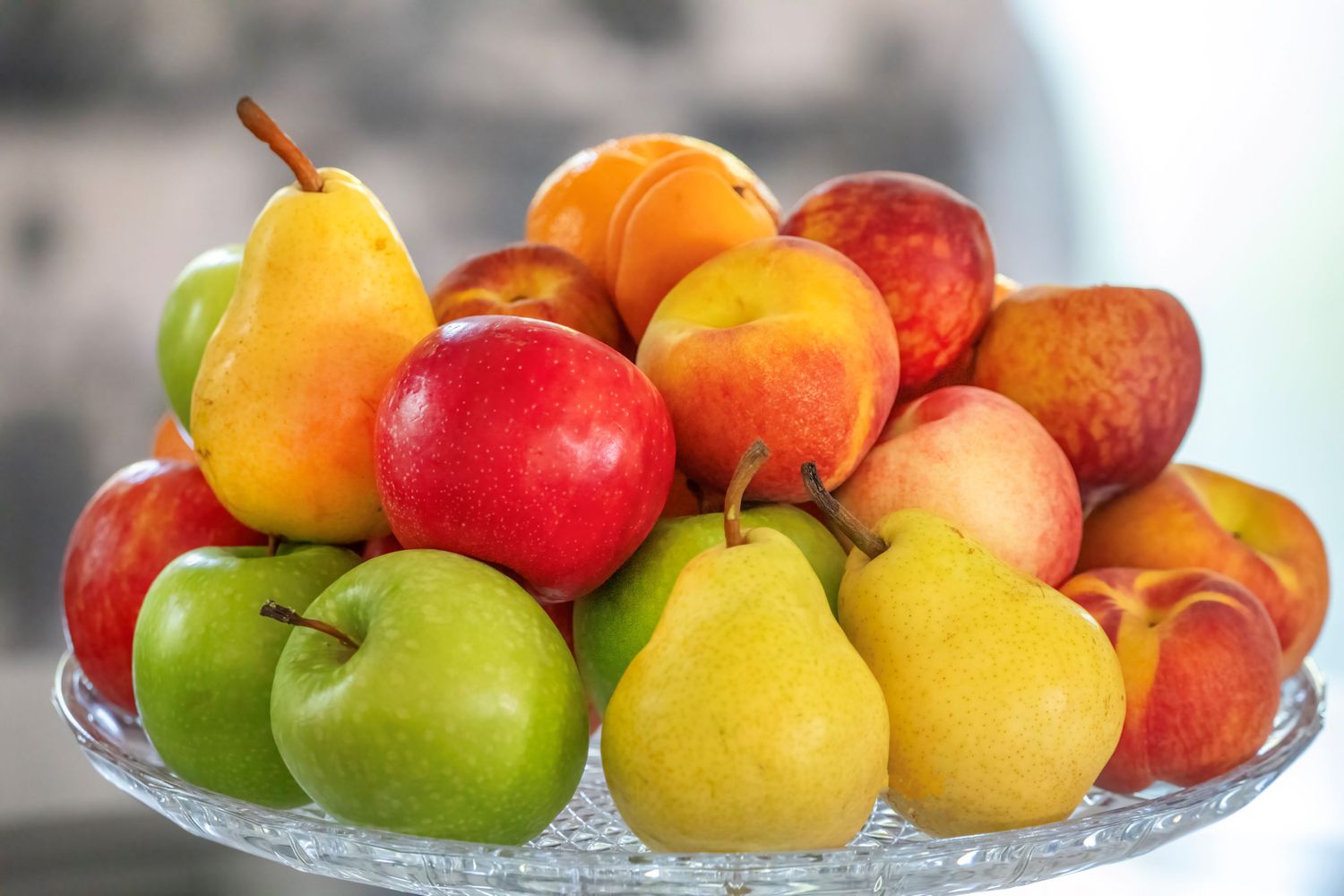
High cholesterol levels in your blood may increase your risk for heart disease and other health issues. Many fruits contain soluble fiber, antioxidants, and other nutrients that may help lower cholesterol.
1. Apples
SimonSkafar / Getty Images
Apples are a good source of fiber and polyphenols, two nutrients found to lower cholesterol in various studies.
In one study, adults with moderately high cholesterol ate two whole apples daily for 12 weeks. They experienced lower cholesterol levels and improved low-density lipoprotein (LDL, or “bad”) cholesterol, total cholesterol, and triglycerides.
2. Stone Fruits
Tracey Kusiewicz/Foodie Photography / Getty Images
Stone fruits (apricots, peaches, plums, etc.) contain large, hard seeds in their middle.
Stone fruits contain antioxidants such as anthocyanins, flavonoids, and carotenoids, all linked to heart-protective effects.
Soluble fiber is also present in stone fruits and has lowered LDL cholesterol in various studies.
3. Mangoes
mtreasure / Getty Images
Mangoes are a rich source of fiber, vitamins, and minerals that are thought to help reduce cholesterol and protect the heart.
Regular mango consumption has been associated with a lower overall intake of dietary cholesterol (cholesterol from foods).
According to one review, eating mangoes may help lower the overall risk of heart disease and other chronic conditions.
4. Citrus Fruits
Burke/Triolo Productions / Getty Images
In various studies, oranges, grapefruits, and other citrus fruits have had cholesterol-lowering effects.
In one such study, adults who ate half a grapefruit with each meal for six weeks saw improvements in LDL and total cholesterol levels. Additional research shows that antioxidant-rich oranges and orange juice may help lower LDL cholesterol levels.
It’s worth noting that grapefruit interacts with statins, medications that lower cholesterol. If you take statins, talk with a healthcare provider before using grapefruit.
5. Kiwifruit
ASMR / Getty Images
Kiwifruit (or kiwi) may help manage high cholesterol due to its vitamin, mineral, fiber, and antioxidant content.
Soluble fiber in kiwifruit may bind to cholesterol in the blood and increase its excretion. Kiwifruit has also increased levels of HDL (high-density lipoprotein) cholesterol, known as “good” cholesterol, because it helps reduce the amount of “bad” cholesterol in the blood.
6. Pears
Sasha Bell / Getty Images
Research shows that regular consumption of pears may improve heart health parameters, including high cholesterol.
Pears have decreased LDL and total cholesterol in rats fed a high-cholesterol diet. Lab research suggests that pear skins have the highest concentration of cholesterol-lowering properties compared to pear pulp.
7. Berries
SimpleImages / Getty Images
Berries like raspberries, strawberries, and blueberries are high in soluble fiber and antioxidants, vital for heart health.
According to one meta-analysis of studies, consumption of berries significantly lowered LDL “bad” cholesterol compared to a placebo. Although the exact mechanism is unknown, researchers believe that components in berries may interact with specific proteins in the blood, leading to an increase in HDL “good” cholesterol.
8. Grapes
DebbiSmirnoff / Getty Images
Grapes are rich in polyphenols, plant compounds that benefit cholesterol and heart health.
Compared to a placebo, grapes have improved blood lipids by decreasing total cholesterol and increasing HDL cholesterol. These effects were seen in healthy subjects and those with high cholesterol and other health conditions.
9. Avocados
ANGELA WEISS / Contributor / Getty Images
Avocados contain healthy fats and plant sterols that may have cholesterol-lowering effects.
Various studies have shown that regular consumption of avocados increased HDL cholesterol and decreased LDL cholesterol. Plant sterols found in avocados blocked some cholesterol absorption in the intestine, increasing cholesterol excretion.
What Causes High Cholesterol?
In general, lifestyle factors or genetics can cause high cholesterol.
Cholesterol is a fat-like substance found throughout your body. Your body requires cholesterol for specific bodily functions.
However, too much may cause cholesterol to stick to your arteries and lead to coronary artery disease.
More specifically, high cholesterol may be caused by:
- A diet that is high in saturated fat
- A lack of exercise
- Smoking
- Drinking alcohol
- Excessive stress
- Genetics
The following may also increase your risk of developing high cholesterol:
- Age
- Sex
- Race
- Specific health conditions
- Specific medicines
Other Ways to Lower Your Cholesterol
It’s key to lower elevated cholesterol levels to reduce the risk of heart disease, stroke, and other issues.
A healthcare provider may recommend specific cholesterol-lowering medications to help manage high cholesterol.
You may also consider a more natural approach to lowering your cholesterol, such as:
- Follow a heart-healthy eating plan
- Manage your weight
- Engage in regular exercise
- Reduce stress in your life
- Avoid smoking or excessive drinking
- Get enough sleep
A healthcare provider can test you for high cholesterol and help you find treatment options.