

:max_bytes(150000):strip_icc():format(jpeg)/VWH-GettyImages-1391408321-9b593cf83fcc4b11b09355672e9a197c.jpg)
Potassium helps regulate blood pressure, supports muscle contractions, and keeps heart rhythm steady. Many over-the-counter potassium supplements contain 99 milligrams (mg) of potassium, which is far less than the daily recommended intake.
Potassium-rich foods often provide more of the nutrient, along with fiber, antioxidants, and other nutrients linked to lower blood pressure and fewer cardiovascular events.
Recommended Potassium Intake
Individual potassium needs can vary based on age, activity level, pregnancy, and other health conditions, but the general recommended intake is:
- Adult women: 2,600 mg per day
- Adult men: 3,400 mg per day
1. White Beans
phototechno / Getty Images
Serving size: 1 cup
Potassium: 1,000 mg
White beans are one of the most readily available potassium-rich foods. These legumes give you plant protein and soluble fiber that support heart health and steady blood sugar.
Because many canned beans have added salt, be sure to rinse them if you want to reduce sodium levels before adding to soups, salads, or pasta dishes.
Other Beans Loaded With Potassium
Lima beans (955 mg per cup) and Adzuki beans (1220 mg per cup), which may be harder to find, are exceptionally high in potassium.
2. Baked Potato
LauriPatterson / Getty Images
Serving size: Medium potato (with skin)
Potassium: 950 mg
A baked potato with the skin contains more potassium than many fruits. The skin contains plenty of fiber and minerals, so avoid peeling when possible.
3. Spinach
SherSor / Getty Images
Serving size: 1 cup (cooked)
Potassium: 839 mg
One cup of cooked spinach provides a substantial amount of potassium and magnesium. Both minerals contribute to healthy blood pressure regulation.
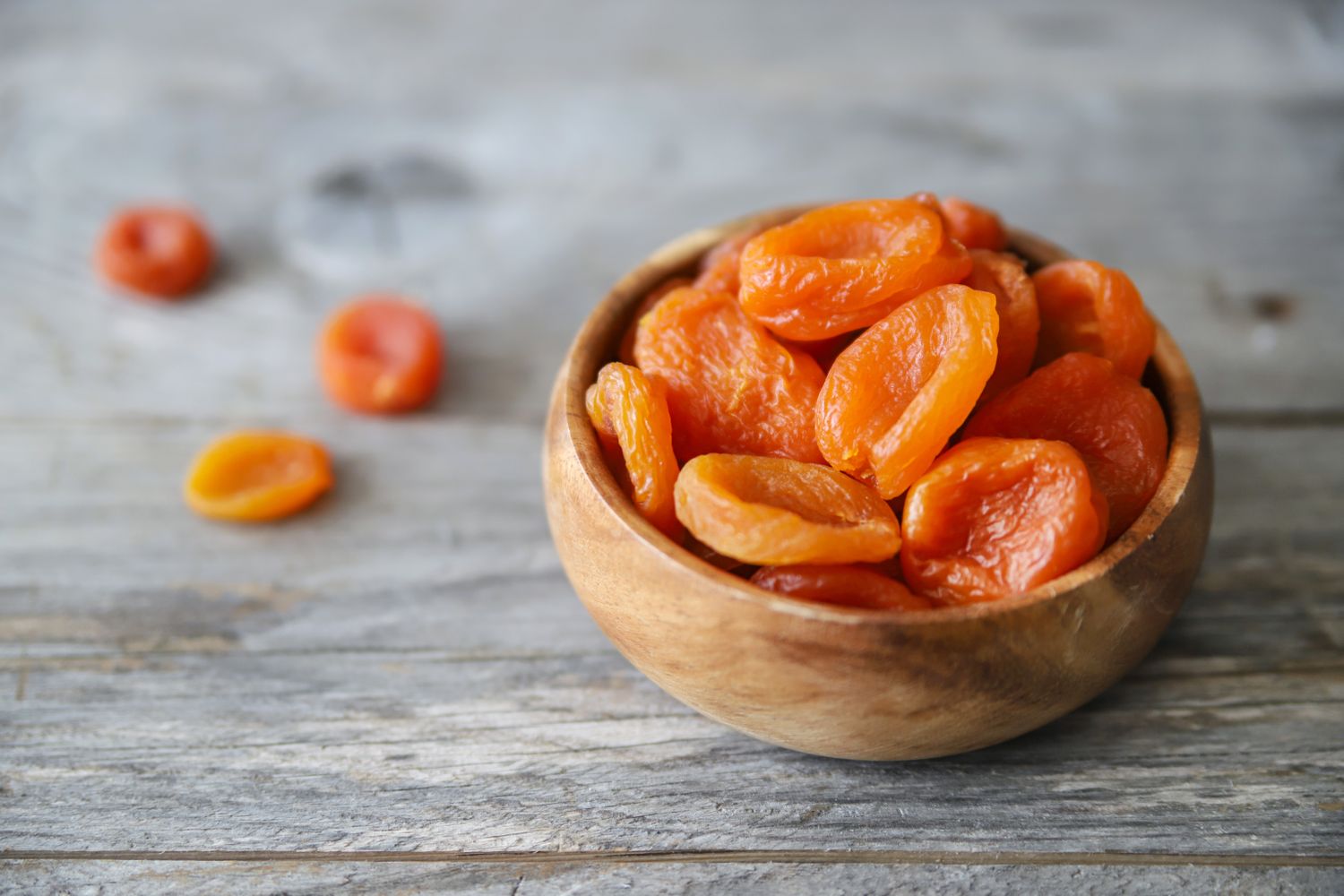
4. Dried Apricots
imageBROKER/Christoph Schöne / Getty Images
Serving size: 1/2 cup
Potassium: 755 mg
A small portion of dried apricots contains a lot of potassium, which can be helpful during sweat-inducing bouts of activity. Choose unsweetened varieties to limit added sugar.
5. Lentils
etorres69 / Getty Images
Serving size: 1 cup (cooked)
Potassium: 731 mg
Lentils are another nutrient-dense legume. They provide potassium, along with iron, fiber, and plant protein, and may support heart health, digestion, and reduced inflammation.
Add them to soups and stews, or eat them as a protein-rich meat substitute.
6. Salmon
Olga Mazyarkina / Getty Images
Serving size: 6 ounces
Potassium: 652 mg
Salmon is one of the best animal-based sources of potassium. It also delivers omega-3 fatty acids (EPA and DHA), which are linked to improved heart health and reduced inflammation. Try eating salmon grilled, baked, or poached to help preserve nutrients.
7. Avocado
Nazar Abbas Photography / Getty Images
Serving size: 1 /2 avocado
Potassium: 488 mg
Avocados are known for their healthy fats, but they also provide significant amounts of potassium and fiber. Depending on its size, half an avocado can provide more potassium than a medium banana.
8. Banana
timonko / Getty Images
Serving size: 1 medium banana
Potassium: 422 mg
For many, bananas are synonymous with potassium. While they’re not the highest source per serving, they remain a convenient way to increase your potassium intake as part of a heart-healthy diet.
9. Greek Yogurt
annick vanderschelden photography / Getty Images
Serving size: 6-ounce container
Potassium: 240 mg
When it contains live cultures, plain Greek yogurt provides potassium along with calcium, protein, and probiotics.
Use it as a substitute for sour cream or mayonnaise to reduce saturated fat, or pair yogurt with fruit to further boost potassium intake.
Risks and Considerations
It’s safe for most people to eat potassium-rich foods, but some people should take caution.
For example, because the kidneys regulate potassium levels, people with chronic kidney disease may not be able to clear excess potassium effectively. This can lead to hyperkalemia, a potentially dangerous buildup of potassium in the blood.
Certain medications, including ACE inhibitors, ARBs, and potassium-sparing diuretics, can also raise potassium levels.
If you have kidney disease, heart conditions, or take these medications, speak with a healthcare provider before significantly increasing your potassium intake.