
For a long time, I treated my health like something I would deal with later.
If I was tired, I blamed work. If I wasn’t exercising, I told myself I’d start next week. If I ate badly for a few days, I’d say I’d “get back on track” after the weekend.
The funny thing is that there was always another weekend.
I think a lot of people can relate to this. We usually know what we’re supposed to do. Eat better. Sleep properly. Exercise. Drink enough water. Take breaks. Go for checkups.
Knowing it and actually doing it are two completely different things.
What finally helped me wasn’t finding some amazing diet or buying an expensive fitness device. It was making a few boring changes and sticking with them long enough to notice a difference.
I’m not a doctor, and this isn’t medical advice. I’m just sharing the everyday things I’ve learned about looking after my health and the mistakes I wish I had avoided earlier.
I Started With Sleep
Sleep was probably the first thing I underestimated.
There were plenty of nights when I would stay awake much later than I should because I was watching something, working, scrolling through my phone, or simply didn’t feel like going to bed yet.
Then the next morning I’d wonder why I felt exhausted.
At some point I realized I was trying to fix daytime tiredness with coffee instead of fixing the reason I was tired in the first place.
I started paying more attention to my bedtime.
Nothing complicated. I just tried to go to bed at roughly the same time and stopped treating midnight as the beginning of another work session.
I also started putting my phone away earlier when possible.
That wasn’t easy at first. It’s surprisingly easy to tell yourself you’ll only check one thing and then realize you’ve spent another 40 minutes looking at completely unrelated posts.
Getting enough sleep won’t solve every health problem, of course, but being constantly tired makes almost everything else harder.
It’s harder to exercise when you’re exhausted.
It’s harder to prepare a decent meal.
It’s harder to concentrate.
Even your mood can feel different.
So if you’re trying to improve your health, I’d honestly start with sleep before buying another supplement or complicated gadget.
I Stopped Trying to Eat “Perfectly”
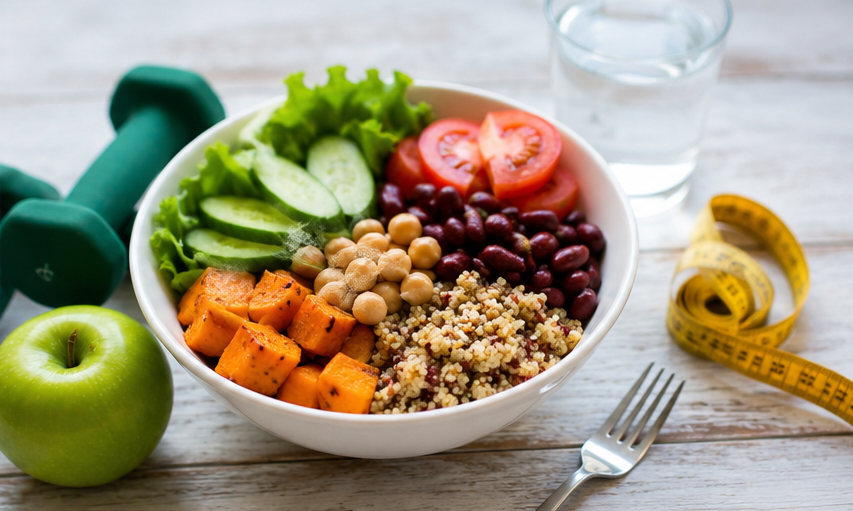
Another mistake I made was thinking healthy eating meant eating perfectly.
I’d have a few good days and then eat something unhealthy. Instead of treating it as one meal, I’d think I’d already ruined everything.
That way of thinking doesn’t help.
You don’t need to eat a perfect diet every day.
There are going to be birthdays, restaurant meals, family dinners, holidays and those evenings when you simply don’t feel like cooking.
What matters more is what you normally eat.
These days, I try to make my regular meals reasonably balanced instead of worrying about whether every individual meal is perfect.
I’ll usually try to include some vegetables or fruit, a source of protein, and a filling carbohydrate such as rice, potatoes, oats, or whole grains, depending on the meal.
I also learned that making healthy food convenient matters more than I expected.
If there is nothing ready to eat at home and I’m hungry, I’m much more likely to order something.
So sometimes the healthier choice is simply preparing food before you’re starving.
Even making a basic meal ahead of time can help.
It doesn’t have to look like one of those perfect meal-prep videos online where seven identical containers are lined up perfectly.
Real life isn’t that organized.
Sometimes leftovers in the refrigerator are good enough.
Water Is Easy to Forget
I used to go through a large part of the day without thinking about water.
Then I’d suddenly realize I hadn’t had much to drink.
Keeping a bottle nearby helped because I didn’t have to remember to go find water every time.
That’s a small change, but small changes are often the ones that stick.
How much fluid someone needs can vary. Weather, activity, diet, body size, and health conditions all matter.
If you’re exercising outdoors in hot weather, for example, your needs won’t necessarily be the same as someone spending the day in an air-conditioned office.
So I wouldn’t get too caught up in one universal number you see online.
Drink regularly, pay attention to thirst, and follow medical advice if you have a condition that affects how much fluid you should consume.
Exercise Doesn’t Have to Start at the Gym
I used to think exercise needed to be a proper workout.
If I didn’t have enough time for a full gym session, I’d do nothing.
That was a mistake.
A walk is still a walk.
Taking the stairs is still movement.
Getting up from your desk instead of sitting for another two hours is better than not moving at all.
Once I stopped thinking that every bit of exercise had to be a serious workout, becoming active got much easier.
If you’re not exercising much right now, don’t feel like you need to suddenly start training every day.
Start with something you can actually see yourself doing next week.
Maybe it’s a 15-minute walk.
Maybe it’s walking after dinner.
Maybe it’s doing a few basic exercises at home.
Once that becomes normal, you can increase it.
I’ve found that consistency is much more useful than having one extremely ambitious workout followed by several days of doing nothing because everything hurts.
Your Phone Can Actually Help
Phones get blamed for a lot of health problems, and sometimes that’s justified.
But they can also be useful.
For example, most modern smartphones can track steps and activity. Apps such as Apple Health and Google Fit can give you a general idea of how active you’ve been.
Fitness watches from companies such as Apple, Garmin, and Fitbit can also track things like workouts, heart rate, and sleep estimates.
I like having that information because it can reveal things you don’t notice.
You might think you’re moving around all day because you’re busy, then look at your activity and realize you’ve spent most of the day sitting.
But there’s a line I wouldn’t cross.
Don’t let your watch become your doctor.
Wearable devices can provide useful information, but they’re not a replacement for professional medical evaluation. If a device gives you an unusual reading repeatedly or you’re experiencing symptoms, don’t spend hours trying to diagnose yourself from Google.
Talk to a qualified healthcare professional.
Stress Can Affect Your Routine More Than You Think
There’s another part of health that’s easy to ignore because you can’t always see it.
Stress.
I’ve noticed that when I’m under a lot of pressure, my normal habits are usually the first things to disappear.
Sleep gets worse.
Meals become less organized.
Exercise gets pushed aside.
And somehow I spend even more time staring at a screen.
The problem is that stress doesn’t always come with an obvious warning.
Sometimes you’re just constantly tired and irritated and assume you need more coffee.
A few things can help create some breathing room.
A short walk can help.
Talking to someone can help.
Taking a break from your screen can help.
Spending time doing something you actually enjoy can help.
For some people, meditation or breathing exercises are useful.
There’s no single method that works for everybody.
And if you’re dealing with ongoing anxiety, depression, overwhelming stress, or other mental-health concerns, getting professional help is a much better option than trying to solve everything through random internet advice.
Don’t Ignore Regular Healthcare

There’s a habit I think more people should take seriously: don’t wait until you’re seriously unwell before paying attention to your health.
Regular medical and dental care can help you discuss problems before they become bigger issues.
Depending on your age and personal circumstances, healthcare professionals may recommend things such as vaccinations, blood pressure checks, dental examinations, vision checks, or certain screening tests.
The important part is that there isn’t one checklist that applies to everyone.
Your age, family history, medications, lifestyle, and other factors can change what is appropriate.
So rather than copying a health routine from someone on social media, ask your own healthcare professional what preventive care makes sense for you.
A Few Health Mistakes I Wouldn’t Repeat
One mistake is trying to change everything overnight.
New diet.
New workout.
New sleep schedule.
New supplements.
New morning routine.
By day three, you’re exhausted.
I’ve found it much easier to change one or two things at a time.
Another mistake is believing every health claim that sounds convincing online.
A video can have millions of views and still contain bad information.
Someone having a medical degree also doesn’t automatically mean every statement they make online applies to your specific situation.
Look at where the information comes from.
Be especially careful with claims that promise extremely fast results or say one food, drink, supplement, or exercise can “fix” a serious health problem.
Real health is rarely that simple.
I would also avoid spending a lot of money before fixing the basics.
You don’t need an expensive smartwatch to remind you to walk.
You don’t need a cupboard full of supplements to start eating more vegetables.
You don’t need a fancy home gym to become more active.
Use what you already have first.
What My Routine Looks Like Now
My approach is much less complicated than it used to be.
I try to get reasonable sleep instead of constantly borrowing time from the night.
I try to eat normal, balanced meals most of the time.
I drink water throughout the day.
I make an effort to move rather than sitting continuously for hours.
I use my phone and fitness tools for reminders and general tracking, but I don’t obsess over every number.
And when something about my health seems unusual or doesn’t go away, I don’t automatically assume I know what’s causing it.
That’s probably the biggest change.
I used to search for an answer and convince myself I had figured everything out.
Now I’m much more comfortable saying, “I don’t know what’s causing this,” and getting proper advice when necessary.
If You’re Starting From Zero
If you’ve been neglecting your health for a while, don’t try to fix your entire life this week.
Start ridiculously simple.
Go for a short walk.
Drink some water.
Get to bed a little earlier.
Buy a few healthier foods during your next grocery trip.
Stand up regularly if you work at a desk.
Call the doctor or dentist if you’ve been putting off an appointment you should make.
Then repeat those things.
After a week or two, add something else.
That’s much more realistic than waking up on Monday and deciding you’re going to exercise for two hours, eat nothing but salads, drink a gallon of water, meditate for 30 minutes, and sleep perfectly every night.
I’ve tried the “new life starts Monday” approach.
Monday usually wasn’t the problem.
Tuesday was.
By Tuesday, real life had returned.
The Part That Doesn’t Get Much Attention
One thing I’ve learned is that looking after your health isn’t always exciting.
There isn’t always a dramatic before-and-after picture.
Sometimes the progress is simply realizing that you went for a walk instead of sitting all evening.
Or getting into bed instead of scrolling for another hour.
Or preparing food at home because you know you’ll be hungry later.
Or finally making that appointment you’ve been avoiding.
Those choices don’t look impressive on social media.
But they are practical.
And practical is what matters when you’re trying to build habits that can survive a normal week.
You don’t have to become a completely different person to take better care of yourself.
Start with something small enough that you won’t talk yourself out of it.
Then do it again tomorrow.
And if you have a medical concern, persistent symptoms, or questions about a diet, exercise program, medication, or supplement, speak with a qualified healthcare professional who can consider your individual situation.
That’s a much safer approach than trying to figure everything out from a blog post—including this one.