

Key Takeaways
- Mixing caffeine with alcohol may increase alertness, but your blood alcohol level and impairment stay the same.
- Combining the two can also temporarily increase blood pressure,
- If drinking a caffeinated cocktail, be mindful of the type of beverage used. Energy drinks typically contain more caffeine than coffee.
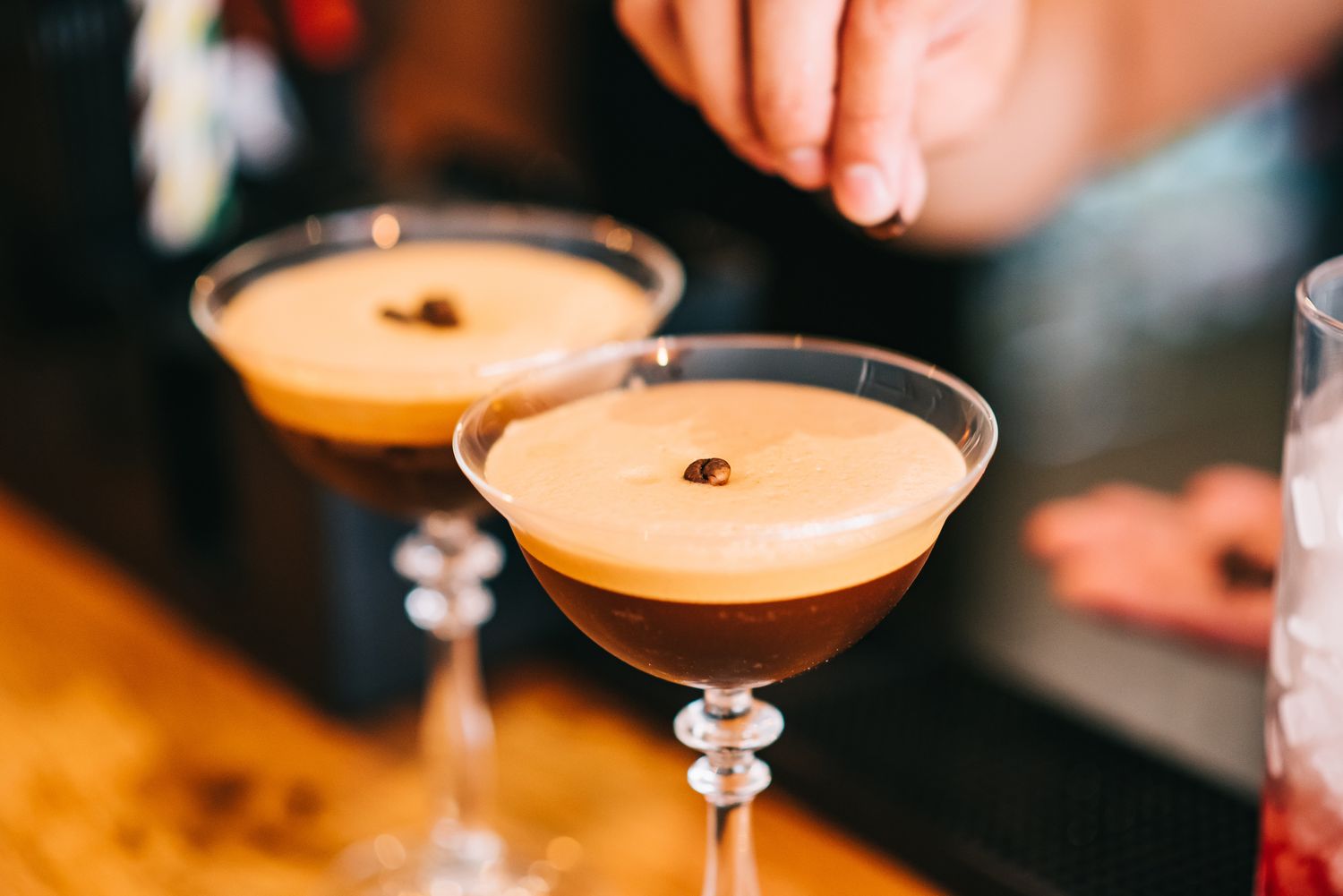
Espresso martinis, vodka energy drinks, and Irish coffees are all popular drinks that mix caffeine with alcohol. While caffeine may make you feel more alert, it does not reduce alcohol impairment. Instead, caffeine may mask some of the effects of alcohol, which may make you feel less intoxicated than you really are.
Effects of Combining Caffeine and Alcohol
Research has found that people who consumed an energy drink with alcohol reported feeling less drunk, but their breath alcohol concentration (BAC) was unchanged. This suggests that caffeine altered perception of intoxication but did not actually reduce impairment.
The Centers for Disease Control and Prevention (CDC) reports that combining alcohol and caffeine increases the likelihood of drinking more, which could make alcohol’s effects even stronger.
The CDC also notes that this combination has been associated with:
- Increased blood pressure
- Irregular heartbeat
- Dehydration
- Risky behaviors such as binge drinking, driving while intoxicated, or riding with an intoxicated driver
How Caffeine Affects Your Body
Caffeine has several effects on the body, including:
- Stimulant effects: As a stimulant, it activates the central nervous system (CNS). This is what makes you feel more awake and energetic.
- Diuretic effects: It also has a diuretic effect, which makes your body eliminate extra salt and water through the urine.
- Blood pressure effects: Caffeine can even temporarily increase your blood pressure.
Caffeine’s effects can kick in quickly and can last for several hours.
How Alcohol Affects Your Body
Alcohol affects the body differently than caffeine. While caffeine is a CNS stimulant, alcohol is a CNS depressant, which means it slows brain activity and can affect:
- Mood
- Memory
- Behavior
- Coordination
- Self-control
Additionally, alcohol can raise your blood pressure and heart rate, especially when consumed in larger amounts.
Can Caffeine Sober You Up?
What if you drank too much and need to sober up quickly—will a quick energy drink or cup of coffee do the job? Not quite. The only remedy is time.
The effects of alcohol continue after you finish drinking, and even caffeine cannot stop that. Caffeine may help you feel less drowsy, but it will not counteract the effects that alcohol has on your body. The body needs time to process and eliminate the alcohol before you are sobered up.
Also, according to the National Institute on Alcohol Abuse and Alcoholism, drinking caffeine after alcohol may lead to increased sleepiness once the caffeine wears off, adding to the sedating effects of alcohol.
Does the Type of Caffeinated Drink Matter?
If you do choose to combine caffeine and alcohol, it may help to be mindful of caffeine intake and the type of caffeinated beverage you choose.
Energy drinks can contain even more caffeine than a typical cup of coffee. Some energy drinks contain more than 200 milligrams of caffeine per serving, and some products contain more than one serving.
Higher amounts of caffeine may reduce feelings of fatigue, but your blood alcohol concentration may stay the same or go up, depending on whether you continue drinking. Paying attention to caffeine content may help you avoid unintentionally consuming large amounts.
:max_bytes(150000):strip_icc()/IMG_9695-8b4dc875a72440b48ade68c160fc970b-0f69e10a6856432c81f7663e477daebd.jpg)