

:max_bytes(150000):strip_icc():format(jpeg)/AlopeciaUniversalisASubtypeCapableofCausingCompleteHairLoss_txt_final-a1f774fabd7c4077a05fe48346c67d9f.png)
Key Takeaways
- Alopecia universalis causes complete hair loss on the scalp, face, and body.
- This condition is an autoimmune disease where the immune system attacks healthy hair follicles.
- There is no cure for alopecia universalis, but some treatments can help improve symptoms.
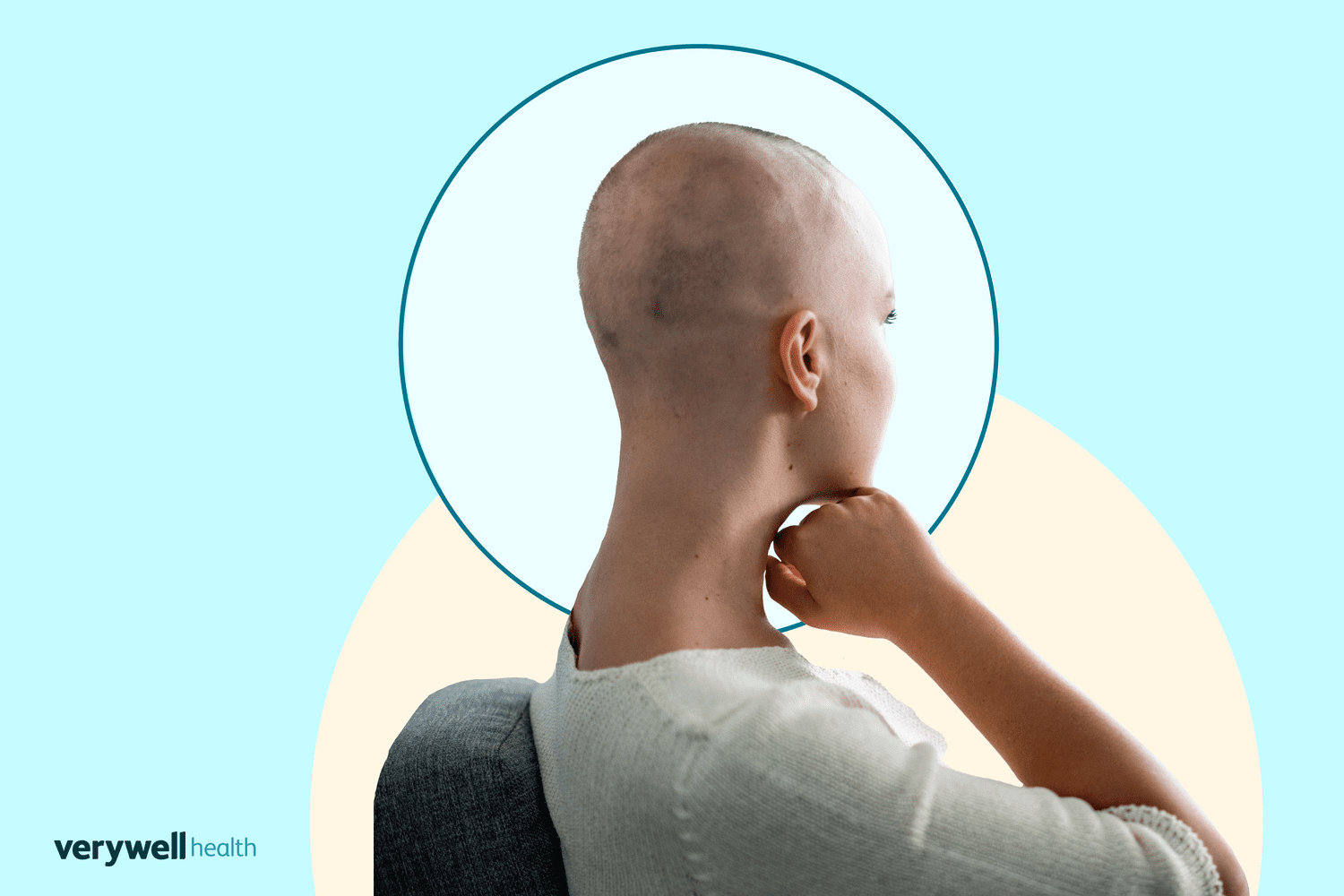
Alopecia universalis is a common skin disease that causes sudden total hair loss on your scalp, face, and body. It occurs when a faulty immune system attacks healthy hair follicles.
Alopecia universalis is a severe form of alopecia areata, which causes patchy hair loss on your scalp and face. Another form of this disease, called alopecia totalis, causes total hair loss on your scalp.
There is no cure for this disease. While it can be hard to regrow lost hair, treatments can sometimes improve symptoms. Some of the most hopeful treatments involve newer drugs called Janus kinase (JAK) inhibitors.
Photo composite by Michela Buttignol for Verywell Health; Getty Images
Symptoms: What’s Different About Alopecia Universalis?
Symptoms of alopecia universalis typically begin with alopecia areata, which involves patchy areas of baldness on your scalp or other areas of your body that grow hair. The conversion to alopecia universalis can expand to include total hair loss, often in a very short period, on your scalp and all hair-producing areas of your body, including:
- Eyebrows
- Eyelashes
- Face
- Back and chest
- Arms, legs, and underarms
- Pubic area
- Any other hair-producing areas of your body, including inside your nose
Any form of alopecia areata can include the following symptoms:
- Burning or itching in the areas of hair loss
- Random gray or white hairs in the areas of hair loss
- “Exclamation point” hairs (hair that starts regrowing but breaks off after just a few millimeters of growth)
- Fingernail stippling or pitting (rows of tiny dents
- Trachyonychia (rough lengthwise nail ridges down your nails), which can cause pain
- Burning, tingling, or itching sensations just before hair loss
While hair loss is characteristic of alopecia universalis, it can also occur as a symptom of a medical condition like lupus, medication side effects, a nutritional deficiency, or other health conditions, so it’s important to get an accurate diagnosis for the cause of your hair loss to ensure appropriate treatment.
What Causes It?
The exact cause of alopecia universalis is unknown. However, research indicates that it is likely an autoimmune disease. This type of condition occurs when an overactive immune system mistakes healthy cells for foreign substances and attacks them. In alopecia universalis, your immune system attacks and destroys healthy hair follicle structures, which results in hair loss.
People who have alopecia universalis have a change in their genetic material. However, alopecia universalis is considered a polygenic disease, meaning it is related to multiple genetic factors. As a result, not everyone with the same genes will get the disease.
Research on identical twins has shown that identical twins only get alopecia areata together about 55% of the time. This suggests that forms of alopecia areata are not simply related to genetics. Instead, they may occur due to a combination of inherited and environmental factors.
Factors that may contribute to the development of alopecia universalis include:
- Hereditary mutations passed from parents to children, though both parents must pass the gene to a child for the disease to occur
- Random mutations that occur when cells divide
- Viruses
- Environmental factors such as ultraviolet radiation from sunlight exposure
Alopecia universalis can affect anyone. Symptoms can appear at any age, though it usually affects people in middle age. According to one study of Americans affected by alopecia areata and its subtypes, people of certain populations, especially Asian Americans, appear to have a higher prevalence of this disease than do White Americans.
You have a higher risk of getting alopecia univeralis if you have a family member who has the disease. Your risk is higher if that relative lost their hair before age 30.
How to Get Hair Loss Diagnosed
If you have bald patches or an increase in hair loss, contact your healthcare provider or a dermatologist, a specialist in disease and conditions of the skin. With so many potential causes for hair loss, only a healthcare provider can confirm the source of your symptoms.
A diagnosis of alopecia universalis may be made based on the following evaluations:
- Physical examination of your scalp, face, and other areas where hair usually grows
- Physical examination of your nails
- Personal and family medical histories
- Discussion of diet and lifestyle
There are also tests to check for active hair loss. These include:
- Pull test: This test checks for active hair shedding. It involves grasping about 40 strands of hair together and tugging on them. If more than six strands come out, active hair loss is present.
- Tug test: This test involves tugging on a few strands of hair to check if any break.
- Card test: During this test, your healthcare provider will part your hair and hold a felt card against your scalp at the part. The card allows them to see the smallest hairs or broken strands.
Based on your symptoms, one or more of the following tests may also be used to confirm your diagnosis:
- Blood tests: While a blood test can’t confirm a diagnosis of alopecia universalis, it can identify the presence of other diseases that may be causing hair loss.
- Cultures: A swab or sample of skin or hair can be used to check for fungal infections like tinea capitis (scalp ringworm), that may be causing hair loss.
- Scalp biopsy: This involves cutting a small section of skin from your scalp for testing in a laboratory.
- Light microscopy: This test examines strands of existing hair for signs of disease.
Alopecia Universalis and Hair Regrowth: What’s Possible?
The permanence of hair loss caused by alopecia universalis varies by individual. Hair regrowth that occurs spontaneously or with treatment is always possible because the hair follicle is not destroyed. Despite hair loss, your hair follicles remain alive in alopecia universalis and all subtypes of alopecia areata.
While hair regrowth can happen after many years of severe or widespread hair loss, it is not common. The chance of full hair regrowth and recovery in alopecia universalis is below 10%.
Treatment Options
Janus Kinase Inhibitors
JAK inhibitors are immunomodulatory drugs, which modify your immune system. They interfere with JAKs, which stimulate your immune cells and produce blood enzymes called cytokines.
Overproduction of proinflammatory cytokines can trigger inflammation. By curbing the production of JAKs, JAK inhibitors decrease the number of cytokines. With fewer cytokines, inflammation is reduced, creating a more favorable environment for hair regrowth.
Clinical trials on two JAK inhibitors have demonstrated hair regrowth covering 80% or more on treated scalps. These once-daily pills, which are approved by the Food and Drug Administration (FDA) for the treatment of severe alopecia areata such as alopecia universalis include:
- Olumiant (baricitinib), which is only for adults
- Litfulo (ritlecitinib), which is also a tyrosine kinase inhibitor (TKI) that is approved for people ages 12 years and older
- Xeljanz (tofacitinib), wich is sometimes prescribed off-label for alopecia areata (meaning it was not cleared by the FDA to treat alopecia areata but has been found to be effective for it)
- Leqselvi (deuruxolitinib), a TKI approved for the treatment of adults with severe alopecia areata
While JAK inhibitors offer promising results for treating alopecia universalis, the FDA requires that these drugs carry a boxed warning about the possibility of the following side effects:
- Increased risk of death
- Serious infections
- Cancer and immune system problems
- Increased risk of major cardiovascular events
- Blood clots
JAK inhibitors are sometimes used with one of the following therapies to treat alopecia universalis and other types of severe alopecia.
Oral Minoxidil
Oral minoxidilis a tablet form of the main ingredient in Rogaine, a topical treatment for male-pattern baldness and female-pattern hair loss.
Research indicates that low doses of oral minoxidil, commonly used to treat high blood pressure (hypertension), can further promote hair regrowth in some cases of alopecia areata when used in conjunction with an immune modulator or immunosuppressive agent. Oral minoxidil is sometimes used off-label as an alternative to topical minoxidil.
Oral minoxidil has a low incidence of adverse effects. The most common side effects include:
Intralesional Corticosteroids
Intralesional corticosteroids encourage hair growth by decreasing inflammation around affected hair follicles. This treatment involves using a very fine needle to inject steroids into the areas of missing hair. It is the most common treatment for adults.
Hair regrowth can occur within six to eight weeks when successful, with the process repeated every four to six weeks when hair regrows. If there is no hair regrowth after six months, treatment should be discontinued.
Side effects can be injection site-related or treatment-related.
Injection site side effects may include;
- Pain
- Bleeding
- Infection
- Allergic reaction to the ingredients
- Temporary dents, called dells, from the injections
Treatment-related side effects can include:
- Atrophy (thinning of the skin)
- Telangiectasia (increased visibility of spider veins in the treated area)
- Acne-like spots on your skin
- Rarely, mood changes or insomnia
Contact Immunotherapy
Contact immunotherapy attempts to get your immune system to stop attacking your hair follicles, which causes hair loss. The treatment induces an inflammatory response to the applied area. The success of this treatment for hair regrowth ranges from 17% to 75%.
Contact immunotherapy is administered in weekly treatments at your dermatologist’s office. It involves the application of one of the following substances to areas affected by hair loss:
- Dinitrochlorobenzene
- Squaric acid dibutylester
- Diphenylcyclopropenone
Contact immunotherapy has a relatively low rate of side effects. When complications occur, they can include:
Other Oral Medications
Treatment regimens for alopecia universalis can vary significantly. Your dermatologist may also prescribe one of the following oral medications, among others:
- Prednisone
- Oral immunosuppressants, such as methotrexate and cyclosporine
- Other medications that work on your immune system
Clinical Trials
If you have alopecia universalis that has not improved with traditional treatments, you may benefit from enrolling in a clinical trial. Clinical trial volunteers gain access to a potential new medication before it is available to the public.
During a clinical trial, the medication is administered and observed by clinical personnel, along with medical tests to determine the effectiveness of the drug and its potential side effects. This helps to ensure your safety as a volunteer as well as the integrity of the study results.
Talk to your healthcare provider regarding the benefits and potential drawbacks of volunteering in a clinical trial and whether it may be right for you.
How Diet and Supplements Work in Treating Alopecia Universalis
Research indicates that insufficiencies of certain micronutrients, including vitamin D, zinc, and vitamin A, are linked to the incidence and severity of all forms of alopecia areata. These nutrients play key roles in immune function and may be valuable as adjunct treatment options for all types of alopecia areata.
A diet that excludes autoimmune trigger foods and replenishes these key micronutrients through food and supplements may be valuable in treating alopecia universalis.
Coping With Hair Changes
While the emotional aspects of the disease can be discouraging, taking the following steps can help you remain positive, deal with your symptoms, and cope with the challenges of alopecia universalis:
- Learn about new and emerging treatment options: Staying current on medical treatments can help ensure that you have access to the best possible treatments. If existing treatments have not improved your symptoms, consider getting involved in a clinical trial.
- Reduce and manage stress: Many people with alopecia areata claim that stress worsens symptoms. To offset the potential impact of stress on hair loss, prioritize relaxation and self-care. Try daily exercise, yoga, or daily meditation, and aim for at least seven to eight hours of sleep nightly.
- Use accessories to offset the effects of hair loss: Try wearing hats, scarves, or wigs to cover the scalp and sunglasses for eyebrow loss. In addition to complementing your appearance, these accessories also protect your bare skin from the effects of the elements.
- Find a support group: Joining a support group for people who have any type of alopecia areata can help you connect with others who share your challenges. These groups can provide a supportive network to help you manage your feelings and cope with the disease.
You can find support groups via the following organizations:
- The National Alopecia Areata Foundation (NAAF): The NAAF maintains support group information for local groups, telephone groups, and children’s groups across the country. The NAAF also sponsors a youth mentor program, one-on-one phone support, and an annual national patient conference.
- Smart Patients Alopecia: This online community is a discussion forum for patients and caregivers affected by alopecia areata.
- Seek professional help: Consult a professional counselor or therapist if you are struggling to cope with the impact of alopecia universalis. Mental health counseling can help you identify and manage symptoms of anxiety and depression. They can also help you develop coping strategies to thrive.
Research Advancements
Research advancements in the treatment of alopecia universalis include:
- JAK inhibitors: Since 2022, the FDA has approved two JAK inhibitors for the treatment of alopecia areata. JAK inhibitors has helped some patients with alopecia universalis and other types of alopecia areata regrow hair. These medications tend to work quickly. They offer an alternative to people who have not achieved hair regrowth with other treatments. Additional JAK inhibitors, including deuruxolitinib, are undergoing clinical trials.
- Opzelura (ruxolitinib): A female patient in her late teens was treated with topical ruxolitinib for alopecia universalis. Opzelura (ruxolitinib) is a JAK inhibitor used to treat eczema. After using the topical cream twice daily on her scalp and eyebrows, the patient achieved hair regrowth of 10% to the scalp and eyebrow regions. The results indicate a new treatment opportunity using topical JAK inhibitors for alopecia universalis.
- Xeljanz (tofacitinib citrate): Treatment with Xeljanz (tofacitinib citrate) was effective in promoting total hair regrowth in a male patient with alopecia universalis. The patient, who was using the drug to treat psoriasis, achieved a full head of hair after 8 months of treatment.
- A combination of low-dose prednisone and methotrexate: Complete hair regrowth occurred in 31% of patients with alopecia universalis or alopecia totalis who were treated with a combination of low-dose prednisone and methotrexate. The results are notable because the results are comparable to those typically achieved with JAK inhibitors, though at a lower cost.