

Key Takeaways
- The five-year survival rate for people diagnosed with acute myeloid leukemia (AML) is 32.9%.
- Younger AML patients usually have better chances of survival compared to older patients.
- High white blood cell count at diagnosis is linked to worse outcomes for AML patients.
AML is a type of cancer of tAccording to the National Cancer Institute’s SEER (Surveillance, Epidemiology, and End Results) database, the five-year survival rate of people diagnosed with AML is 32.9%.
But these survival rates depend significantly on the patient’s age, the disease’s biological features, and other factors.
Though serious for many, especially patients over age 60, AML is treatable and potentially curable for younger people and those with certain disease subtypes. This article will explain acute myeloid leukemia’s survival rate and outlook and highlight the nuances of how they are affected by age, AML type, and treatment response.
toeytoey2530 / Getty
What is AML?
AML is a cancer that affects the blood cells. Blood contains different types of cells, including red blood cells, which carry oxygen, and white blood cells, which help fight infections.
These cells are made in the bone marrow, the spongy tissue inside bones. Stem cells in the bone marrow continually divide and mature to form new blood cells.
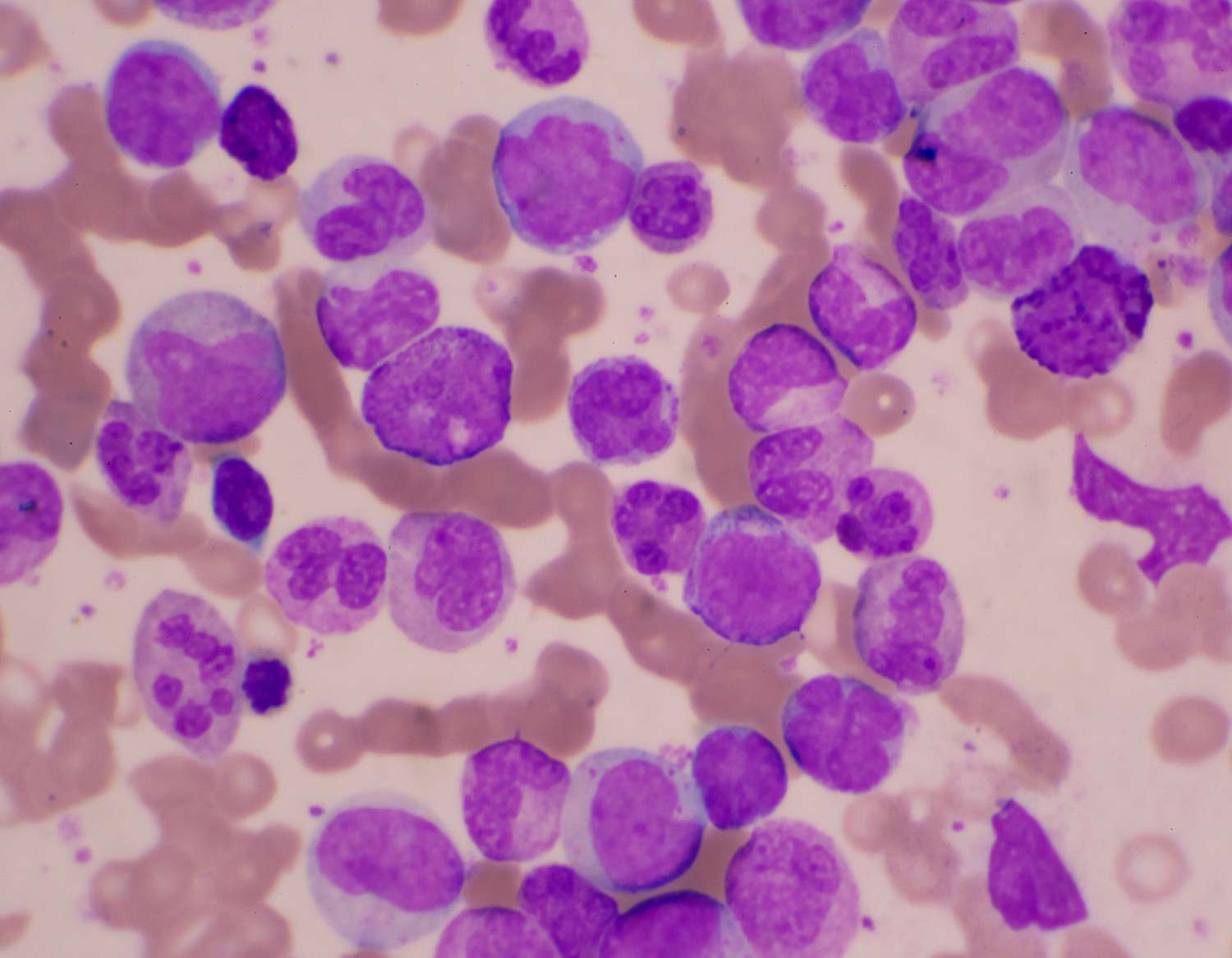
AML develops in the bone marrow cells that produce white and red blood cells, known as myeloid hematopoietic precursor cells. When these cells turn cancerous, they grow uncontrollably and release immature or defective blood cells into the body.
Most often, AML develops from cells that produce white blood cells, though it can also originate from cells that produce red blood cells or other cell types. The specific cells that become cancerous dictate the AML subtype.
Other names for AML include:
- Acute myelocytic leukemia
- Acute myelogenous leukemia
- Acute granulocytic leukemia
- Acute nonlymphocytic leukemia
The “A” in “AML” stands for acute, indicating that these cancerous cells grow quickly and spread rapidly to the blood, lymph nodes, liver, spleen, brain, spinal cord, and testicles.
Each year in the United States, doctors diagnose about 20,000 new AML cases. Approximately 11,000 people with AML die from the disease annually. AML commonly develops in individuals aged 65 to 74, with the average age at diagnosis being 69. Only around 4% of cases are diagnosed in people under 20, who typically have the best survival rates.
What Influences AML Survival Rate?
Unlike other cancers, AML is not staged because it doesn’t form solid tumors. Instead, it is often found throughout the bone marrow and blood at diagnosis and can sometimes spread to other organs. The survival rate and prognosis depend on the AML subtype, the patient’s age, general health, and test results.
Doctors categorize AML into three stages:
- Favorable
- Unfavorable
- Between favorable and unfavorable
To assess the AML status, doctors perform several blood tests, such as:
- White blood cell count, which helps identify the mutated progenitor cell and how mutations have altered the blood cells. A high white blood cell count at diagnosis is linked to poorer outcomes.
- Gene mutation tests, which examine the genes in blood cells to identify mutations.
- Cytogenic analysis of chromosomal abnormalities, which investigates changes in the genome at the chromosome level. Chromosomes are large DNA molecules that contain many genes. Each cell should have two copies of 23 chromosomes. Chromosomal parts can be deleted, duplicated, inverted, or swapped with other chromosome sections during cell replication.
- Tumor markers, which reveal changes in cancer cell characteristics that can influence treatment and prognosis.
Factors associated with a poorer outlook for AML include:
- A high white blood cell count at diagnosis
- A history of blood disorders
- Previous treatment for another cancer
- Presence of a blood infection at diagnosis
- Leukemia cells spreading to the brain or spinal cord
How Does Age Affect AML Survival Rate?
Younger AML patients generally have a better outlook. Those over 60 tend to have a lower survival rate and account for a higher percentage of AML-related deaths.
Older patients are also more likely to have chromosomal abnormalities in their cancer cells, which can worsen their prognosis.
| Percent of deaths per age group for AML. | |
|---|---|
| Age | Percent of Deaths |
| <20 | 1.3% |
| 20-34 | 2.1% |
| 35-44 | 2.3% |
| 45-54 | 4.7% |
| 55-64 | 13% |
| 65-74 | 28.7% |
| 75-84 | 33% |
| 84+ | 14.9% |
Older AML patients are more likely to have chromosomal abnormalities in their cancer cells that indicate a worse prognosis.
In some cases, intensive chemotherapy treatments required to treat AML aren’t an option for a patient’s overall age and general health. Chemotherapy can negatively impact a patient’s immune system, which has already been weakened by the AML and generally degrades as a person gets older.
At some point, older age means the patient isn’t likely to tolerate treatment, and the best option is palliative care (measures to improve quality of life but are not expected to cure) or a weaker chemo regimen that may prolong survival.
How Does AML Type Affect AML Survival Rate?
AML subtypes are defined by the various changes to the cells that become cancerous. Doctors use one of two different staging systems to categorize AML subtypes.
The French-American-British (FAB) staging scale defines nine subtypes of AML: M0, M1, M2, M3, M4, M4eos, M5, M6, M7. These stages have been determined based on what type of cell becomes cancerous and how mature (or immature) the cancer cells are. The tests needed to assess cancer’s FAB stage focus on how the cancer cells look under the microscope.
Many additional factors that impact a patient’s prognosis are included in the World Health Organization’s (WHO) classification stages. These molecular changes to cancer cells include gene mutations, chromosomal abnormalities, and tumor markers. There are seven subtypes of AML defined by the WHO classification system.
The WHO staging system takes into account several molecular changes as the basis of these groupings. Some specific changes are related to a better prognosis, while others are related to a worse prognosis.
Specific Gene Mutations
Mutations in these specific genes are linked to a better or worse prognosis:
- Mutations in the FLT3 gene have a generally poorer outlook, but new drugs are being developed with this target.
- TP53, RUNX1, and ASXL1 gene mutations are linked to worse outlook.
- NPM1 and CEBPA gene mutations are often associated with a better prognosis.
Chromosomal Abnormalities
The movement of large sections of genes on various chromosomes can impact prognosis. Chromosomal abnormalities that result in better outcomes and prognosis include:
- Movement of sections between chromosomes 8 and 21
- Movement of or flipping of sections of chromosome 16
- Movement of sections between chromosomes 15 and 17
Chromosome changes associated with worse outcomes, or unfavorable abnormalities, include:
- Deletions on chromosome 5 or 7
- Movement of or flipping of sections of chromosome 3
- Movement of sections between chromosomes 6 and 9
- Movement of sections between chromosomes 9 and 22
- Abnormalities in spot q23 of chromosome 11
- Loss of a copy of a chromosome (monosomy)
- Complex changes in three or more chromosomes
Doctors rate patients without cytogenic abnormalities as “between favorable and unfavorable.”
Tumor Markers
If doctors find proteins CD34 or p-glycoprotein on the outside of the cancer cells, these patients have a worse outlook.
How Does Response to Treatment Affect AML Survival Rate?
Another factor in your survival rate from AML is how well your disease responds to treatment. Treatments for AML include chemotherapy, which may be followed by a stem cell transplant or, in some cases, surgery or radiation.
The better your AML reacts to treatment, the better your outcome is likely to be, such as:
- The best result of treatment is if you have no signs or symptoms of disease (complete remission) and cancer cells can’t be found through molecular methods (complete molecular remission).
- If after treatment you show minimal residual disease (MRD), which means they can detect cancer cells using sensitive molecular testing methods, you may be at risk of remission and a worse outcome or you may be put on prolonged or additional treatment cycles.
- The worst outcomes would be an active disease state after treatment, or if you return to an active disease state after remission.
Coping and Support
There are places to turn when it comes to coping with a disease with a low survival rate:
- Ask your care team for resources and support.
- Tell your family how you’re feeling.
- Join support groups for AML patients.
- Find ways to relieve stress or take your mind off of your prognosis.
- Make lists of questions for your doctors in advance. Bring someone with you to appointments to help you get clear answers and understand what the medical team is telling you. Take notes or record the appointments if reviewing the information later might help.
- Look for online resources.
:max_bytes(150000):strip_icc()/JenniferWelshHeadshotSquaresmall-ceb0be83b8b1421aa2a2c02f4f07ee34.jpg)