

Key Takeaways
- Talk to your child’s school counselor or pediatrician if you think they have anger issues.
- Therapy, like cognitive behavioral therapy, can help manage a child’s anger.
- Be consistent with rules and praise good behaviors to help manage your child’s anger.
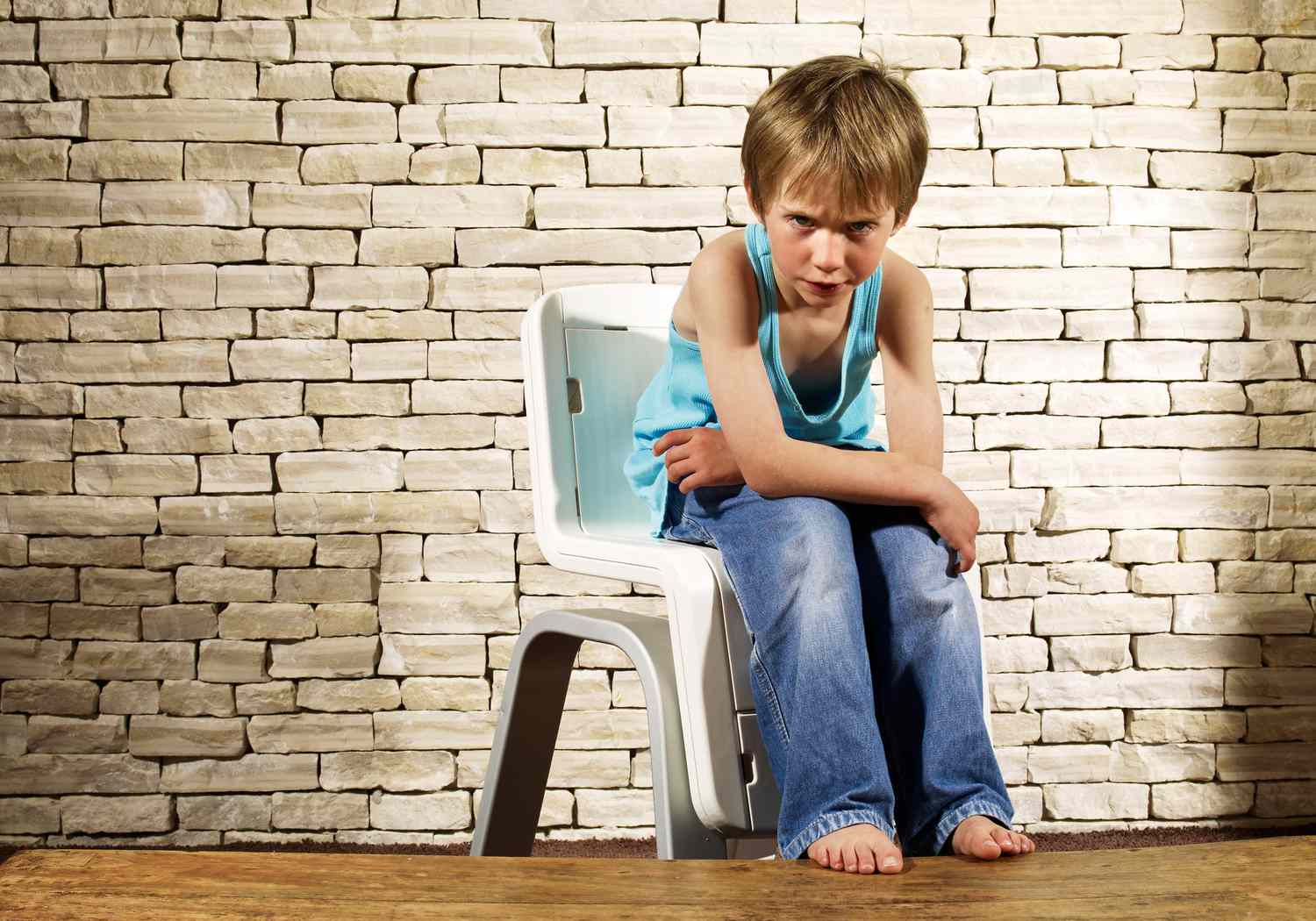
It’s entirely normal for kids to throw tantrums, especially before age 6. However, frequent tantrums, which last more than 10 minutes or involve violence, can signify anger issues in kids. Anger can be linked to many experiences and conditions, from trauma to obsessive-compulsive disorder (OCD). Certain types of psychotherapy for kids along with parent management techniques for adults can help the entire family develop more effective coping methods.
Continue reading to learn more about anger management in kids, its causes, and other conditions that can contribute to anger issues.
Sven Jacobsen / Getty Images
Causes of Anger Issues in Kids
If your child’s anger affects family life, friendships, or school performance, it may be a concern. Here are common disorders linked to anger issues in children:
- Oppositional defiant disorder: Children with this disorder have an angry/irritable mood and may intentionally irritate or annoy others, refuse to follow the rules laid out by parents or schoolteachers, and blame others for their trouble.
- Conduct disorder: Kids with conduct disorder may threaten or hurt people, animals, and personal property. They also may run away or break the rules, including the law.
- Intermittent explosive disorder: Two or more behavioral outbursts per week for three months or longer may be a sign of intermittent explosive disorder in children.
- Disruptive mood dysregulation disorder (DMDD): DMDD is characterized by recurrent temper outbursts and a constant irritable and angry mood.
Anger issues in children can have many different root causes. Usually, frustration and distress are at the core of anger issues in kids. That distress can be caused by medical or mental health issues, including:
Symptoms of Anger Issues in Kids
Tantrums are a normal part of development, but extreme ones may indicate an underlying mental health issue. Most children outgrow tantrums by ages 4 to 6. Persistent tantrums beyond this age may signal anger issues.
In children younger than 6, prolonged tantrums lasting longer than 10 minutes can be a sign of anger issues. Children who routinely hurt themselves or others or destroy property should have a professional mental health evaluation.
Diagnosis
If you suspect your child has anger issues, you should contact their pediatrician. If you have a school-age child, you should also talk to their teachers or school counselor. A pediatrician can all refer your child for a psychological evaluation. This might sound scary, but it will help you understand what’s going on with your child and get them the help they need.
A trained child psychiatrist or child psychologist will examine your child. They’ll interact with your child directly and gather information from other parents, counselors, teachers, and law enforcement.
The psychological evaluation could reveal other diagnoses, like ADHD or autism spectrum disorder, that explain your child’s outbursts. The more information you have, the better equipped you are to help your child.
Managing Anger Issues in Kids
After identifying what’s causing your child’s anger, you can manage it by treating the underlying issues. This might involve medication, particularly for conditions like OCD or ADHD.
Cognitive behavioral therapy (CBT) is often helpful for kids with anger issues, no matter what other diagnosis they have. CBT helps them understand their patterns and regulate their emotions—all in a very child-friendly manner.
Regardless of the root cause, behavioral changes for both the child and parents can help. Parent management techniques (PMT) teach parents how to handle their child’s behavior more productively. It’s focused on positive reinforcement rather than punishment. In addition to PMT, working with a family therapist to develop new communication and conflict resolution techniques can benefit the whole family.
Quick Tips
Addressing anger issues in kids often isn’t a quick fix. However, there are some simple steps you can keep in mind that might help minimize outbursts:
- Be consistent: This includes consistency with your expectations and routines.
- Don’t give in: Keep consistent with consequences so that a child learns that an outburst will not result in the child getting their own way.
- Avoid triggers: If you know that getting ready for bed or turning off the television triggers your child, prepare with ample warnings and a consistent routine.
- Stay calm: No matter how angry your child is, provide a calming presence. Don’t try to interact with them while they’re having a tantrum. Instead, wait until things have calmed down to talk.
- Praise good behaviors: Make a big deal out of good behaviors, like going to bed without an outburst. On the other hand, ignore undesirable behaviors.
:max_bytes(150000):strip_icc()/BurchHeadshotOutdoor-215a575f7ef34c52a908676f88bd9acb.jpg)