

Key Takeaways
- Antihistamines are medicines that block histamine to treat allergy symptoms like sneezing and itchy eyes.
- Newer antihistamines like Allegra and Claritin cause less drowsiness compared to older ones like Benadryl.
- Talk with a healthcare provider about over-the-counter and prescription antihistamine options.
Antihistamines are a class of drugs primarily used to relieve allergies. They do so by blocking a chemical known as histamine that is released by the immune system whenever the body is confronted by an allergy-causing substance (allergen).
By preventing histamine from attaching to cellular receptors in the skin and mucus membranes of the eyes, nose, and respiratory tract, symptoms of allergy—such as sneezing, itchy eyes, postnasal drip, and, hives—can be temporarily relieved.
Antihistamines may also be useful in treating motion sickness, nausea, sinusitis, and eczema.
This article explains the different uses of antihistamine drugs and lists some of the more common over-the-counter (OTC) and prescription formulations.
Mario Tama Collection / Getty Images
Common Uses of Antihistamines
Antihistamines are used to treat various allergic conditions and come in oral, nasal, eyedrop, and injection forms. They are commonly used for allergic rhinitis, allergic conjunctivitis, and hives.
Allergic Rhinitis (Hay Fever)
Allergic rhinitis, also known as hay fever, is an allergic response that causes sneezing, runny nose, and itchy, watery eyes. It can occur seasonally or year-round, due primarily to tree or grass pollens. Oral antihistamines can generally improve hay fever symptoms within an hour or two.
Newer oral antihistamines, such as Xyzal (levocetirizine), Zyrtec (cetirizine), Allegra (fexofenadine), and Clarinex (desloratadine), are very effective for the treatment of hay fever.
Older antihistamines, like Benadryl (diphenhydramine), chlorpheniramine, and Vistaril (hydroxyzine) work well but can be sedating and cause other side effects.
There are also nasal sprays like Astepro Allergy (azelastine) and olopatadine that are used to treat allergic rhinitis (nasal allergy).
Allergic Conjunctivitis
Many of the same allergens that cause hay fever can also cause allergic conjunctivitis. an allergic reaction involving the covering of the eye (known as the conjunctiva). These include airborne allergens (like pollen, dust, perfume, and pet dander) but also substances placed in or around the eye (like makeup and contact lens solution).
Oral antihistamines can help treat symptoms of eye allergies. There are also antihistamine eye drops such as azelastine, Visine-A (pheniramine), and Alaway (ketotifen).
Urticaria (Hives)
Urticaria, also known as hives, is a raised, itchy rash often triggered by reactions to food, medicine, or other irritants. Sometimes, the cause of an outbreak is unknown.
Oral antihistamines are the main treatment for hives. Newer “non-drowsy” antihistamines, such as Zyrtec or Claritin, are preferred over the older antihistamines like Benadryl or Vistaril. With that said, if the itchiness of hives is keeping you up at night talk to your provider about which treatment is best for you. Older-generation antihistamines may help you sleep more soundly.
Topical antihistamines, present in many over-the-counter anti-itch creams, should not be used with oral antihistamines. Certain ones, such as Benadryl cream, have been known to trigger contact dermatitis when taken with its oral version.
Other Uses
Antihistamines are used for the treatment of other allergic conditions. Some of the approved uses of antihistamines include:
OTC and Prescription Antihistamines
There are both OTC and prescription antihistamines used for the treatment of allergies. The choice varies by the type and severity of allergy you have, as well as whether the condition is acute (rapidly developing) or chronic (persistent or recurrent).
Not all antihistamines work equally well for all allergic conditions.
If buying an OTC antihistamine, speak with your healthcare provider or pharmacist to determine whether it is the best option for you as well as the potential risks.
-
Alaway (ketotifen)
-
Allegra (fexofenadine)
-
Benadryl (diphenhydramine)
-
Brompheniramine
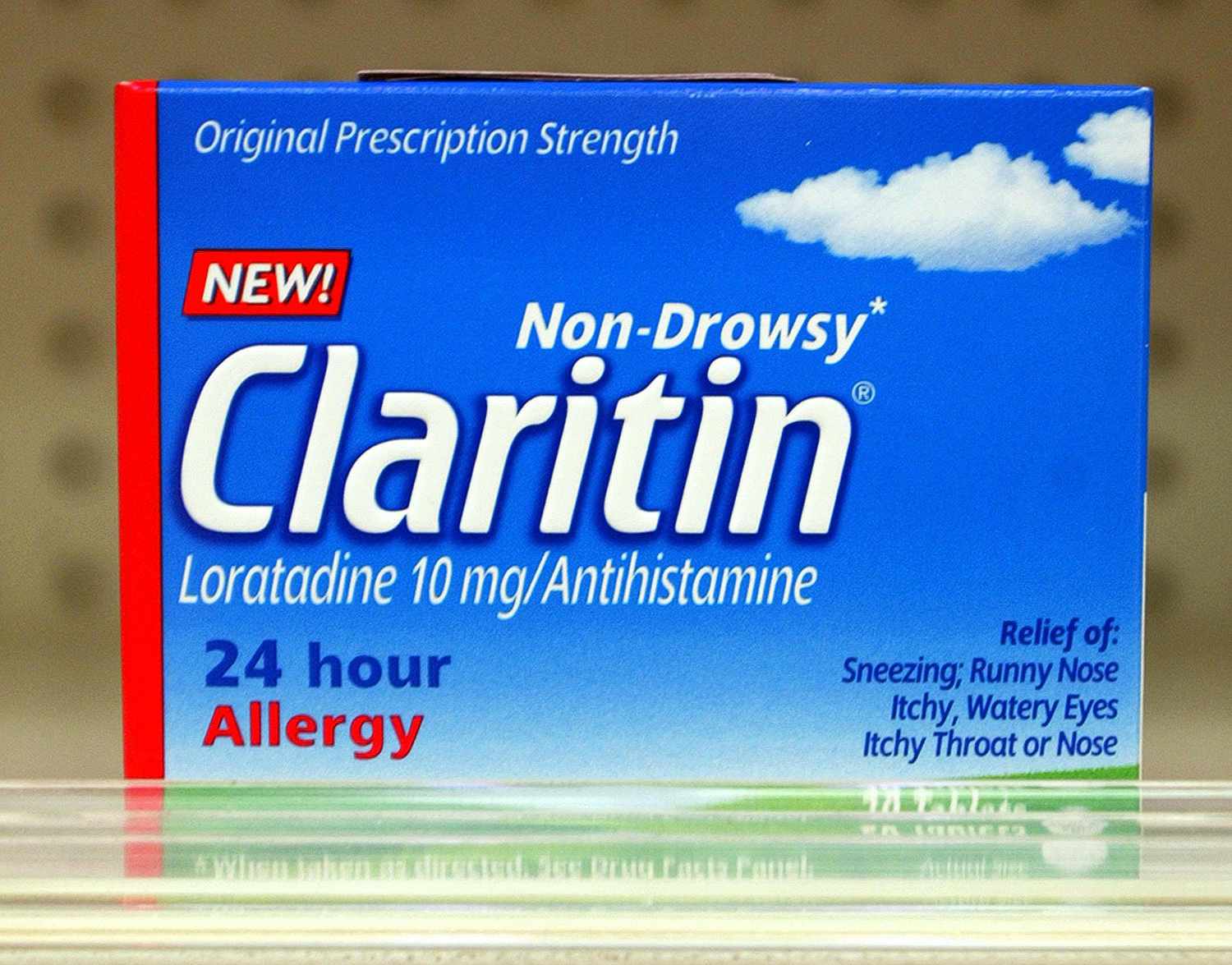
Claritin (loratadine)
-
Chlorpheniramine
-
Clemastine
-
Visine-A (pheniramine eyedrops)
-
Xyzal Allergy 24HR (levocetirizine)
-
Zyrtec (cetirizine)
-
Astepro Allergy (azelastine nasal spray)
Common Side Effects
Second-generation antihistamines (like Allegra, Claritin, clemastine, Xyzal, and Zyrtec) tend to have far fewer side effects than older-generation versions. Common side effects include:
- Headache
- Stomach pain
- Fatigue
- Nervousness
- Diarrhea
First-generation antihistamines (such as Benadryl, chlorpheniramine, and Vistaril) also have these side effects but can cause additional ones as well, including:
- Drowsiness
- Constipation
- Difficulty urinating
- Dry mouth
Because first-generation drugs are more sedating, they are generally avoided for daytime use. They can also diminish your ability to operate motor vehicles or heavy machinery.
Of the second-generation antihistamines, Allegra is the only one that is truly considered to be non-sedating.
Certain antihistamines may also cause weight gain. According to the American Academy of Asthma, Allergy & Immunology, both older drugs like Periactan and newer ones like Allegra and Zyrtec are linked to an increased risk of obesity.
It is thought that the suppression of histamine, which is known to reduce appetite, can increase appetite in people on chronic antihistamine treatment.
:max_bytes(150000):strip_icc()/DanielMoreMD-c1a5474a09454b938faec1969be46535.png)