

Key Takeaways
- Arthrofibrosis is a condition where excess scar tissue builds up in a joint after surgery or injury, causing pain and stiffness.
- Treatment often starts with rest, ice, and gentle exercises. Medication and surgery may be needed if symptoms persist.
- Early movement after knee surgery can help prevent arthrofibrosis by avoiding the extensive buildup of scar tissue.
Arthrofibrosis is a condition in which you have a buildup of scar tissue around a joint, usually after a traumatic injury or surgical procedure. It’s especially common in the knee. Arthrofibrosis can be debilitating, limiting your range of motion and causing substantial pain.
Conservative treatments like rest, pain medication, and exercises are usually tried first. If they don’t help, surgery may be needed to remove the excess scar tissue.
Jan-Otto / Getty Images
Arthrofibrosis Symptoms
The main symptoms of arthrofibrosis include:
You might also experience:
- Difficulty straightening your leg, leading to a limp
- An inability to bend your leg
- Swelling or warmth in the joint
- A grating sound or sensation when you move the joint (called crepitus)
Symptoms can be more debilitating than the initial injury or reason for surgery, making activities like walking, driving, or getting out of a chair challenging.
Click Play to Learn How to Break Up Scar Tissue in Your Knee
Causes
Arthrofibrosis is a common complication of procedures such as anterior cruciate ligament (ACL) reconstruction surgery and total knee arthroplasty (TKA). The condition is caused by inflammation and the creation of excess scar tissue.
Normally, your body produces scar tissue to heal trauma from injuries or surgeries. However, some people generate too much, especially if infections or other complications arise.
A 2019 study suggests this might occur due to a disrupted healing process—your body continues creating scar tissue even after the trauma is resolved. This excess scar tissue is dense and fibrous, restricting joint movement. It can also lead to the shortening and hardening of muscles and connective tissues, known as contractures.
Diagnosis
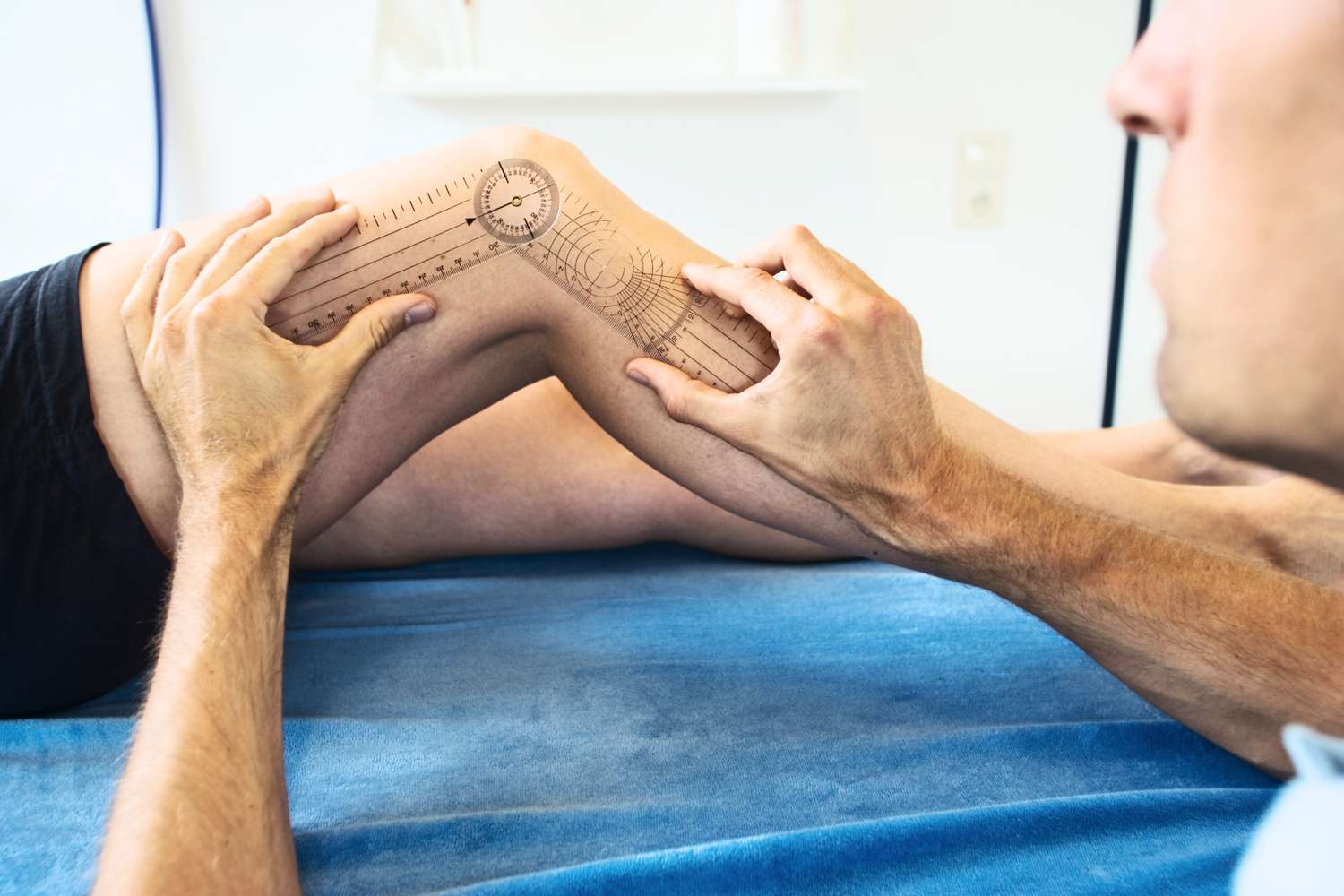
When you visit a healthcare provider with arthrofibrosis symptoms, they will typically conduct a physical exam and ask about your injury or surgical history. They will assess your knee’s flexibility.
To confirm the diagnosis, you may undergo an MRI and X-rays. Arthrofibrosis is diagnosed when limited joint motion persists despite conservative treatments.
Some researchers question this criterion, noting that some cases with minimal range of motion loss are still notably painful and disabling.
Treatment
Initial treatment for arthrofibrosis includes rest, ice, and anti-inflammatory medications to alleviate pain and swelling. Typically, you’ll be encouraged to perform gentle range-of-motion exercises to enhance flexibility and may be referred to physical therapy.
If these methods don’t help, there are two common procedures:
- Manipulation under anesthesia
- Surgical removal of scar tissue
Both are done under anesthesia in an operating room, and sometimes they’re combined. In the non-surgical option, you undergo general anesthesia while the provider forcefully bends your leg to break up the scar tissue.
The surgical option, in which the healthcare provider goes in and removes the scar tissue, is more common. It’s typically performed arthroscopically (with small incisions). Following surgery, it is important to have physical therapy to regain strength and motion as well as to prevent further formation of scar tissue.
Prevention
Preventing arthrofibrosis after surgery is best accomplished with early range of motion rehabilitation. Arthrofibrosis used to be much more common after ACL surgery when healthcare providers used to restrict patients’ mobility to allow the ligament to heal.
Now, due to advances in surgical techniques and rehabilitation, most surgeons are instructing their patients to move the joint within hours or days of surgery, and that’s lowered the likelihood of arthrofibrosis.
A 2019 study cautions against “aggressive” physical therapy, though, because exercise can trigger inflammation and in some cases worsen the problem.
:max_bytes(150000):strip_icc()/Jonathan-Cluett_1000-2407608be738446cb867da6adba1642c.jpg)