

:max_bytes(150000):strip_icc():format(jpeg)/ayurvedic-treatment-for-ulcerative-colitis-5207844_color_v2-d87c11d150f94426bf8571cb81fc8540.jpg)
Key Takeaways
- Ayurveda is an ancient Indian healing system that focuses on balancing body, mind, and spirit to maintain good health.
- Ayurvedic treatment for ulcerative colitis includes dietary changes, yoga, and meditation to help manage symptoms.
- Talk to your healthcare provider before trying Ayurveda for ulcerative colitis to ensure it doesn’t interfere with current treatments.
Ayurveda is a holistic approach to medicine that originated in India more than 3,000 years ago. In Sanskrit, Ayurveda means “knowledge of life.” The concept behind the practice is that disease comes from an imbalance in a person’s consciousness.
Ulcerative colitis (UC) is a chronic disease of the large intestine in which the colon’s lining becomes inflamed and develops small ulcerations. There is no known cure for ulcerative colitis, but there are a number of treatments available that include medications, surgery, and diet and nutrition changes.
Complementary and alternative medicine (CAM) approaches like Ayurvedic medicine include herbal and plant remedies, oils, and spices, as well as acupuncture and meditation, which may help ease ulcerative colitis symptoms during flare-ups (times when symptoms worsen).
Verywell / Nez Riaz
What Is Ayurveda?
Ayurveda is an ancient healing system from India. It focuses on balancing the body, mind, and spirit to maintain good health.
The basic principle of Ayurveda is that the body is composed of five elements: air, water, fire, and earth, and space. Together, these elements form life forces called doshas—vata (space and air), kapha (earth and water), and pitta (fire and water). Every person has these doshas, but one is more prevalent in each individual.
Ayurvedic practitioners believe that the balance of each of these doshas accounts for individual characteristics, but also the possibility of a medical condition. An imbalanced dosha can cause stagnation of prana and further imbalances.
Doshas and Ulcerative Colitis
In Ayurveda, an imbalanced dosha can disrupt the life force (prana), leading to digestive problems and waste accumulation. Ulcerative colitis is believed to arise from an imbalance between pitta and vata doshas, where vata is increased by pungent and bitter tastes.
Practitioners suggest avoiding spicy foods. In one clinical study, 43 patients with ulcerative colitis were treated for one month with the medicinal plant Udumbara kvatha basti (Ficus glomerata or cluster fig), along with other Ayurvedic medications derived from plants that have antibacterial and antidiarrheal effects.
Researchers found that symptoms as well as the use of steroids and other anti-inflammatory drugs were reduced by more than 80%. Red blood cells in the stool—a primary sign of ulcerative colitis—was reduced by 93.02%. Hemoglobin in the blood increased by 16.76%. Steroid use was decreased by 87.32%.
Benefits of Natural Treatments
Ulcerative colitis cannot be cured, but healthcare providers may prescribe treatments to help relieve symptoms based on the severity of the condition. Recommended medications include:
- Aminosalicylates: For mild to moderate ulcerative colitis. This form of medication contains 5-aminosalicylic acid (5-ASA) to help reduce inflammation in the intestine’s lining. Some other forms may also reduce joint inflammation. Side effects may include headaches, nausea, abdominal pain, cramping, loss of appetite, vomiting, rash, or fever.
- Corticosteroids: For severe forms of ulcerative colitis. Corticosteroids are anti-inflammatory drugs. Side effects include increased appetite, acne, thin skin that easily bruises, increased risk of infections, depression and/or mood swings, high blood pressure, diabetes, osteoporosis. Healthcare providers recommend short-term use only.
- Immunomodulators: These medications aim to control inflammation to lead to remission and then to maintain remission. Side effects may include headache, nausea, vomiting, and diarrhea.
- Biologics: This type of medication is derived from living organisms or has elements of living organisms. Biologics are prescribed to treat moderate to severe ulcerative colitis by targeting parts of the immune system. Side effects vary by drug.
- Janus kinase (JAK) inhibitors: Medications in this category inhibit enzymes in the Janus kinase family to prevent them from triggering inflammation. Side effects may include nasal and upper respiratory infections, nausea, indigestion, diarrhea, headaches, increased cholesterol levels, high blood pressure, and decreased kidney function.
While many patients find relief through Western medicine, some also explore holistic approaches that may ease symptoms.
Alternative treatments may include meditation and yoga that help manage stress, herbal remedies, and certain spice blends in foods. Keep in mind that certain spices like turmeric may ease inflammation but also may cause stomach discomfort, skin rashes, and in some cases, slow blood clotting.
Talk to Your Healthcare Provider
If you decide to see an Ayurvedic practitioner who recommends herbal supplements, always discuss this with your provider to find out whether any contraindications exist between Ayurvedic treatments and any of your medications.
Ayurveda for Ulcerative Colitis
If you determine that Ayurvedic medicine complements your Western (allopathic) treatment for ulcerative colitis, below are therapies that you may want to incorporate to manage your condition:
Diet
Before you make any dramatic changes in your diet, consult with your healthcare provider or dietitian to see if some foods may cause distress. An Ayurvedic diet promotes balance and has specific guidelines for each dosha.
When the pitta dosha is out of balance, colon function is impaired. Eggs are one food that is known to support balancing the pitta dosha. If you’re not lactose intolerant, you may have milk, ghee, soy milk, and butter. Ripe fruit is allowed, like apples, pears, pineapples, melons, and mangos.
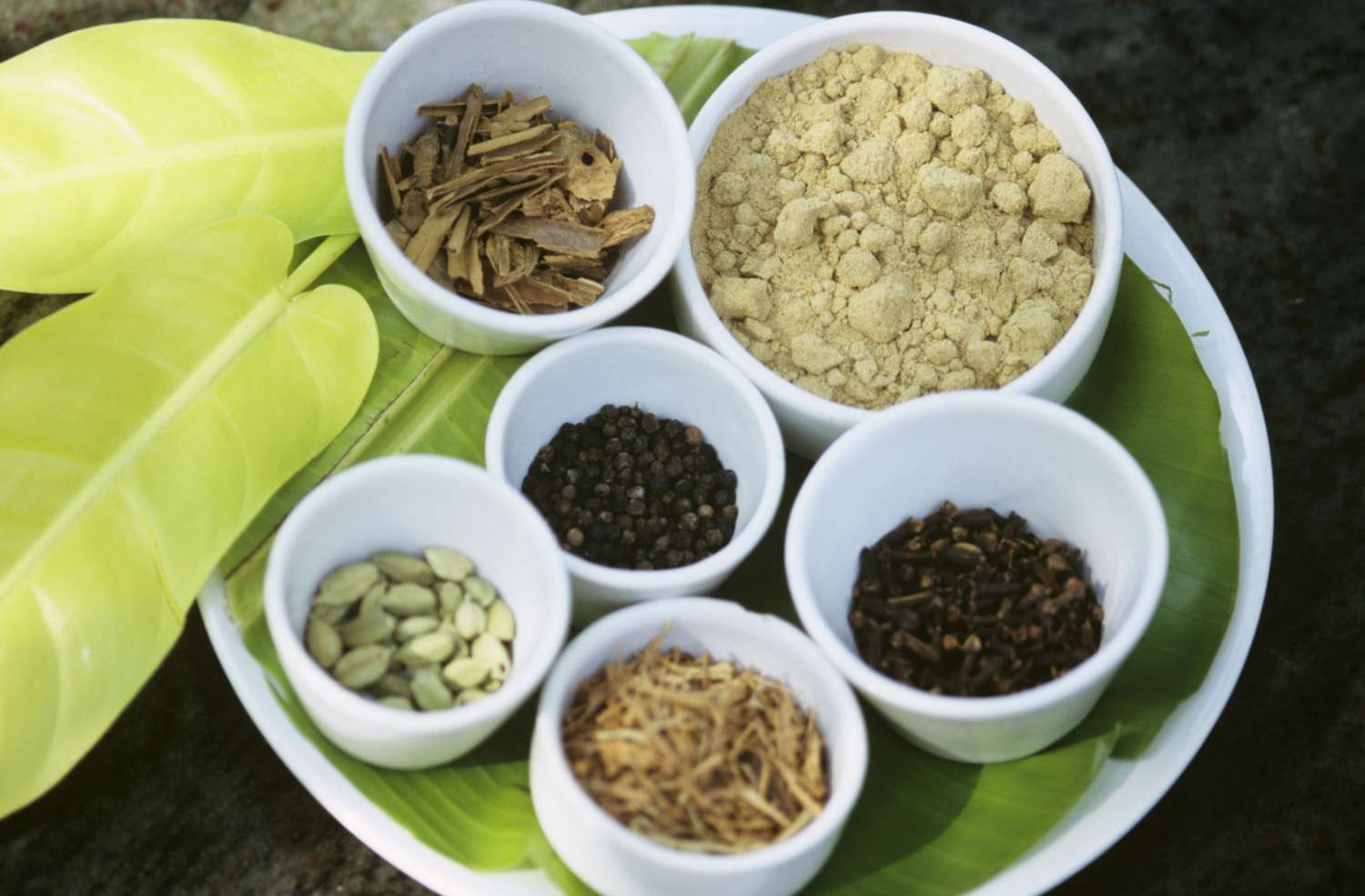
Vegetables should be the sweet and bitter kinds like asparagus, broccoli, cabbage, and zucchini. Avoid most spices except for cilantro, cinnamon, turmeric, cardamom, fennel, and black pepper. All legumes are acceptable.
Acupuncture
In Ayurvedic practice, acupuncture is used at specific points on the body for the relief of symptoms. In the United States, an Ayurvedic practitioner who performs acupuncture must be licensed as a traditional Chinese medicine practitioner in most states.
Studies of Ayurvedic acupuncture are scarce. According to the Crohn’s & Colitis Foundation, research continues to evaluate the benefits of acupuncture beyond managing pain. But while some studies have shown that acupuncture may improve symptoms, results vary.
Massage
In Ayurveda, practitioners focus on clearing channels by moving and dislodging toxins in the body. Practitioners use essential oil blends infused with herbs that are heated to promote relaxation and detoxification. Currently, the benefits of massage for ulcerative colitis are not conclusive.
Meditation
Studies show that stress can aggravate symptoms in ulcerative colitis. In one review of eight studies, researchers found that meditation and mindfulness improved the quality of life for patients who suffered from the stress of inflammatory bowel disease (IBD) like ulcerative colitis. However, more studies are required.
Yoga
Many of the symptoms of ulcerative colitis can be aggravated by stress and anxiety, but yoga is recognized to reduce stress and anxiety levels.
In one study with 60 patients with ulcerative colitis and 40 patients with Crohn’s disease (another type of inflammatory bowel disease) were divided into two groups for eight weeks. The first group practiced yoga for an hour daily and continued with their medical therapy; the second continued only with their standard medical therapy.
After the eight weeks, fewer patients in the first group experienced joint stiffness than those using just traditional medicine, and anxiety levels were reduced in the first group in comparison to the second group, which had no significant changes. Researchers concluded that a yoga practice is safe and beneficial for patients with ulcerative colitis and other types of IBD.
Yoga can also help with balancing your doshas. If your prevalent dosha is vata, you will benefit from a grounding, calm, and contemplative yoga practice on a certain day and time of the week. Poses that work are centered on the colon, intestines, pelvis, lumbar spine, and sacroiliac balance vata by bringing energy back down into the base of the torso.
To balance pitta, which is associated with digestion and the enzymatic and endocrine systems, as well as heat, pitta types benefit from cooling poses. Suggested asanas to help reduce pitta include those that work the abdomen, standing forward bends, and heart-opening poses.
Choosing an Ayurvedic Practitioner
Before you decide to make any changes in your diet and embrace Ayurvedic medicine to complement your traditional medical protocol, find an Ayurvedic practitioner with experience treating people with ulcerative colitis. Diet recommendations found online vary and can be confusing.