

:max_bytes(150000):strip_icc():format(jpeg)/We-Asked-Chefs-the-Best-Way-to-Cook-Winter-Squash-They-All-Said-the-Same-Thing-fd6a10ab2a9440cbb93ea8229159d477.jpg)
- Chefs say roasting is the easiest way to get tender, tasty squash at home.
- The high-heat method brings out rich, sweet, nutty flavor.
- Roasted squash pairs well with herbs, cheeses, grains or rich spice blends.
Few cold-weather vegetables are as iconic and versatile as winter squash. Stuff acorn squash with mushrooms and wild rice for a hearty dinner, puree butternut squash into a silky smooth soup or dip strips of squash in panko breadcrumbs and bake them for crispy yet tender squash fries. There are so many great ways to cook winter squash, and each method can drastically affect the flavor and texture. Steaming or boiling produces ultrasoft and creamy flesh, while sautéing and roasting concentrate the flavor and enhance the natural sweetness.
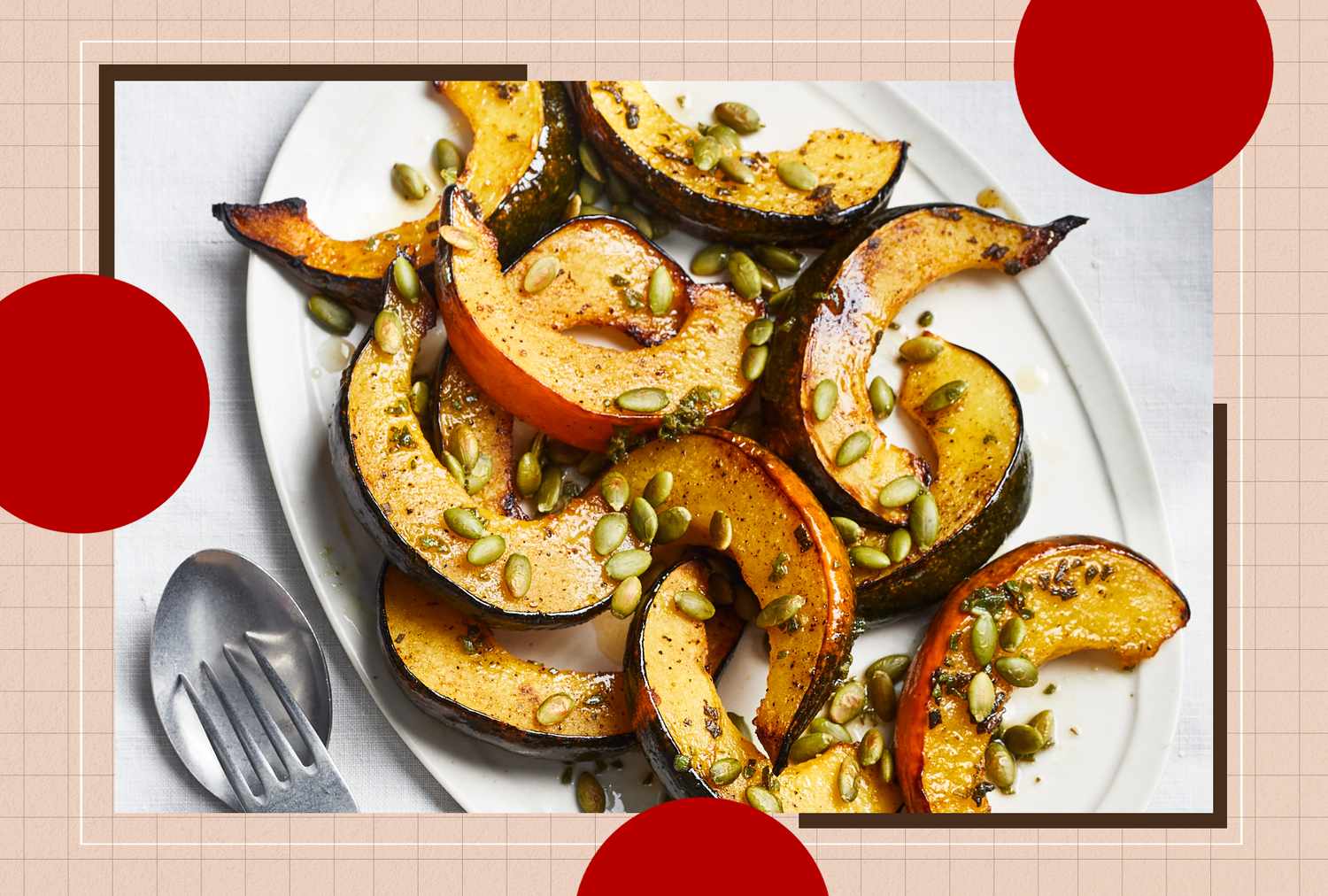
With so many great options, we sought input from chefs on their absolute favorite way to cook winter squash. The common thread in their favorite method involves high heat to develop nutty flavors and concentrate the squash’s natural sweetness. And you don’t need a restaurant kitchen to replicate their favorite method; all you need is a hot oven because the chefs all agreed that roasting is the best way to cook winter squash.
Chefs’ Preferred Method for Cooking Winter Squash
I spoke with six chefs from across the country about their favorite way to prepare winter squash. While they all offered mouthwateringly delicious examples of how squash is used in their restaurants, they agreed that home cooks can easily enhance the flavor and texture by simply roasting winter squash.
“Roasting is where winter squash truly becomes itself,” says Steve Chiappetti, executive chef at the Albert in Chicago. Chiappetti, who was nominated for the James Beard Foundation’s Rising Star Chef Award, operates several Chicago restaurants and features winter squash on menus throughout the season. “The sugars concentrate, the edges crisp and the inside gets that delicious custardy effect, not to mention deep caramel notes that start to make the whole kitchen smell like winter.”
“I love to roast them. It really brings out the flavor and any home cook can easily do it,” says Cameron Dempsey, chef de cuisine at Chez Maggy, the signature French brasserie in Denver.
A six-time finalist for the James Beard Foundation’s Best Chef Mid Atlantic and winner of Food Network’s Chopped, Rich Landau, chef and co-owner of Vedge in Philadelphia, is an expert in working with vegetables. “I’m a huge fan of keeping winter squashes whole, roasting them until they’re deliciously tender and serving them as a centerpiece on the table. As a vegetarian, we miss that centerpiece, and winter squashes make a great statement on the table this time of year.”
Similarly, Evan Hennessey, chef and owner of Stages at One Washington and The Living Room in Dover, New Hampshire; Chopped winner; and James Beard Semifinalist for Best Chef Northeast, likes to roast whole squash. He advises, “Keep the skin on and either wrap in tin foil or just as is and roast at 400F until a knife moves through the center without restriction. Remove from the oven, allow it to cool a little, then cut to whatever size or shape you want to serve. Add your favorite sauce and some fresh herbs and serve.”
Patrick Scully, national director of food, beverage and culinary experience at Esplanade by Taylor Morrison, likes to make soup with roasted squash. “Roasted butternut squash soup with sage and brown butter is perfect for December gatherings,” Scully says. “Its smooth, creamy texture and subtle nutty flavor from brown butter make it a cozy, elegant starter. Plus, it’s vegetarian-friendly and easy to make ahead for lunch or dinner.”
Nikki Smith, chef de cuisine at Fielding’s in Bozeman, Montana, has squash on the menu throughout the season, including a delicata doughnut. She also uses kabocha with a Caribbean inspired coconut stock. When roasting, she likes winter squash with thin skins, like sweet dumpling squash. “It tastes like acorn squash but a bit sweeter,” Smith says. “Roasting it brings out a lot of its inherent sweetness, which makes it perfect to stand up to rich spices in curries or tangy shashukas.”
How to Roast Winter Squash
In addition to roasting whole, you can also chop squash and then roast it. Chiappetti recommends halving squash, scooping out the seeds, then cutting the halves into thick wedges. Keep the skin on, then toss with olive oil or butter, salt, pepper, herbs or spices. Then roast cut side down until browned on the tips and the flesh is tender. He recommends serving it with ricotta or goat cheese, or farro and toasted seeds. “Or keep it simple with just a hit of flaky salt,” he says. “This squash can stand on its own.”
“Winter squashes overall are vessels for flavor,” says Dempsey. “Lean on the sweetness and balance with spice and acid.”
“At Vedge, we have a dish on the menu now, which are roasted delicata squash rings,” Landau says. “They are stuffed with a mix of potato, pumpkin and confit cabbage and served over a stew of yellow oyster mushrooms braised in tomato broth with thyme, bay leaf, garlic, white wine and olive oil.”
Hennessey says you can cut squash, especially butternut, in half lengthwise and use a knife to score a crosshatch pattern on the flesh. Mix together a little fat and sugar (he likes butter with maple syrup and molasses), then brush the mixture lightly over the squash and season with salt and pepper. Let it sit for about 30 minutes, then brush again before roasting, basting with more of the mixture every 10 minutes. “Once done, remove, sprinkle a little coarse sea salt over the top and some fresh herbs. In this case I like mint and basil.”
“Rounder squashes like acorn, kabocha and red kuri can be hollowed out,” Landau says. “Just cut the top off and gut it, and you can stuff it with a mushroom stew or grains. Just rub the whole squash with neutral oil and salt it and bake it until tender.” He’s also partial to seasoning squash with “Caribbean spices, holiday spices, Cajun spices; whatever suits the theme of your meal. Or you can’t go wrong with just good old black pepper and fresh rosemary. Always finish with a drizzle of olive oil for shine.”
The Bottom Line
When it comes to winter produce, winter squash may just be the most versatile and delicious. It’s great mashed into a puree or even sautéed into a hash. But the chefs I spoke with all said the best way to cook winter squash is roasting. The high, dry heat helps concentrate the flavor and can create lightly browned, almost caramelized edges that develop a pleasant toasty flavor. Experiment with peeling and chopping the squash first, or try what some of the chefs recommended and roast the squash whole.