

:max_bytes(150000):strip_icc():format(jpeg)/what-you-need-to-know-about-eucommia-88939-inline-a8fb35f9e73f47cc907e6be632197c61.jpg)
Key Takeaways
- Eucommia may help lower blood pressure, but more research is needed to confirm its health benefits.
- Eucommia may cause headaches, dizziness, and other mild side effects.
- There is no standard dose for eucommia, and you should ask your healthcare provider before taking it.
Eucommia, known as du zhong in traditional Chinese medicine, is commonly explored for its potential to lower high blood pressure, though current evidence is insufficient for a firm recommendation. While it contains beneficial compounds like lignins and flavonoids, it’s essential to consult with a healthcare provider before using it as a supplement.
Supplement Facts
- Active ingredient(s): Eucommia ulmoides
- Alternate name(s): Du Zhong
- Suggested dose: No standard dose
- Safety considerations: No reports of toxicity; mild side effects reported. Always talk to your healthcare provider about your supplements.
How Eucommia Might Benefit Your Health
Eucommia is an herb from the Chinese rubber tree (Eucommia ulmoides). In traditional Chinese medicine (TCM), it has been historically used to support kidney health, bones, muscles, and the endocrine system. It’s also believed to help lower blood pressure, prevent osteoporosis, and improve heart health.
Eucommia contains chemical compounds such as lignins, phenolics, and flavonoids, which are believed to offer health benefits. However, more research is needed to confirm these benefits.
One clinical trial examined eucommia’s effect on high blood pressure. Most research, however, is limited to animal testing and small clinical trials.
Due to limited research, there are no current recommendations for using eucommia. Research on using eucommia for high blood pressure is included here as it was the only clinical trial found on eucommia in humans.
High Blood Pressure
A small study suggested that eucommia may help lower high blood pressure (hypertension).
In the study, 30 healthy adults took 1 gram of eucommia three times daily for two weeks. By the end, the herb lowered blood pressure by an average of 7.5/3.9 millimeters of mercury (mmHg) compared to the control group.
Another study involved 24 healthy adults who were randomized to take 500 milligrams of eucommia extract three times daily for eight weeks. It found no toxicity or blood pressure difference between the group taking eucommia and the control group.
More human research is needed to validate these findings.
A meta-analysis of TCM for high blood pressure found that adding eucommia to traditional medicine was safe, effective, and superior to traditional medicine alone.
Possible Side Effects to Keep in Mind
Eucommia has been used in TCM for centuries, with limited reports of side effects. One therapeutic trial documented a few side effects, including:
- Moderately severe headache
- Dizziness
- Edema
- Onset of a cold
The National Institutes of Health (NIH) warns that herbal products, in general, may be contaminated with toxic compounds, heavy metals, pesticides, or microorganisms. Manufacturing errors have also occurred when one herb is mistakenly replaced with another. Therefore, it is important to be diligent when selecting products.
Illustration by Anastasia Tretiak for Verywell Health
What Precautions Should You Take?
There are no data on the safety and efficacy of eucommia use during pregnancy or breastfeeding, so it is best to avoid supplementing.
Avoid eucommia if you are sensitive to any of its components.
Talk to your healthcare provider before taking a supplement to ensure the right fit for your needs.
Finding the Right Dosage
Always speak with a healthcare provider before taking a supplement to ensure that the supplement and dosage are appropriate for your needs.
There is no standard recommended dose of eucommia. In research studies, doses of up to 3 grams of eucommia daily were safe and well tolerated for up to two weeks. However, always follow the directions on the supplement label and your healthcare provider’s recommendation.
What Happens if I Take Too Much Eucommia?
There is not much information available about the side effects of eucommia or the potential effects of taking too much. As a general rule of thumb, never take more than what is stated in the directions on the supplement label. Consult your healthcare provider if you’re unsure how much you should take.
Potential Medication Interaction Warnings
Little is known about the safety of long-term or regular use of eucommia. There are no documented drug interactions.
People taking these medications should consult their healthcare provider about using eucommia due to potential interactions:
- Diabetes medications
- High blood pressure medications
- Anticoagulants
- Antiplatelets
- Thrombolytics
Best Practices for Storing Eucommia
Store supplements at room temperature and away from light, such as in a kitchen cabinet, unless otherwise specified by the manufacturer. Supplements and medications should always be stored out of reach of children.
Where to Find High-Quality Eucommia
Dietary supplements containing eucommia extract are sold in some natural-foods stores and shops specializing in herbal products and online.
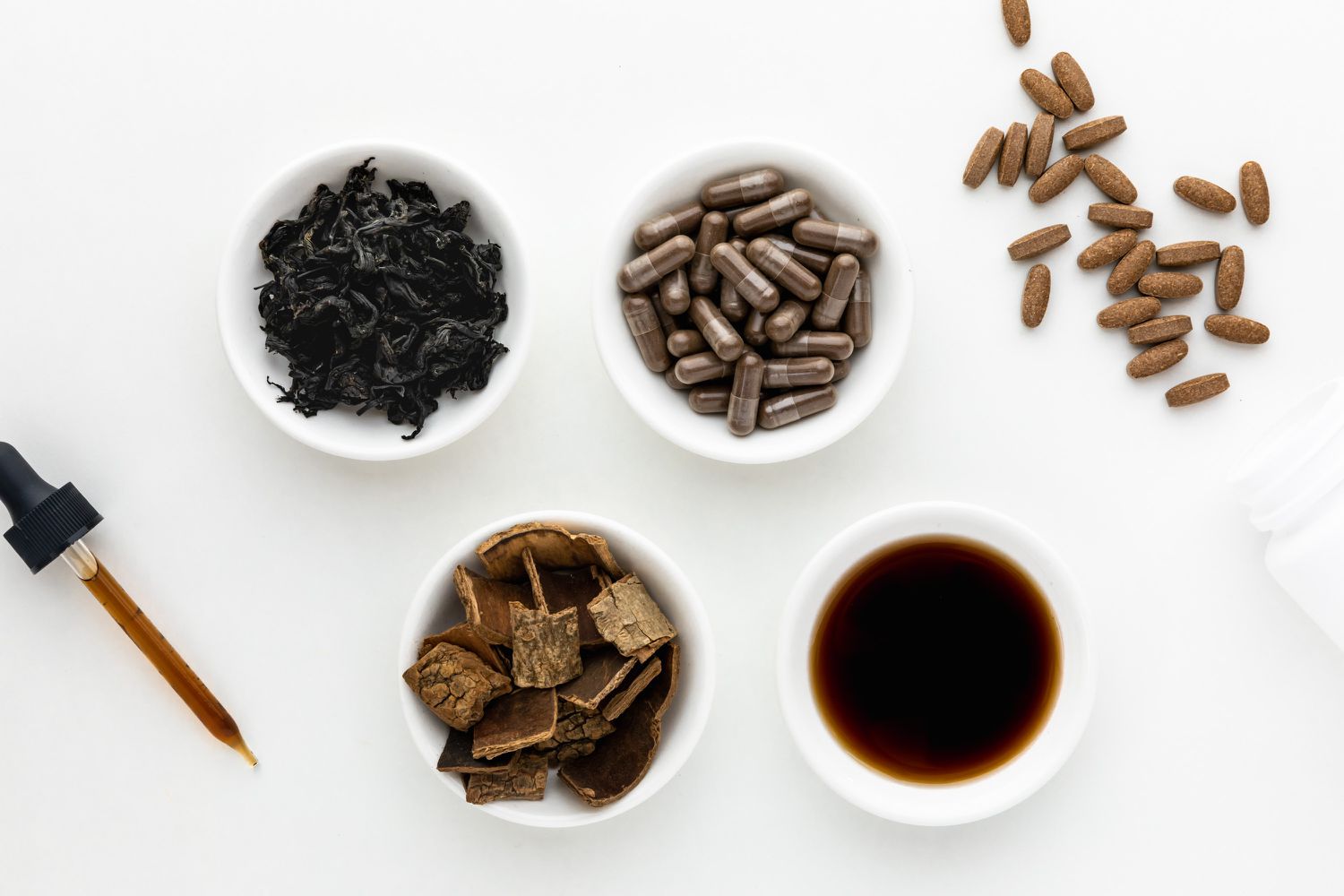
In addition to capsules, eucommia is sold in extract, tea, and dry forms.
These products may contain extracts from the leaf, stem, bark, and flower of the plant. You may want to seek options that are predominantly or solely made from the bark, as most of the research on this herb focuses on that component.
Eucommia also comes as a tea made from the leaves and bark of the eucommia tree. Eucommia tea tastes slightly bitter and sweet and is commonly served with milk and sugar—steep loose herbs or teabags in hot water for two to four minutes.
In the United States, the Food and Drug Administration (FDA) does not regulate supplements the way it regulates prescription drugs. That means some supplement products may not contain what the label says. When choosing a supplement, look for independently tested products and consult a healthcare provider, registered dietitian nutritionist (RD or RDN), or pharmacist.