

:max_bytes(150000):strip_icc():format(jpeg)/mouth-and-throat-care-after-surgery-3156877-FINAL-01ffe771ef1d49d5a59be53f945f8731.png)
Key Takeaways
- Drink lots of fluids and apply lip balm to help with dry mouth and lips after surgery.
- Use a humidifier to add moisture to the air, which can help with a dry mouth after surgery.
- Rest your vocal cords by avoiding speaking too much and drinking tea with honey to soothe your throat.
A dry mouth (xerostomia) and sore throat after surgery are common symptoms. You may also have a hoarse voice or bad breath. This can be caused by the type of surgery you have or the use of a breathing tube during surgery.
The severity of symptoms can differ depending on the cause. There are many simple ways to ease your discomfort (like lozenge use) so you can focus on healing. But you can experience complications that require antibiotics, other medications, or even surgery to repair damage.
This article explores common mouth and throat problems that may occur after surgery. It will also cover treatment options and when to reach out to your healthcare provider.
Illustration by Gary Ferster for Verywell Health
Causes of Post-op Oral Health Issues
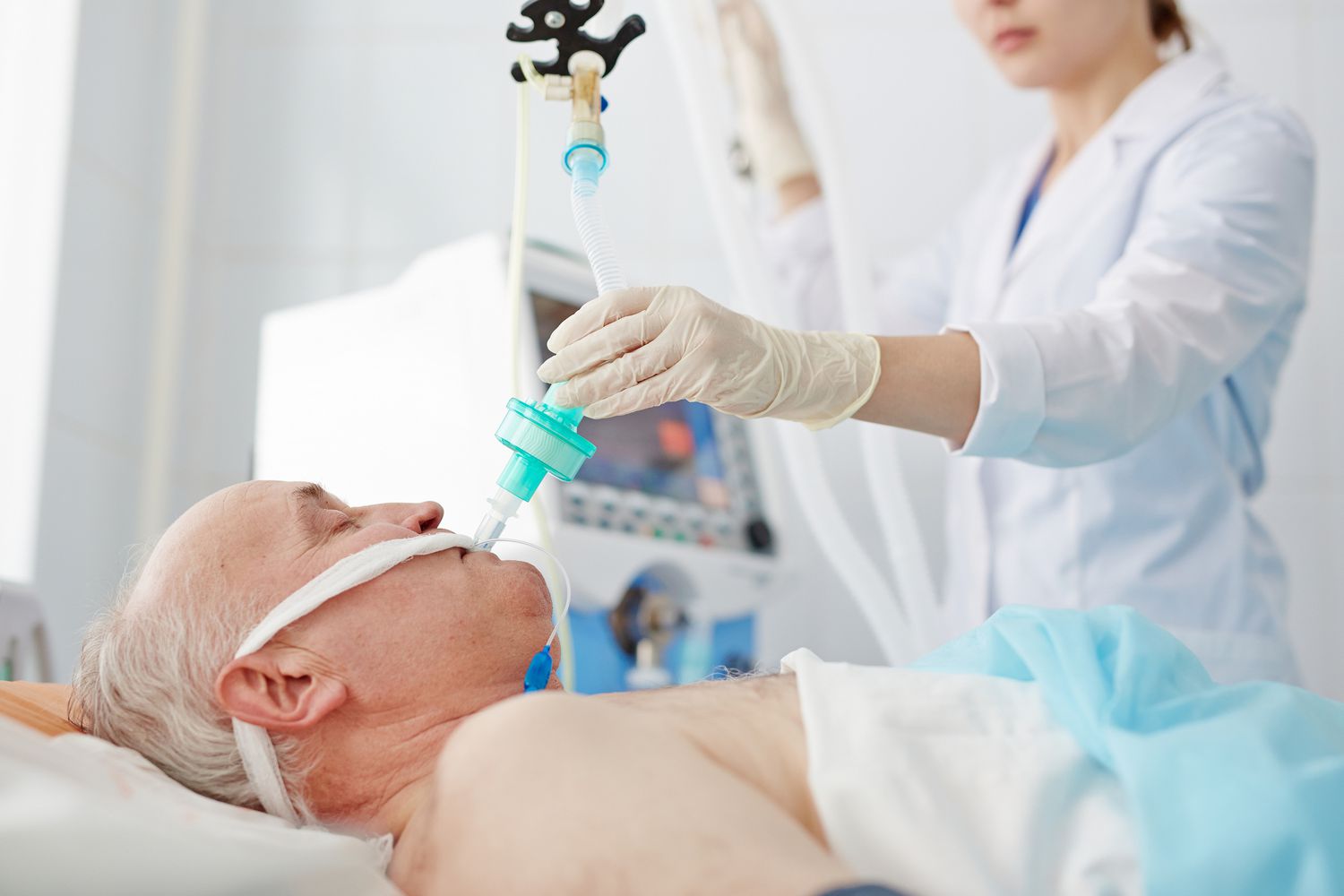
Postoperative sore throat (POST) symptoms may result from surgeries that involve the mouth, nose, and throat. Any surgery that requires intubation, which is when a tube is placed in the mouth and down the airway to secure breathing, can also lead to mouth and throat discomfort.
This occurs due to:
- Edema (swelling) in the airway
- Dehydration
- Friction with the breathing tube causing damage to the mouth tissues
- Pressure from the tube cuff damaging the trachea , which connects the nose and mouth to the lungs
Intubation may be needed in surgeries such as emergency, cosmetic, heart, or lung procedures. Longer surgeries may increase the risk of POST and related dry mouth symptoms.
Managing a Sort Throat After Surgery
POST can cause a hoarse voice and difficulty swallowing, also known as dysphagia. It usually occurs after surgeries requiring anesthesia and intubation.
Procedures like thyroid removal or certain spinal surgeries may risk injuring the recurrent laryngeal nerve. This can lead to complications such as vocal fold paralysis. Sometimes, the vocal cords may suddenly close, a condition called laryngospasm, affecting the voice box and breathing.
Most common symptoms like dry mouth, cough, throat pain, and thirst improve within three to five days. You can manage symptoms with home remedies during recovery.
Prevalence of Postoperative Sore Throat
A sore throat is a very common issue after surgery, with studies reporting as many as 60% to 80% of people experience postoperative sore throat (POST). It usually passes within a few days but if it doesn’t improve, reach out to your healthcare provider. They can rule out if you have an infection, such as strep throat.
Treating a Sore Throat After Surgery
Good oral care is an important first step in easing discomfort.
- If you are on a ventilator, a machine that helps with breathing, mouth care may be done every two hours by the medical staff. This can help reduce ventilator acquired pneumonia, which is a potentially deadly infection.
- If you’re not on a ventilator, brush your teeth and tongue twice a day to help with dry mouth and lips, as well as bad breath.
Glucocorticoid drugs and nonsteroidal anti-inflammatory drugs (NSAIDs) can be used to relieve pain and reduce inflammation. Talk with your healthcare provider about medications for POST. They may recommend:
- Cough drops with benzocaine or menthol in them to help numb the throat and reduce pain
- Throat spray, such as Chloraseptic, to coat the throat and minimize irritation
Gargling with saltwater also can help to relieve soreness or irritation. Also, consider herbal products like arnica, although more research is needed to confirm its benefits.
Managing a Dry Mouth and Lips After Surgery
It’s common for people to experience cracked, dry lips and a dry mouth due to intubation. It’s important to stay hydrated during the first few days after a procedure, as well as try other remedies.
Treating Dry Mouth After Surgery
A humidifier, a device that adds moisture to the air, can help with dry mouth post-surgery. You may also want to avoid alcohol, tobacco, and caffeine as they can make your mouth more dry.
If your lips are very dry or scaly feeling, gently scrub them with a moist washcloth. This will remove any dead skin.
Apply a generous amount of lip balm or petroleum jelly to help soften lips. Frequent reapplication, along with drinking lots of fluids, will help your lips to feel better.
Managing Bad Breath After Surgery
Saliva helps minimize bacteria in your mouth. When your mouth is dry for a long time, like during surgery, bacteria can multiply rapidly and cause bad breath.
Treating Bad Breath After Surgery
Some drugs used after surgery, like pain medications, also contribute to bad breath, as they dry out the mouth.
To help with bad breath:
- Brush your teeth thoroughly.
- Gargle with mouthwash to reduce bacteria in your mouth and throat.
- Rinse your mouth frequently with water.
Talk with your healthcare provider about the use of sugar-free gum (look for the ingredient xylitol) or other products to help keep your mouth tissues moist.
Managing Hoarseness After Surgery
Intubation can lead to vocal cord injuries, which may impact your voice. Most people will see their symptoms resolve in a few days, but others may experience complications that require treatment with antibiotics to prevent infection or even surgical repair.
See your healthcare provider if your hoarseness:
- Doesn’t get better
- Worsens over the days following surgery
- Turns into the complete loss of your voice
Drinking hot tea, or tea with honey also may soothe your vocal cords.
Treating Hoarseness After Surgery
Many people benefit from the use of lozenges or soothing foods like popsicles, but it’s also important to rest your vocal cords. You also can avoid foods that are difficult to swallow, or that are acidic, like citrus fruits and tomatoes.
Humidity in the air can help, especially if you live in a dry environment. Try to avoid smoke and other irritants.
Preventing POST Symptoms
Talk with your healthcare provider about medications you can use before the surgery, too. Some options to help limit symptoms of POST can include lidocaine administration, topical steroids, and lozenges made with the NSAID flurbiprofen.
Complications
Some people will experience complications after intubation and surgery. They include:
- Vocal fold injury, a common occurrence in both adults and children (premature babies especially)
- Dysphagia and aspiration (inhaling gastric and foreign matter into lungs, which can lead to pneumonia)
- Laryngospasm
- Laryngeal nerve injury
It’s also possible for small cuts or wounds to appear in the mouth or throat tissue due to the instruments used during intubation. This can cause pain or even lead to infection.
After intubation, it typically takes a few hours to days for your throat to heal. In complicated cases, it can take several weeks.